
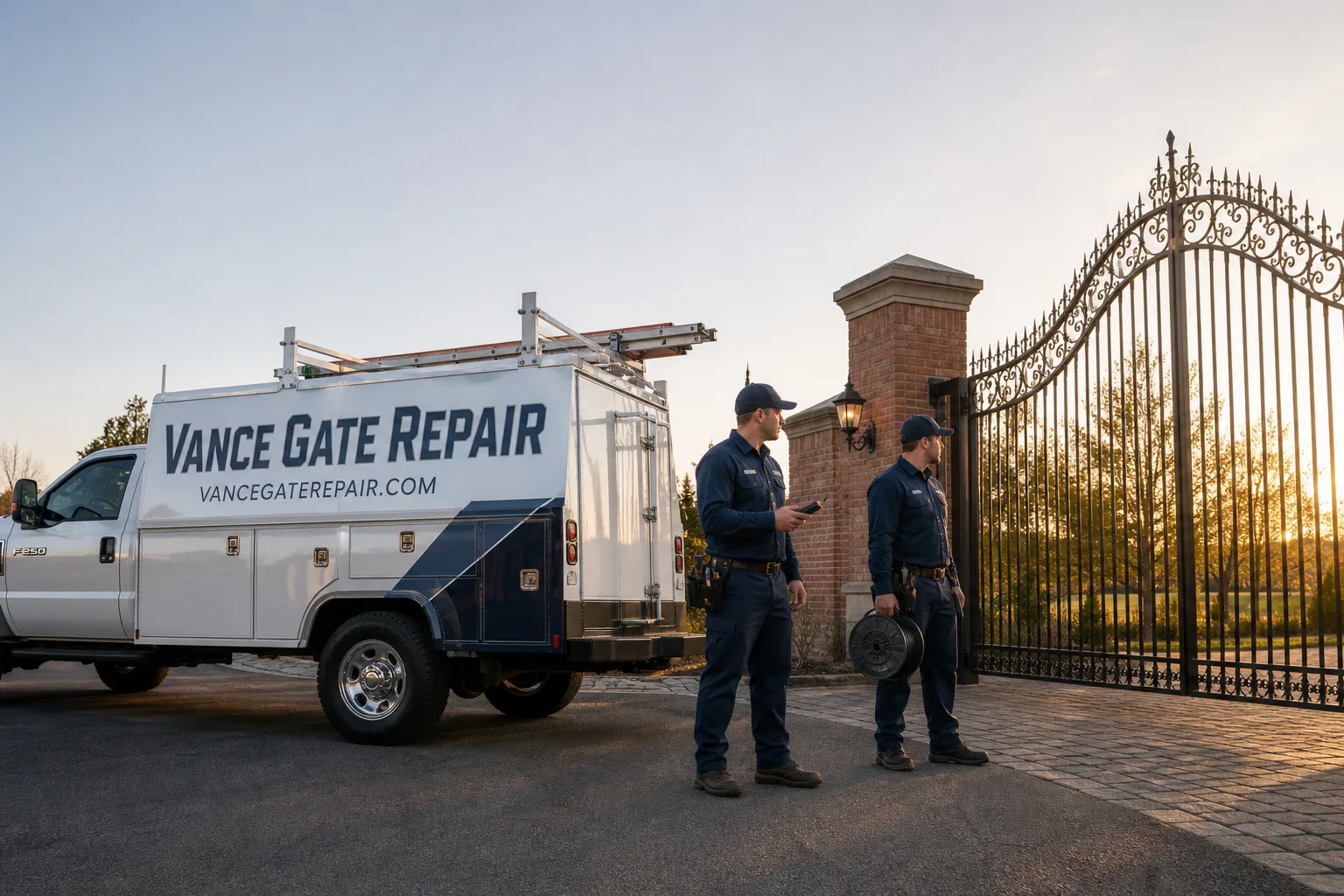
Free on-site gate assessment - hinges, posts, and your LiftMaster or Nice gate operator checked before anything is quoted
The assessment is free and the quote is the invoice.

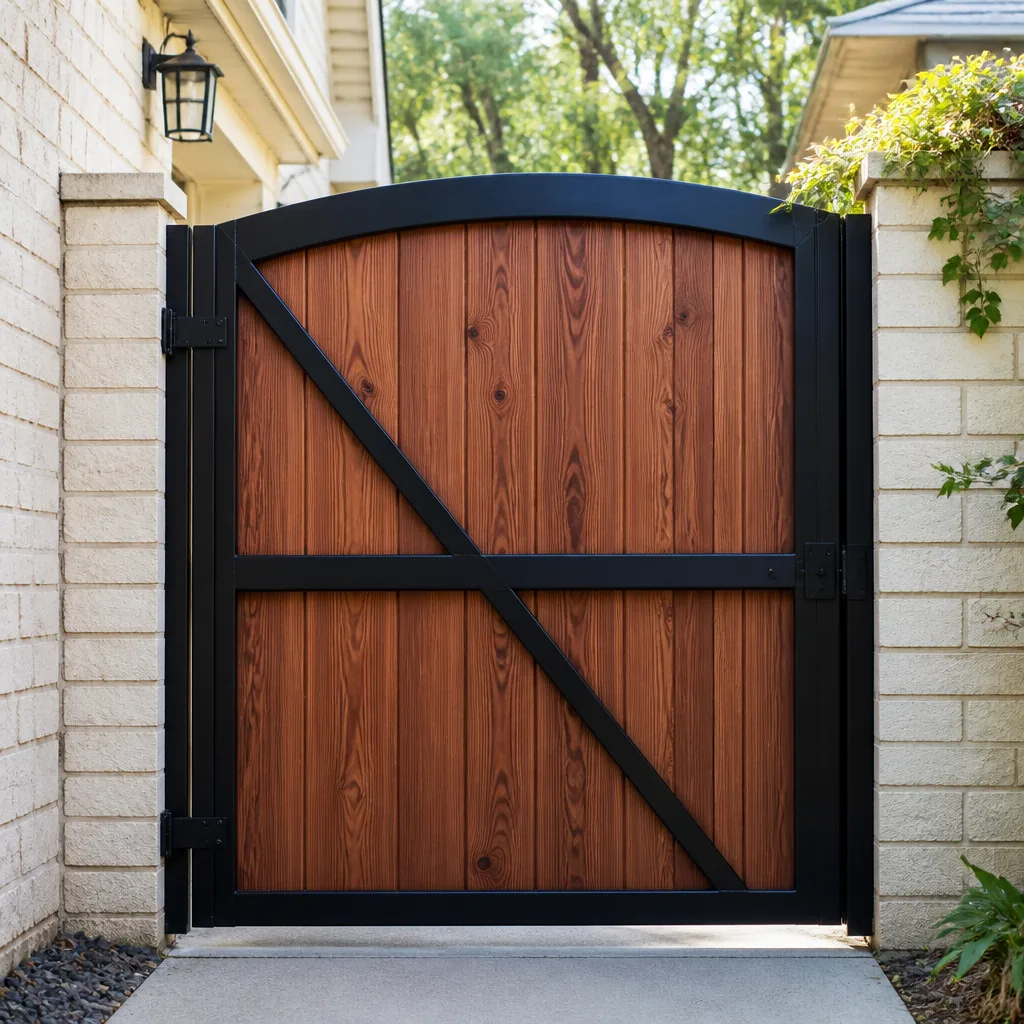
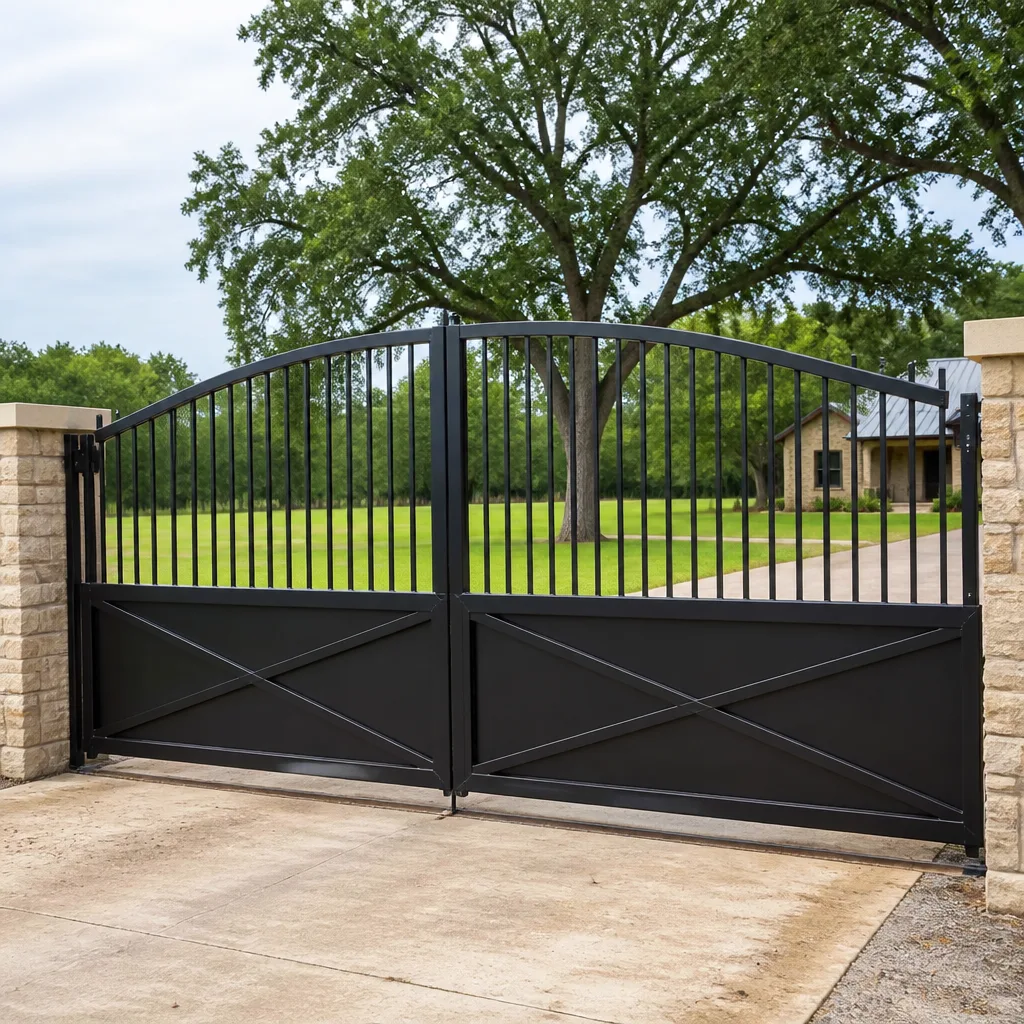
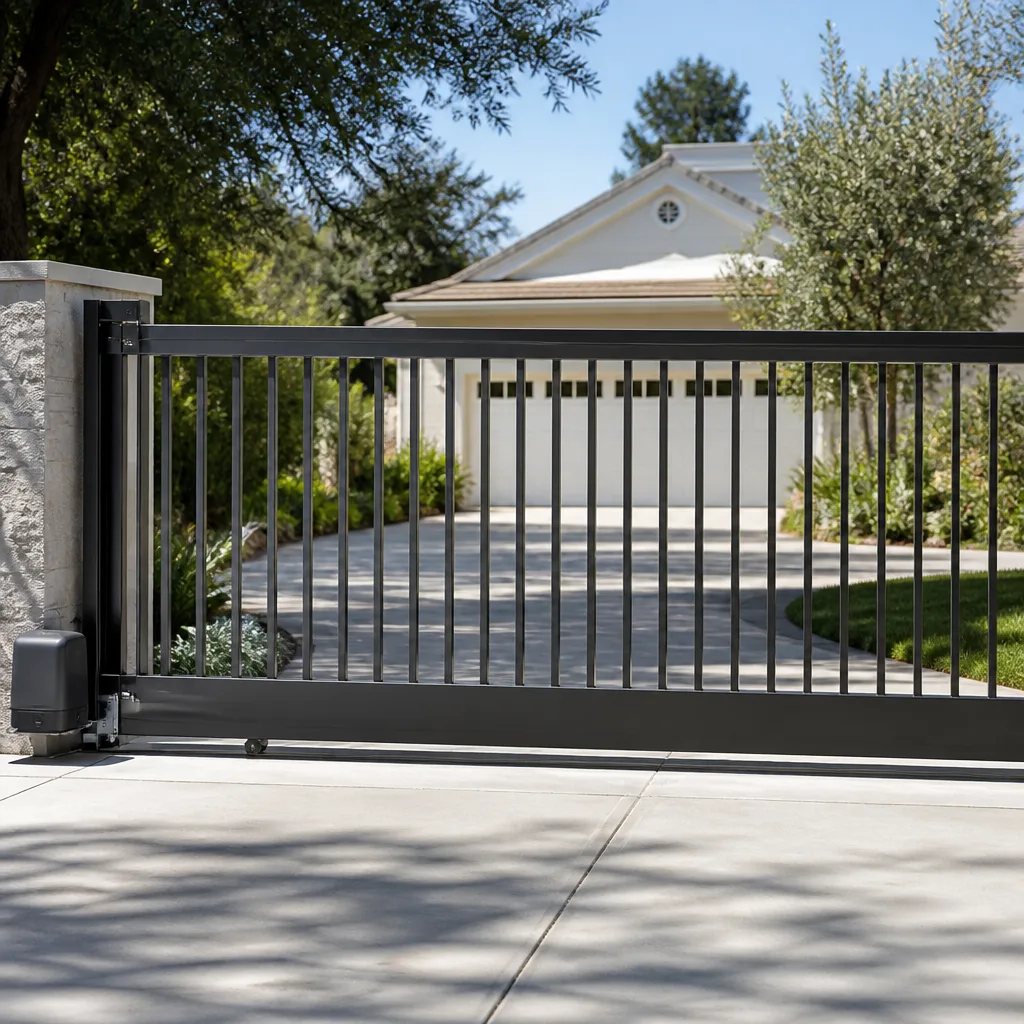
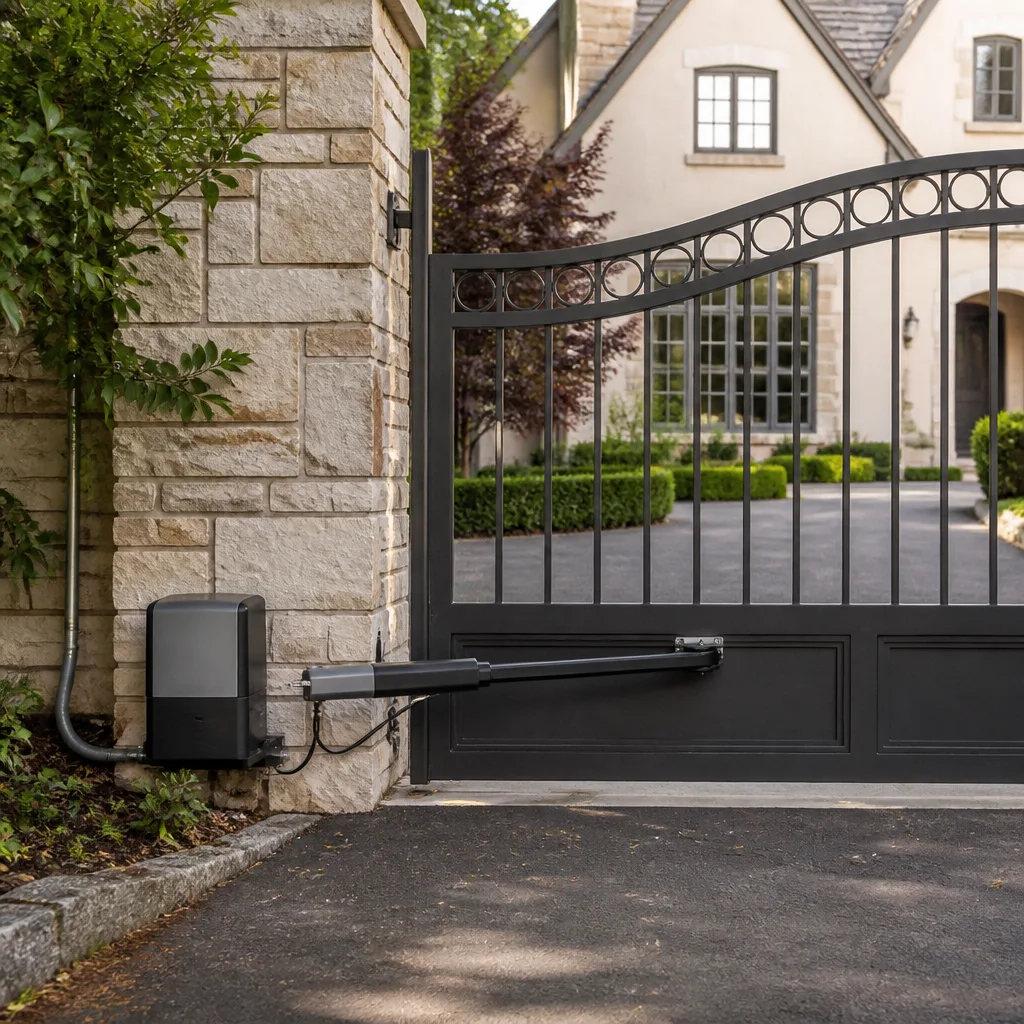
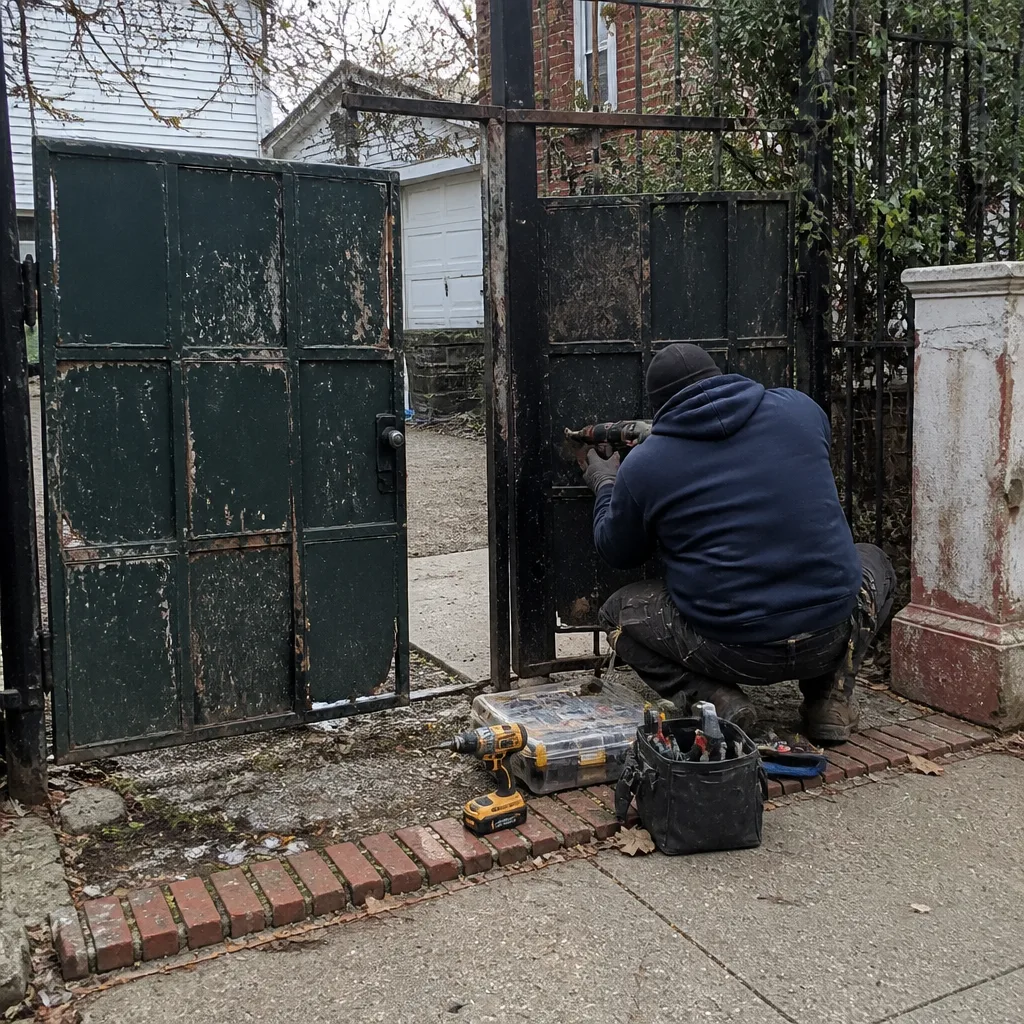 Before
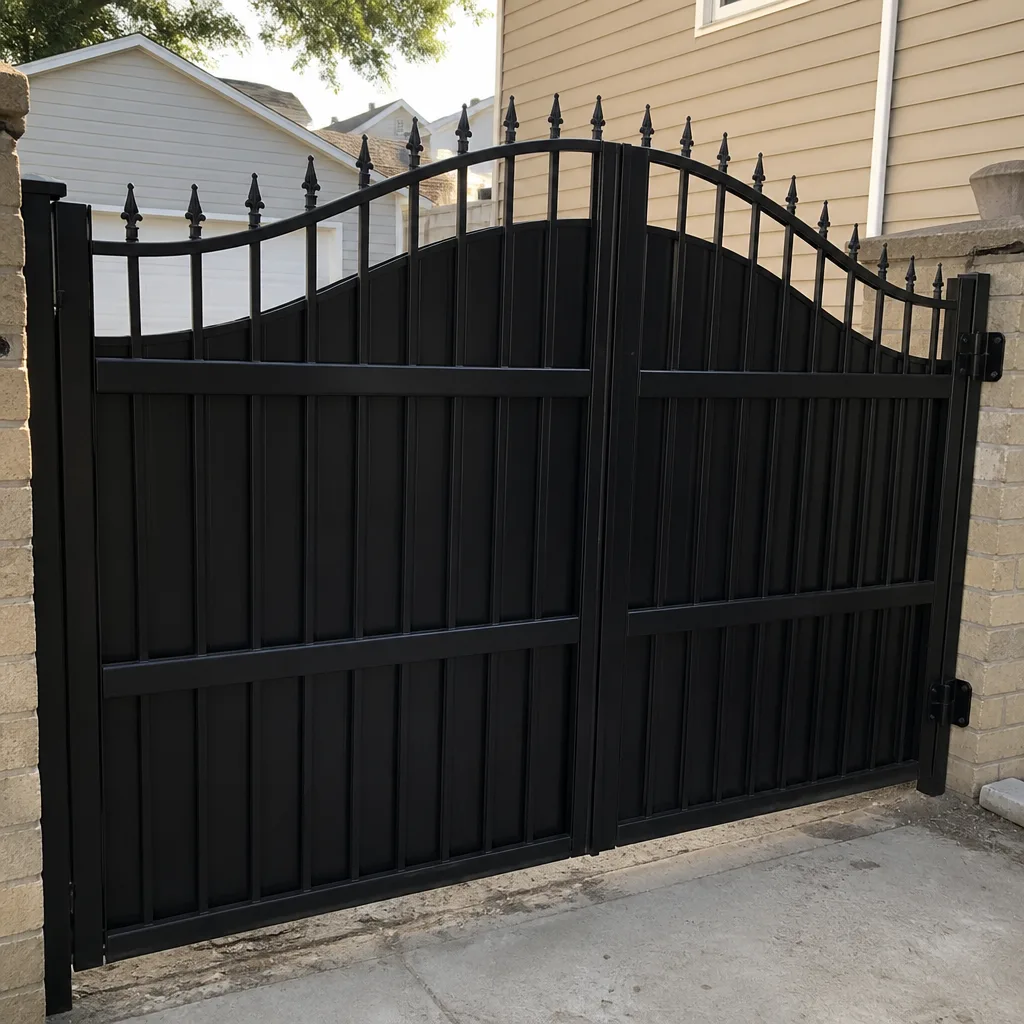 After
After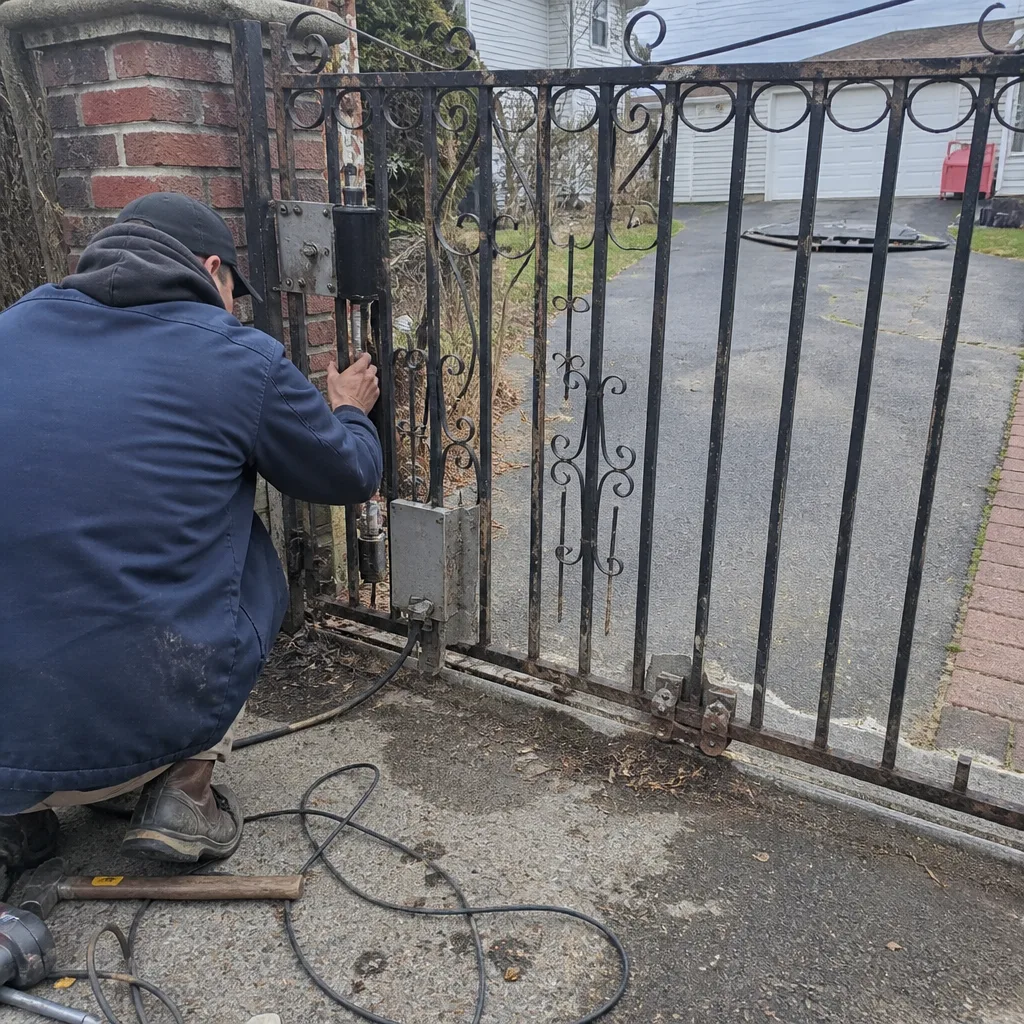 Before
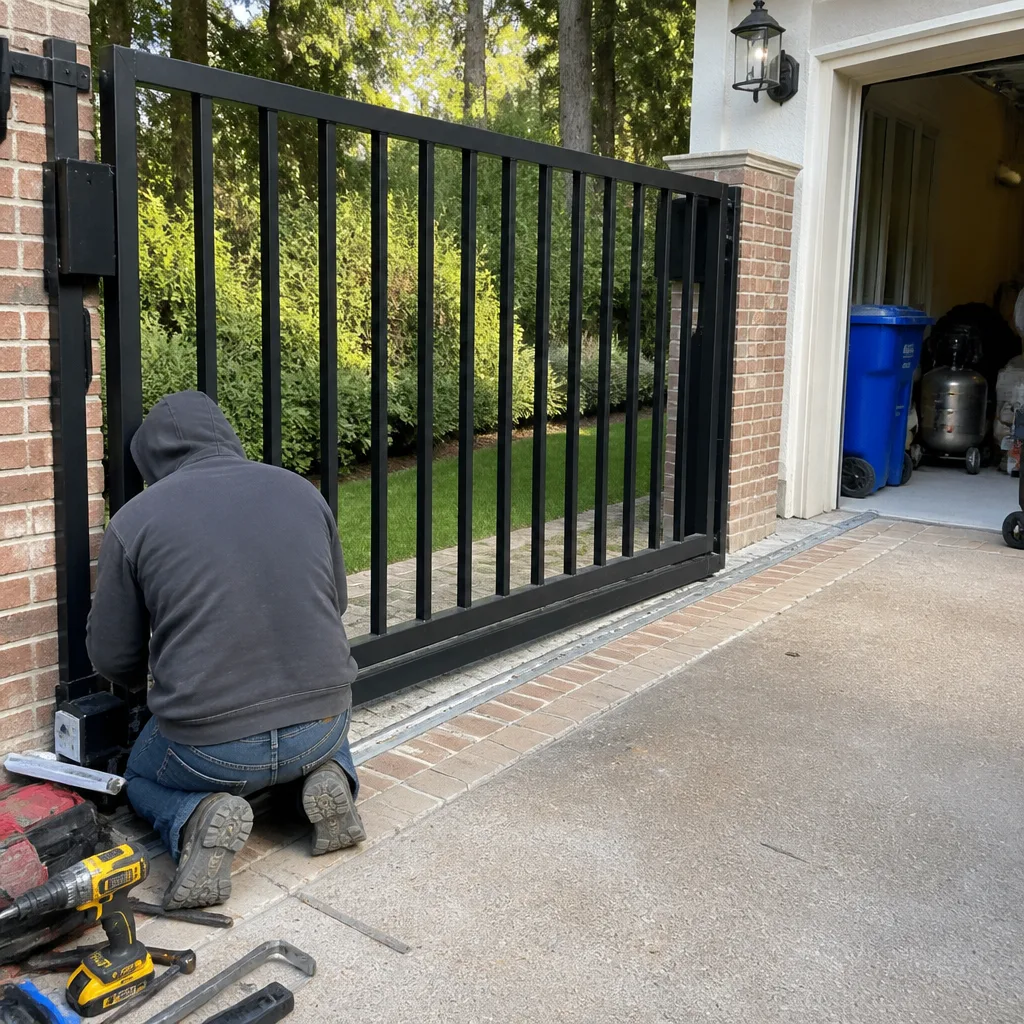 After
After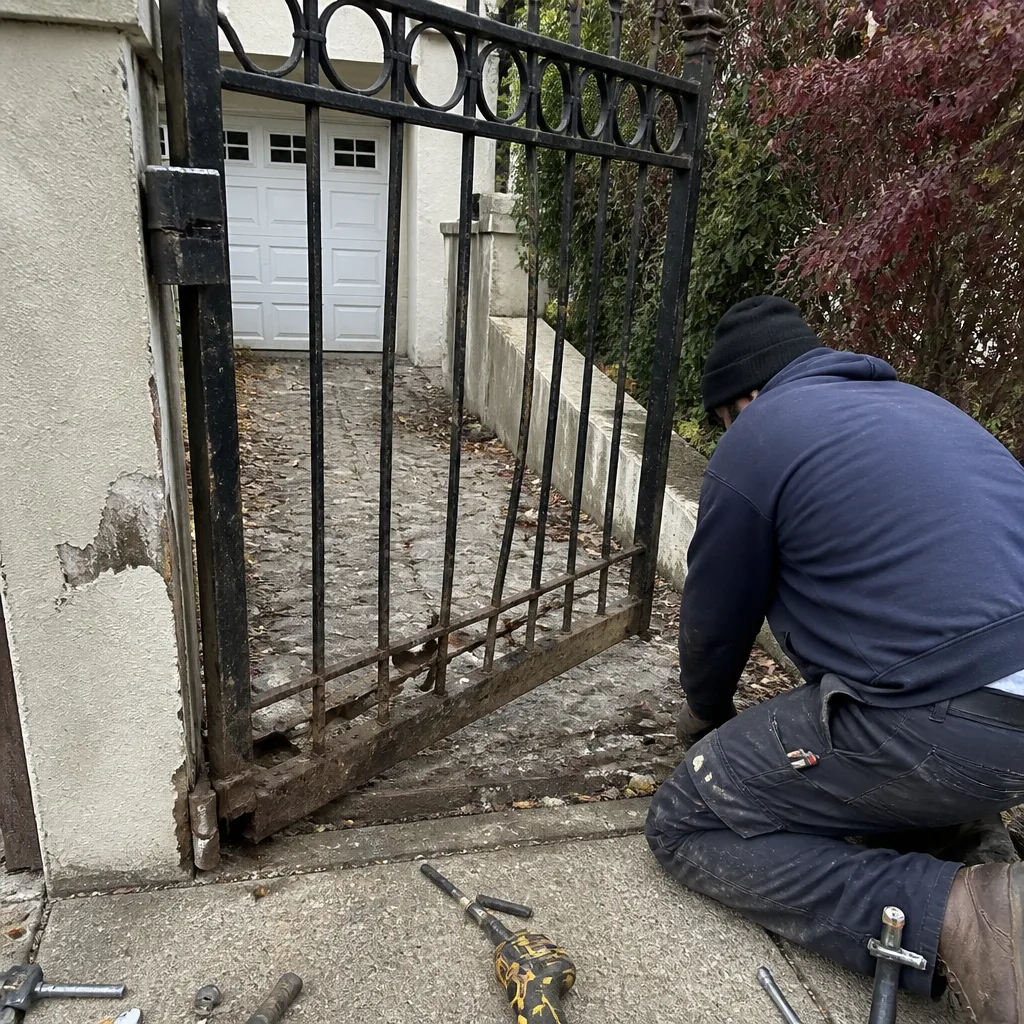 Before
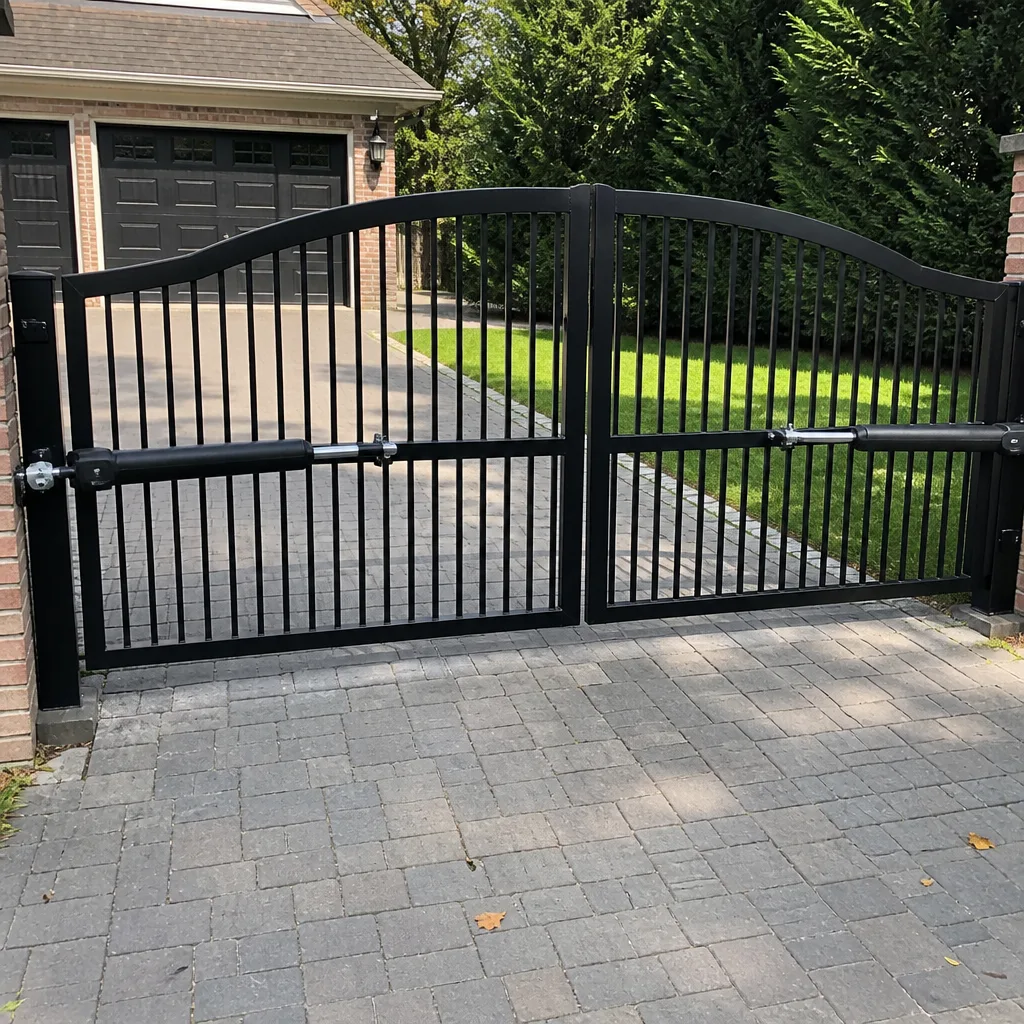 After
AfterGate Opener Not Responding
What’s Happening
A gate opener that won’t respond to the remote, keypad, or app is almost always caused by one of four things: a dead or missing power supply, a failed control board, a receiver that can no longer pick up the signal, or a safety sensor that has tripped and locked the motor out. In most cases the gate itself is fine – the problem is electrical, not mechanical.
That distinction matters because it changes what gets repaired and what it costs. A lot of homeowners assume the motor has burned out and brace for a full replacement. That’s the exception, not the rule. What we find on most no-response calls is something upstream of the motor – a tripped breaker, a corroded wire connection, a receiver antenna that has worked loose, or a board that has lost its programming. None of those require swapping the entire operator. A technician can usually isolate the fault within the first few minutes on site, tell you exactly what failed, and give you a written price for the fix before touching anything.
Why It Happens
1. Power has been interrupted or lost
Gate operators run on low-voltage DC power stepped down from a standard circuit. If the transformer, breaker, or DC power supply fails, the board goes dark and nothing responds – remote, keypad, or app. You can check whether power is the culprit by looking at the operator’s indicator light or display: no light at all, and power is almost certainly gone. Check the breaker that feeds the gate circuit before anything else.
2. The control board has failed
The control board is the brain of the operator. It receives the signal, interprets it, and tells the motor to move. Boards fail from power surges, water intrusion, and age – and when they go, the unit goes completely silent. The tell is that the operator light may be on (power is present) but pressing any button produces nothing: no relay click, no motor hum, no beep. That silence, with power confirmed, points directly at the board.
3. The receiver or remote frequency has a problem
The remote communicates with the operator through a radio receiver mounted inside or near the motor housing. Receivers fail, antennas detach, and remotes lose their pairing over time – especially after a battery swap or a power outage that wiped the board’s memory. If the wall-mounted keypad works but the remote doesn’t, or if neither works but the manual release moves the gate freely, the receiver or the remote’s programmed code is the likely fault. This is one of the more straightforward fixes but also one of the most frequently misdiagnosed ones.
4. A safety device has locked the system out
Modern operators – LiftMaster, FAAC, BFT, Viking, and others – stop responding when a safety input trips. Photo eyes that are misaligned or dirty, obstruction sensors that detected something, or a loop detector that’s reading incorrectly will all put the controller into a locked-out state that looks identical to a dead board from the outside. Most boards signal the fault through a blink code on the LED. If you see a light flashing in a repeating pattern, count the blinks – your operator’s manual will translate that code, and it’s useful information to have ready when you call.
What to Do Right Now
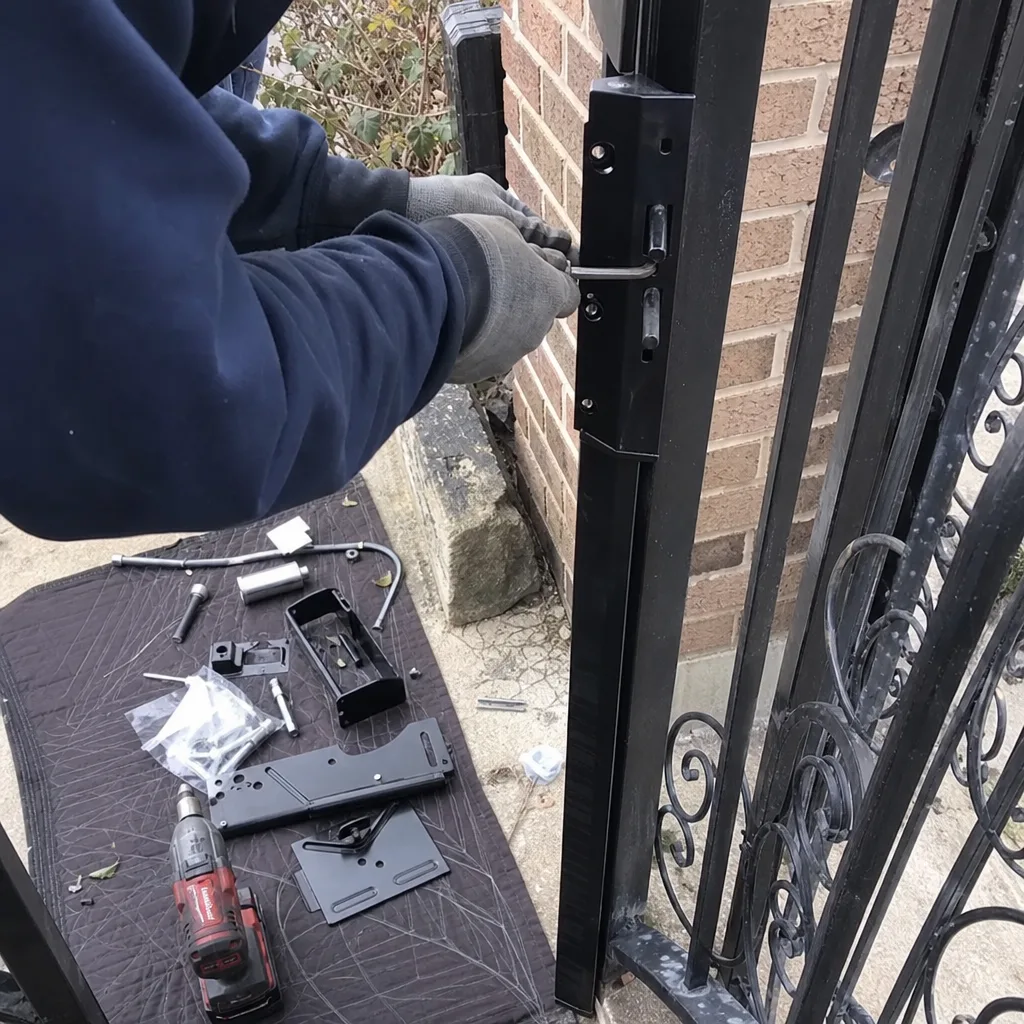
- Check the breaker first. Find the circuit breaker that feeds your gate operator and confirm it hasn’t tripped. Reset it once if it has, then watch to see whether it holds. If it trips again immediately, stop – a breaker that won’t hold points to a wiring fault that needs a technician, not a second reset.
- Look at the operator’s indicator light. No light means no power. A steady light with no response to commands suggests a board or receiver issue. A blinking light is a fault code – count the blinks and note the number before you call.
- Don’t force the gate manually if you’re not sure how. Most operators have a release lever that disengages the motor so the gate can swing or slide by hand. If you’ve done this before, it’s fine to use it so you can get in or out. If you haven’t, don’t improvise – forcing a gate with a broken chain or a failing operator can damage the track or the arm in ways that turn a simple repair into a larger one.
- Photograph what you see. Take a picture of the operator box, the indicator light (or lack of one), the control board if it’s accessible, and anything that looks corroded, melted, or physically broken. This gives the technician a head start and it gives you a record of the condition before anyone touched it – which is exactly the kind of documentation we bring on every visit ourselves.
- Do not probe the wiring or the control board yourself. Gate operator boards carry low voltage in normal operation, but the power supply transformer and any 120V input wiring carry line voltage that can cause serious injury. If you see burned insulation, melted connectors, or water inside the operator housing, close the panel and call. This is not the place for trial and error.
BeforeAfterHow We Fix It
When your local Vance Gate Repair technician arrives, the first thing they do is a structured fault sequence: confirm power at the transformer, check the board’s fault codes, test the receiver signal, and inspect the safety inputs one by one. That process is the same one Adrian Vance developed on commercial access-control sites starting in 2014, and it’s why we find the actual fault instead of guessing at parts.
Once the fault is isolated, you get a written price for the repair – flat, specific, covering parts and labor – before any work starts. That’s Haven Standard Clause 1, and it applies to every job we take. Most no-response calls are resolved under our Gate Motor and Opener service, though if a sensor, wiring harness, or mechanical component is also involved, that’s handled under Gate Repair in the same visit.
The repair itself typically takes one to two hours on site. When the technician leaves, you get a photographed record of what was found, what was replaced, and what was set – the same documented handoff we do on every job. And the completed work is covered by our 365-Day Done Right Promise: if it’s not right, we come back and make it right, no argument and no additional charge within that window.
Frequently Asked Questions
It depends on where the gate is sitting and how it’s failing. A gate stuck open on a property with children, pets, or valuable vehicles is a real security and safety concern – that’s not something to leave for a few days. A gate stuck closed is less urgent but leaves you without reliable access. If the operator is showing signs of electrical damage – burning smell, visible scorching, a breaker that keeps tripping – stop using it entirely and call right away. For anything that feels urgent, reach us at (928) 260-0864, day or night – a live person answers every call.
In most cases, yes. A non-responding opener is a repair call, not a scheduled installation, and your local Vance Gate Repair team keeps availability for calls like this. Call (928) 260-0864 and tell us what you’re seeing – the person who answers can confirm timing and give you a tech’s name and photo before they arrive.
Not entirely. Fresh batteries confirm the remote has power, but the remote could still have lost its pairing with the receiver – which happens after a power outage clears the board’s memory, or after someone accidentally wiped the codes. If a wall keypad or app still works but the remote doesn’t, that’s the diagnostic clue. A technician can reprogram or replace the remote in minutes, and it’s one of the lower-cost outcomes on a no-response call.
Yes, always. The written price is handed to you before any work begins – that’s Haven Standard Clause 1, and it’s not optional on any job we take. If the repair turns out to need something additional that wasn’t visible at the start, we stop, tell you, and get your sign-off on a revised price before we continue. No surprise invoice at the end.
Get It Fixed
Call (928) 260-0864 – a live person answers 24 hours a day, seven days a week – or book online. Your local Vance Gate Repair team will confirm the visit, send you the technician’s name and photo ahead of time, and arrive with a written price ready before any work starts.
Written by Adrian Vance, Owner at Vance Gate Repair, serving communities nationwide since 2014.
What Our Customers Say
"Gate had been dragging for a year. They photographed the bent hinge post, explained why the operator kept faulting, and gave me a fixed price to correct both."
- Terrence B."They installed the opener and left me a diagram of the wiring and the limit settings. When I needed a second remote programmed I could do it myself."
- Nadine C."The safety loop had never been installed correctly by the previous company. They showed me the reading, fixed it, and did not charge me for the diagnosis."
- Patrick H.