
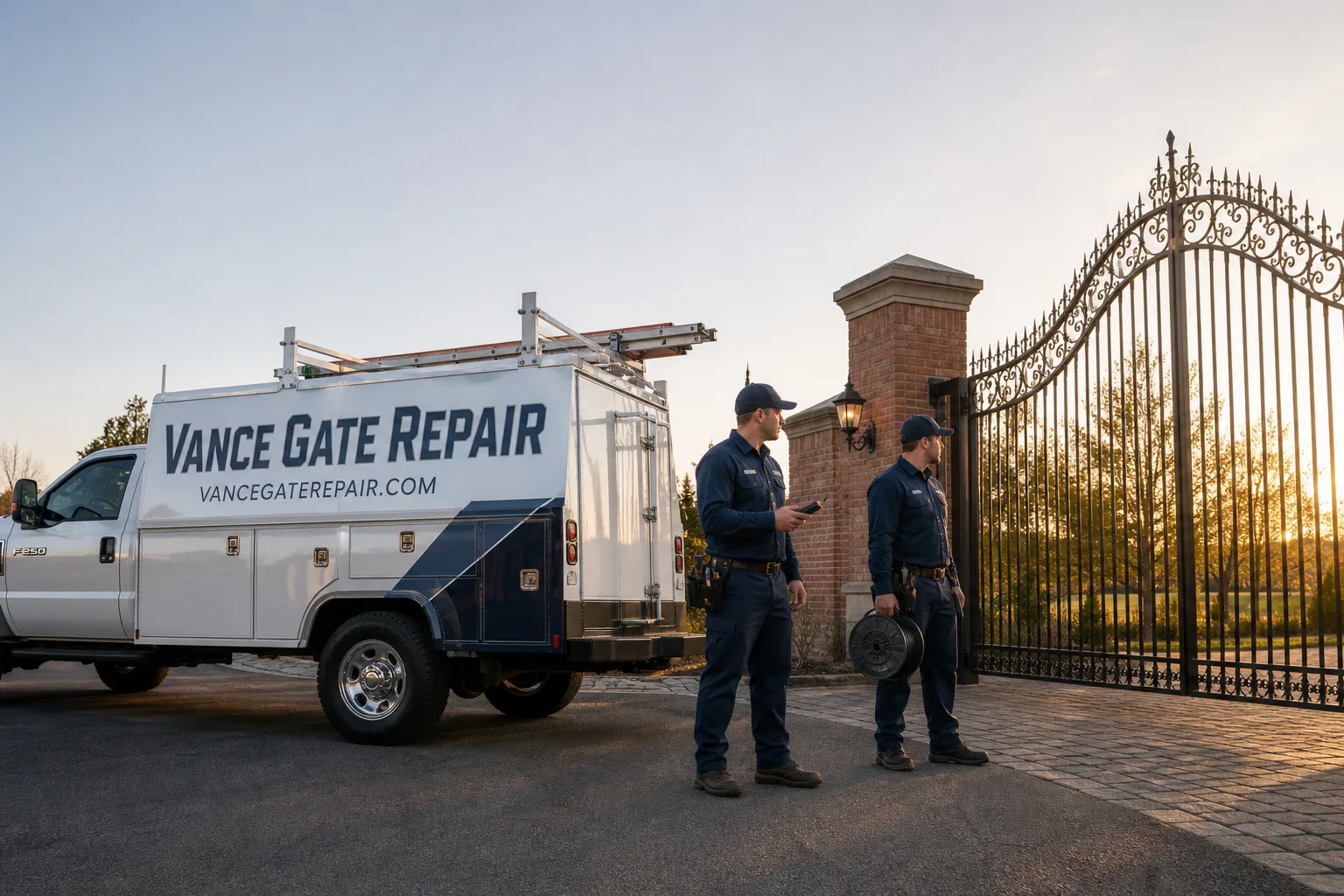
Free on-site gate assessment - hinges, posts, and your LiftMaster or Nice gate operator checked before anything is quoted
The assessment is free and the quote is the invoice.
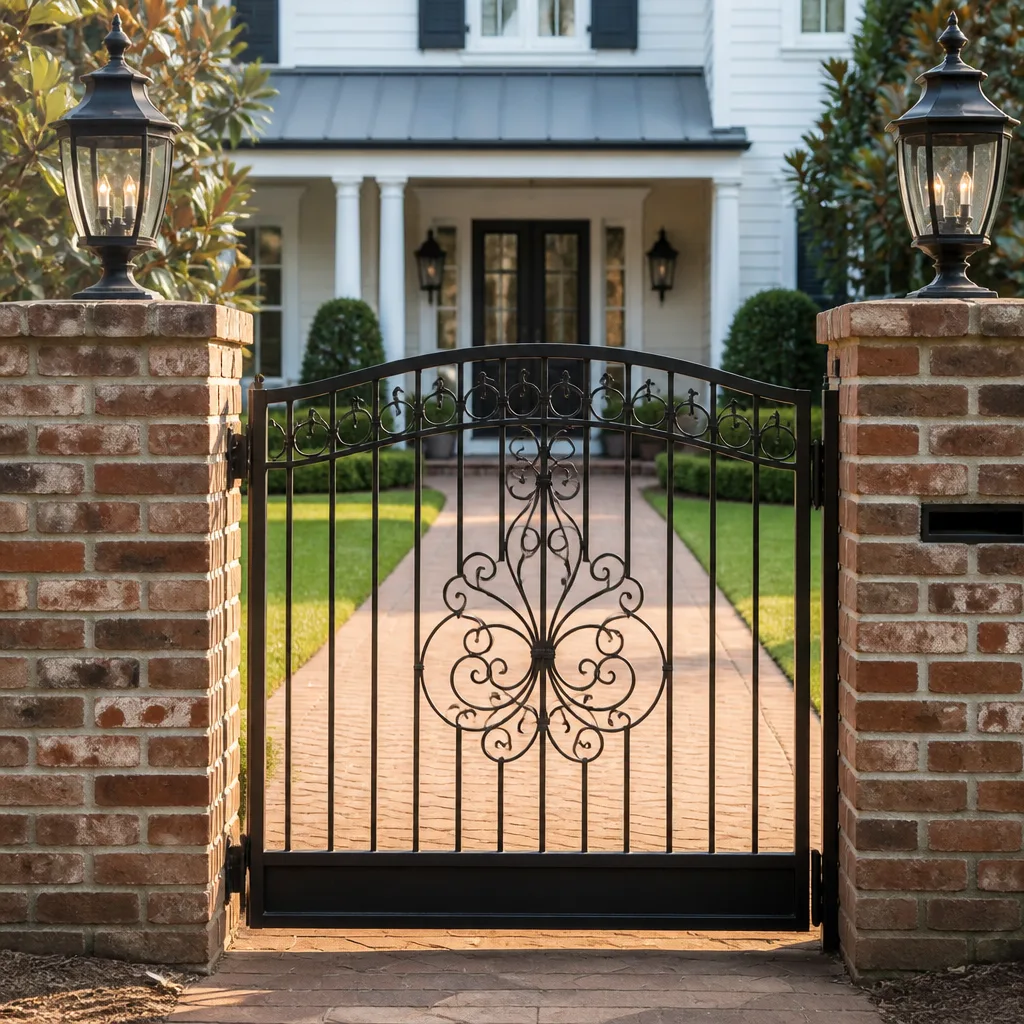
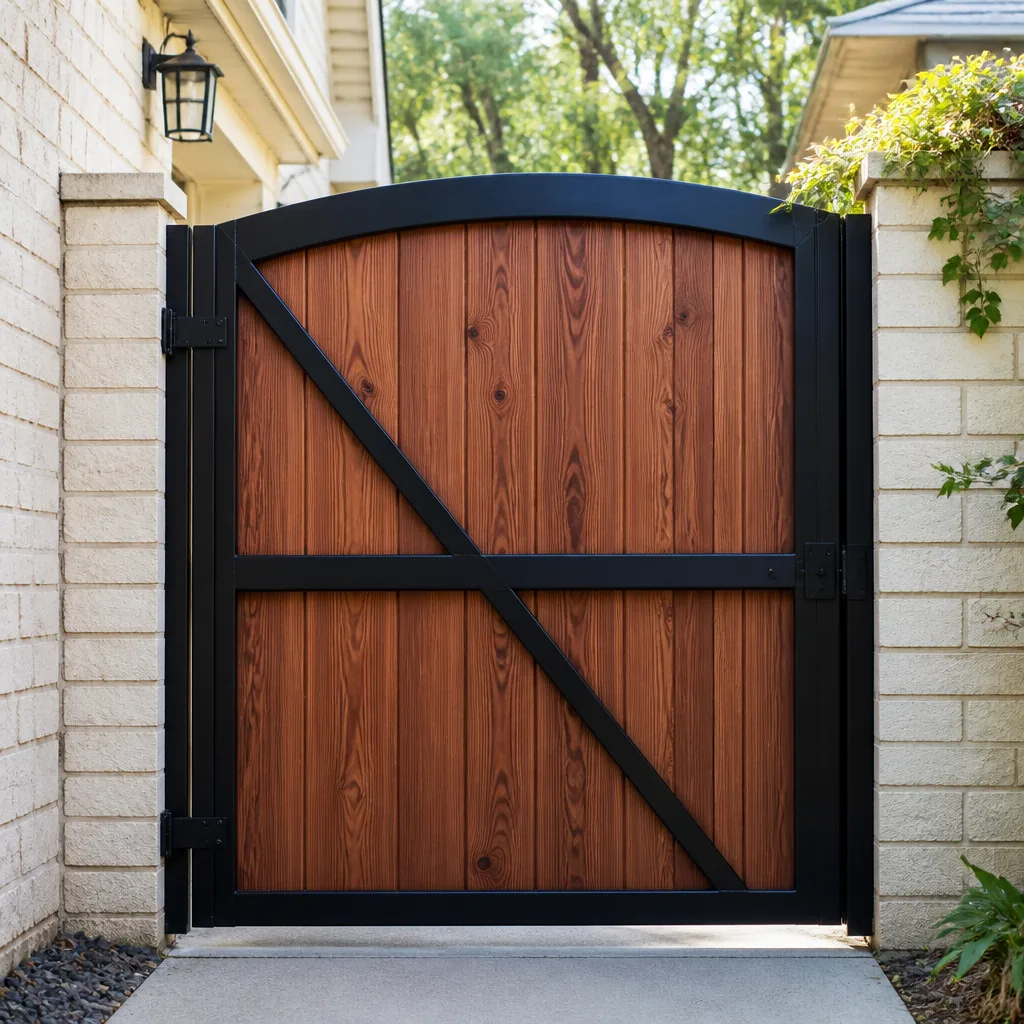
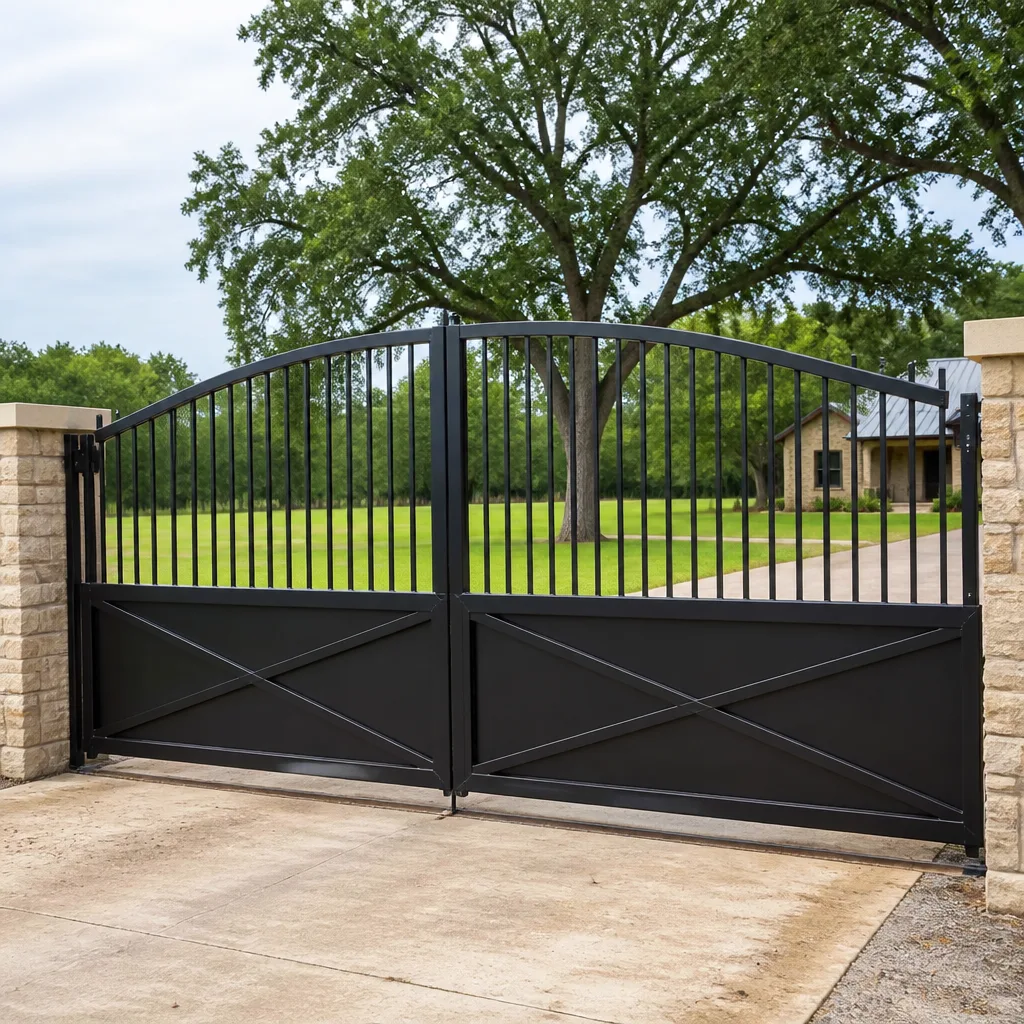
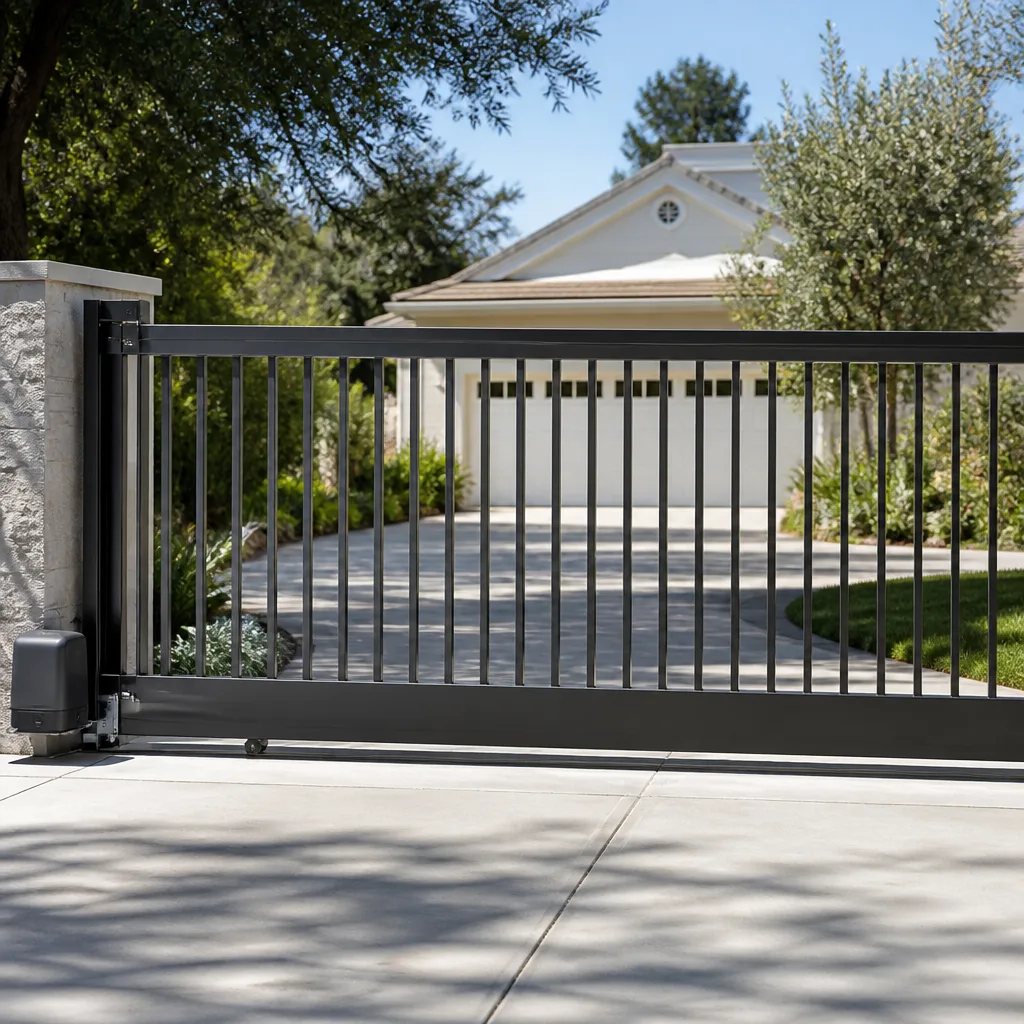
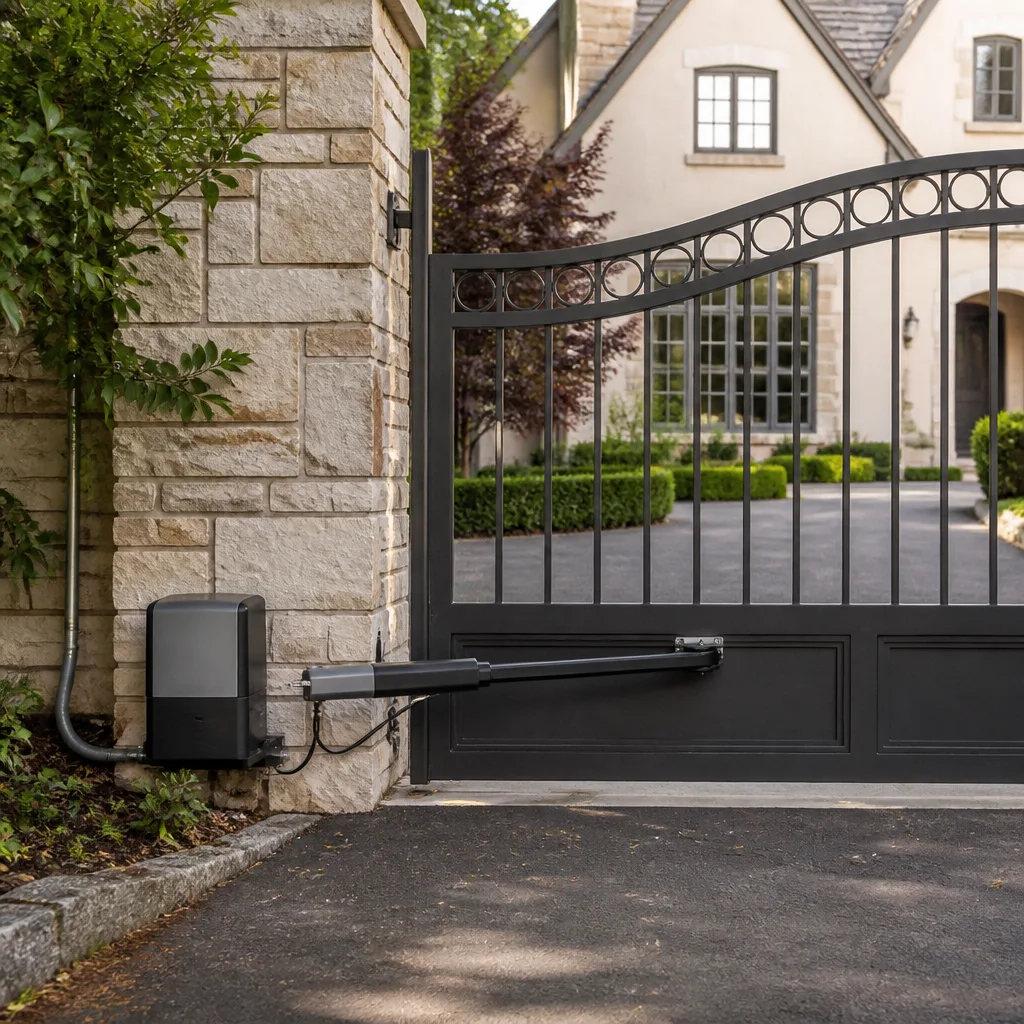
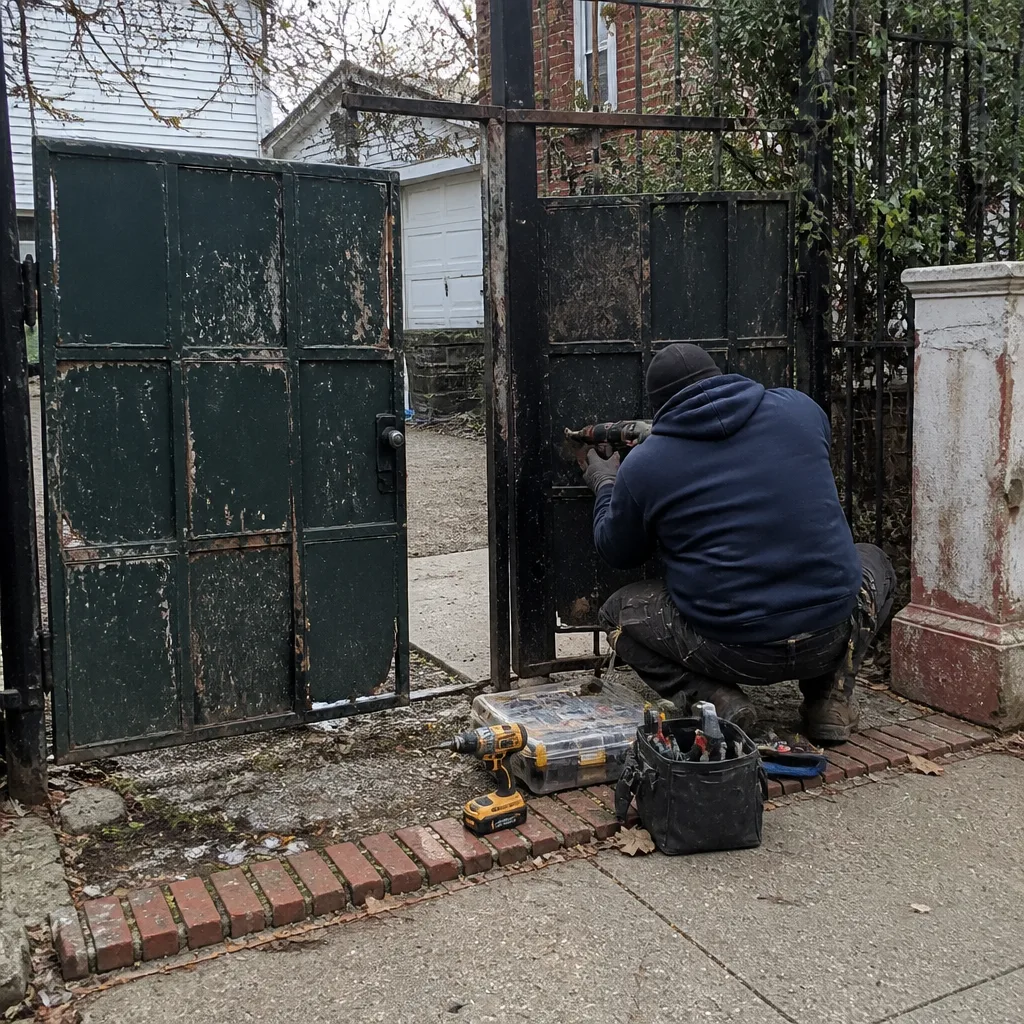 Before
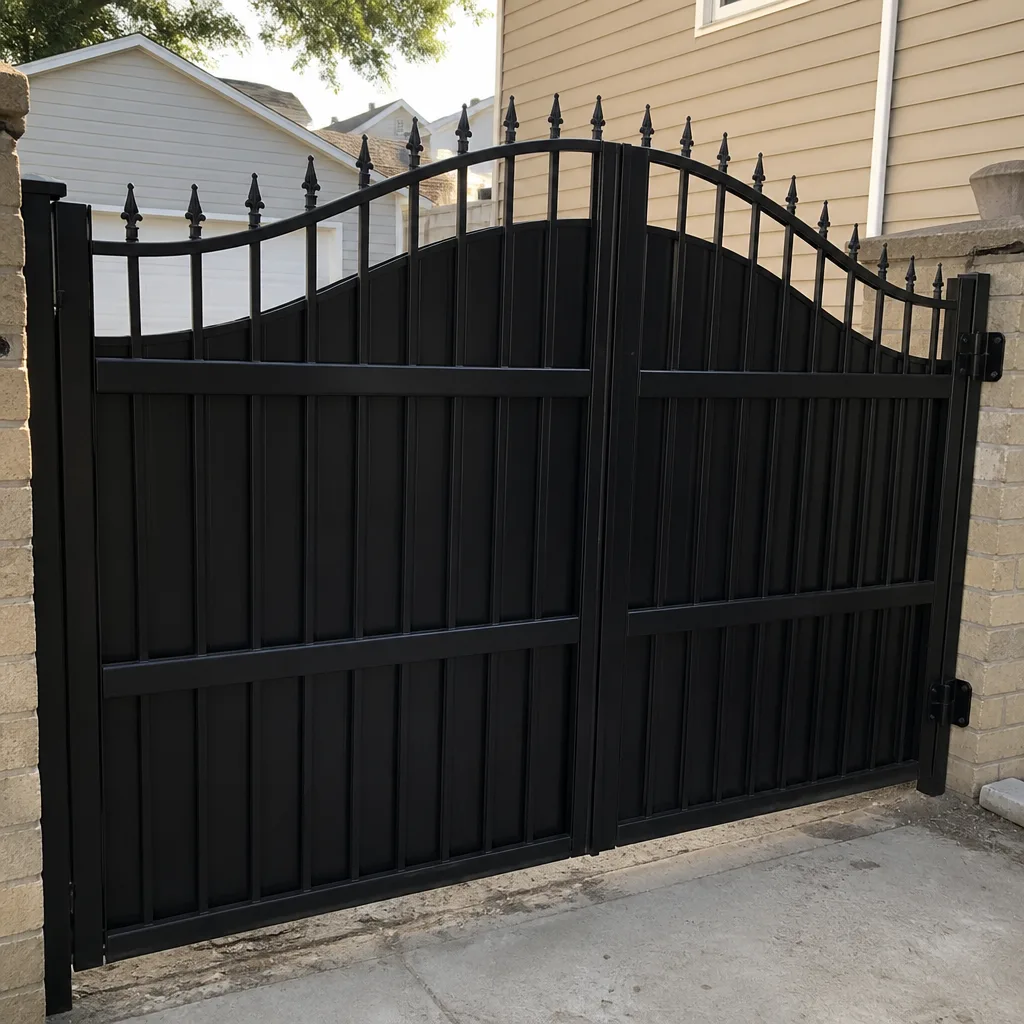 After
After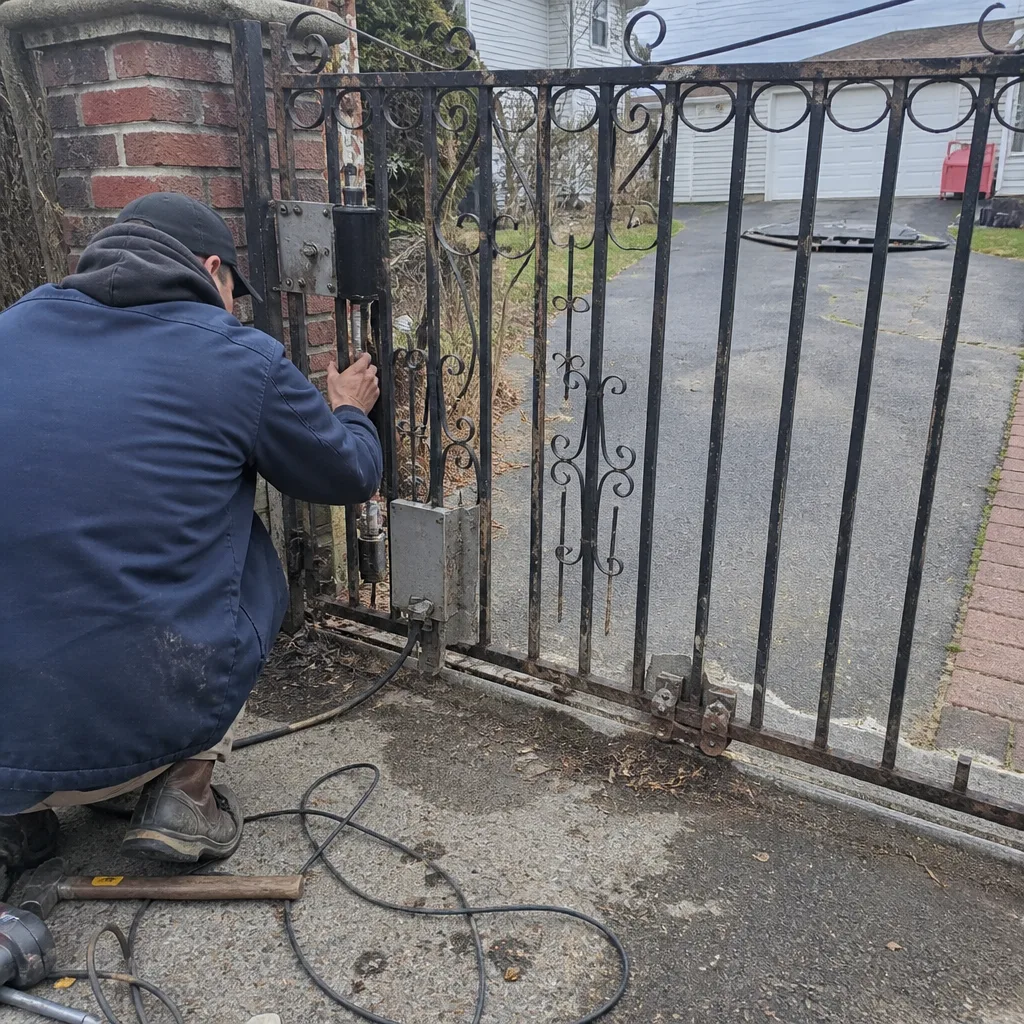 Before
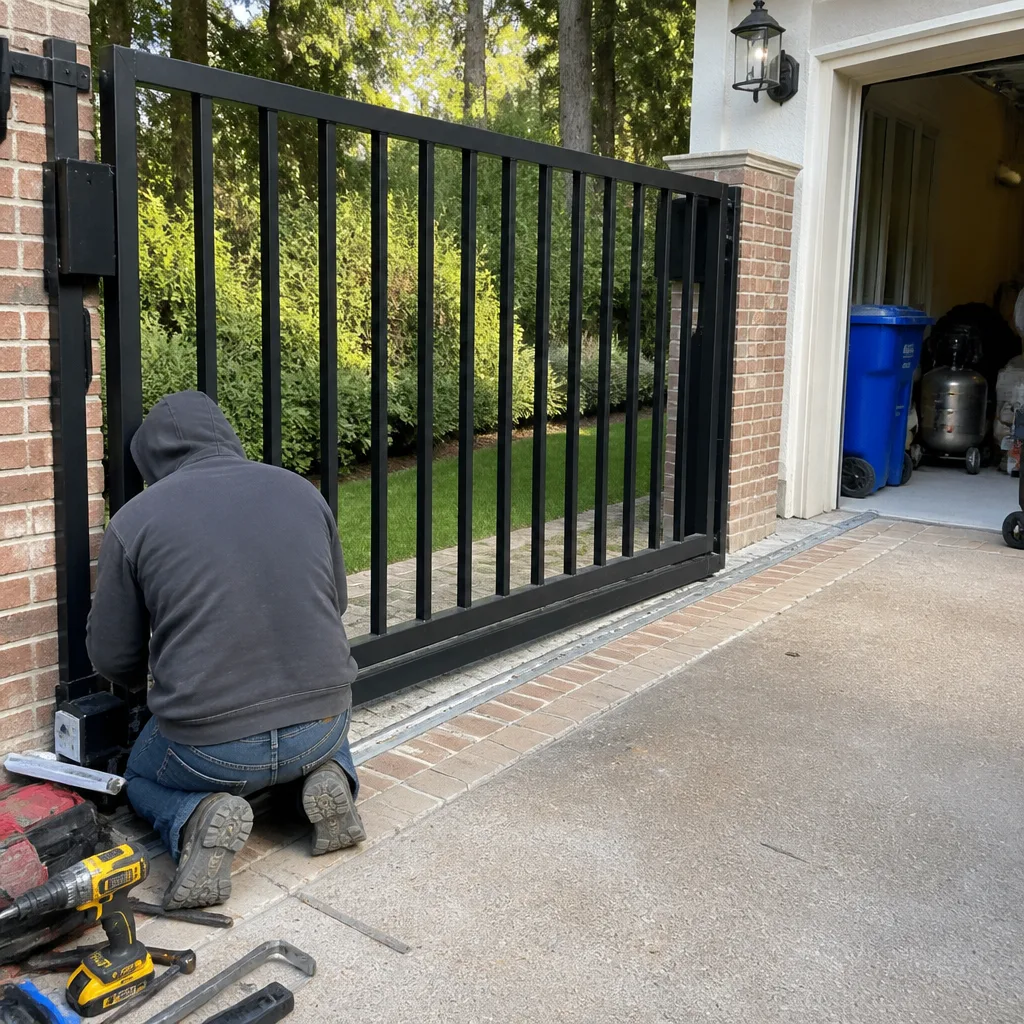 After
After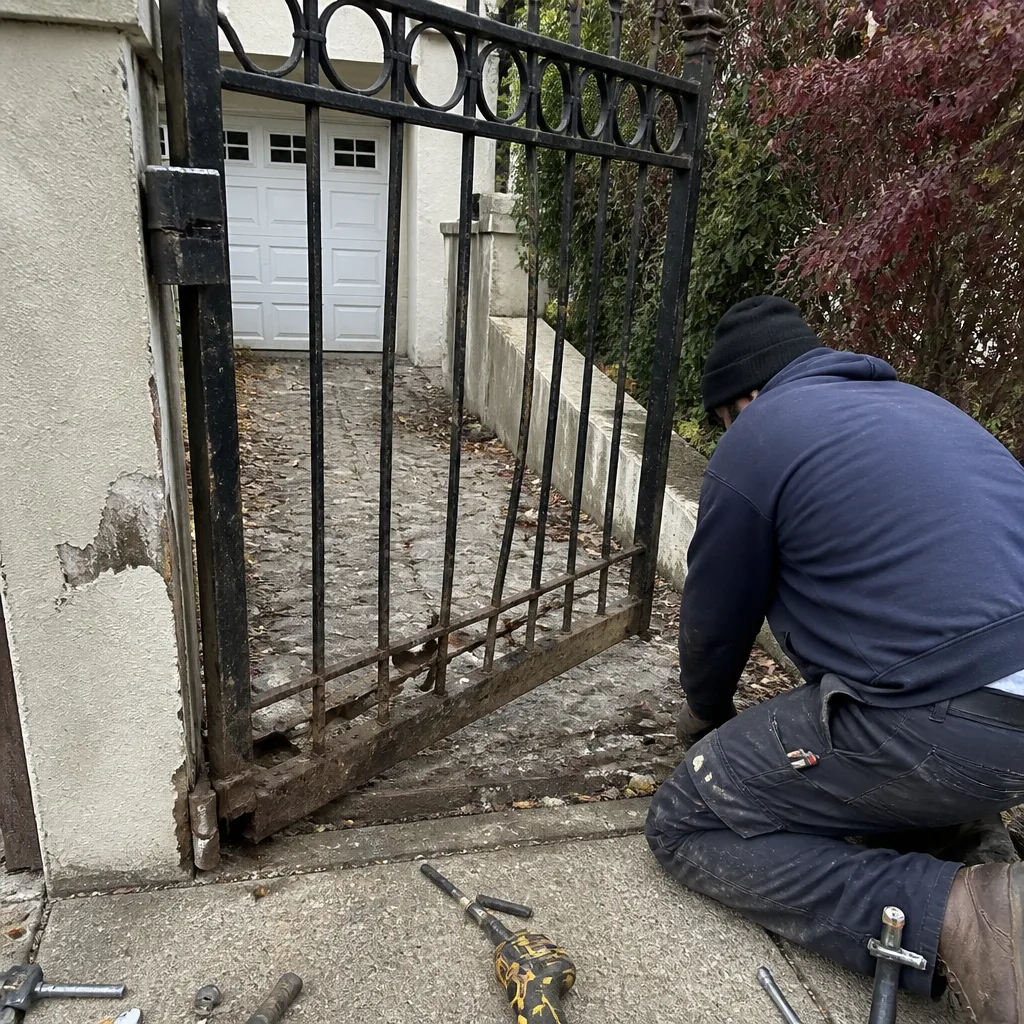 Before
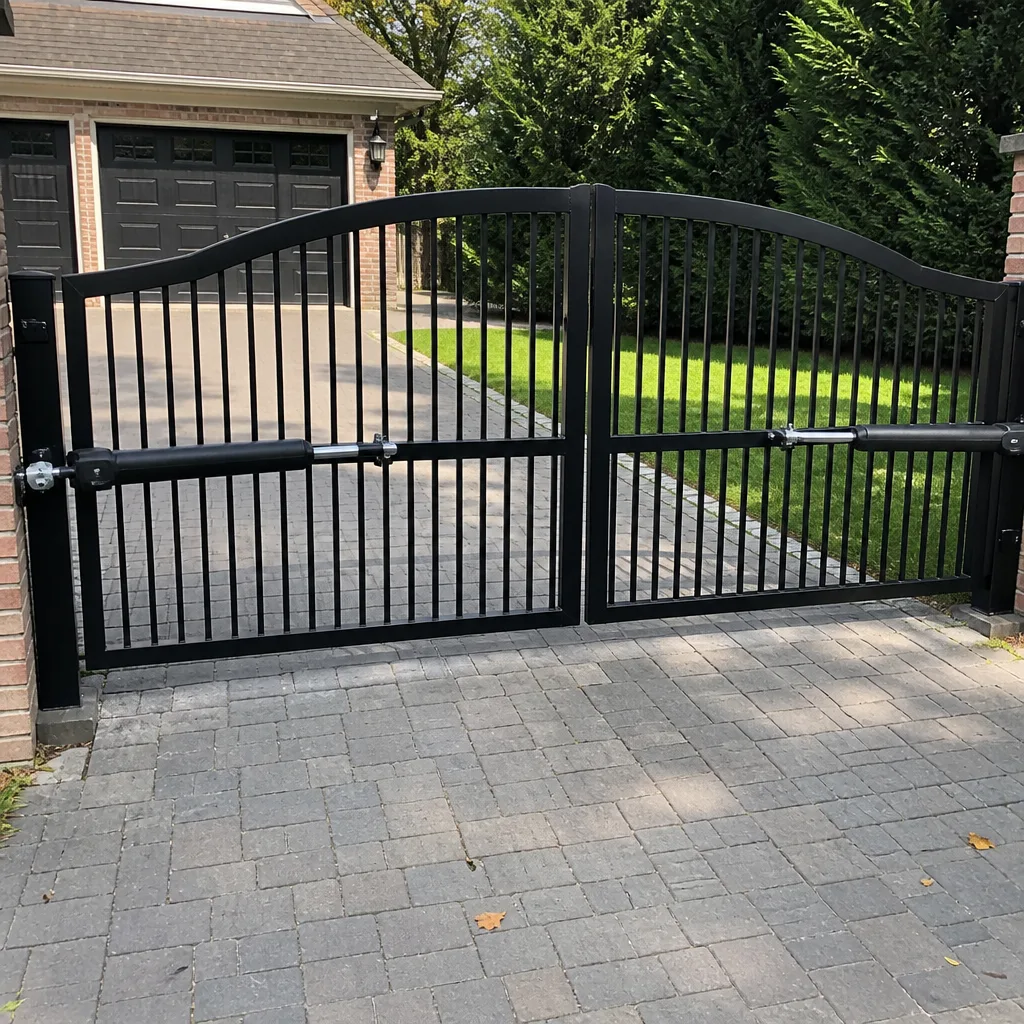 After
AfterGate Closes on Its Own
A gate that closes by itself – without anyone pressing a button – almost always means the auto-close timer on the gate operator is set too aggressively, a safety sensor has malfunctioned and is falsely triggering a close command, or a limit switch has drifted out of calibration. Any of these can be confirmed and corrected by a technician in a single visit. Left alone, the same fault that causes unexpected closing can escalate into a gate that strikes a vehicle, a pet, or a person.
The important thing to understand is that the gate is not “deciding” to close – something in the control board, sensor loop, or timer circuit is issuing a close command at the wrong moment. Figuring out which one requires reading the operator’s fault log and checking the sensor alignment and limit positions, which is why the steps below will help you narrow it down before anyone arrives, but the actual fix is a technician with a diagnostic tool, not a homeowner with a ladder.
Why It Happens
1. Auto-Close Timer Set Too Short
Almost every modern gate operator – LiftMaster, FAAC, Viking, Ghost Controls, and the others – has a built-in auto-close timer that tells the gate to shut after a set number of seconds following an open command. If that timer is dialed down too short (sometimes from the factory, sometimes after a power surge scrambles the board’s memory), the gate swings closed before a car has cleared it. The tell: the gate opens normally, holds for a few seconds, then closes on its own even when nobody sends a close command. Timing it with a phone stopwatch helps confirm this is the culprit.
2. Safety Sensor or Photocell Malfunction
Gate operators use photoelectric beams or loop detectors to detect obstructions. When a photocell is dirty, misaligned, or failing, it can send a false obstruction signal that the operator interprets as “something is crossing the gate – close now.” You’ll often see the gate begin to close, hesitate or reverse partway, then try to close again. Check whether the LED indicators on the sensor heads are both solid (green on the receiver, amber on the transmitter on most brands) – a blinking or unlit LED usually points to a sensor problem.
3. Limit Switch Out of Calibration
The limit switch tells the operator where “fully open” ends. If it drifts – and it does drift on older operators, especially after a hard impact or a long summer of thermal expansion – the operator may believe the gate never reached its open position, panic, and send it back toward closed. A gate that opens three-quarters of the way and then reverses without any obstruction is a classic limit-switch symptom. This is a setting inside the operator housing, and calibrating it requires following the specific procedure for whichever brand is installed.
4. Control Board Fault or Wiring Interference
Control boards on residential and light-commercial operators occasionally develop logic faults – especially after nearby lightning, a power surge, or years of moisture getting into a poorly sealed housing. A bad board can issue random commands, including phantom close signals. Wiring interference from a buried access-control wire running too close to a power line can do the same thing. If the gate closes at irregular, unpredictable intervals with no pattern you can time, and the sensors check out fine, a board fault is the next thing a technician will look at.
What to Do Right Now
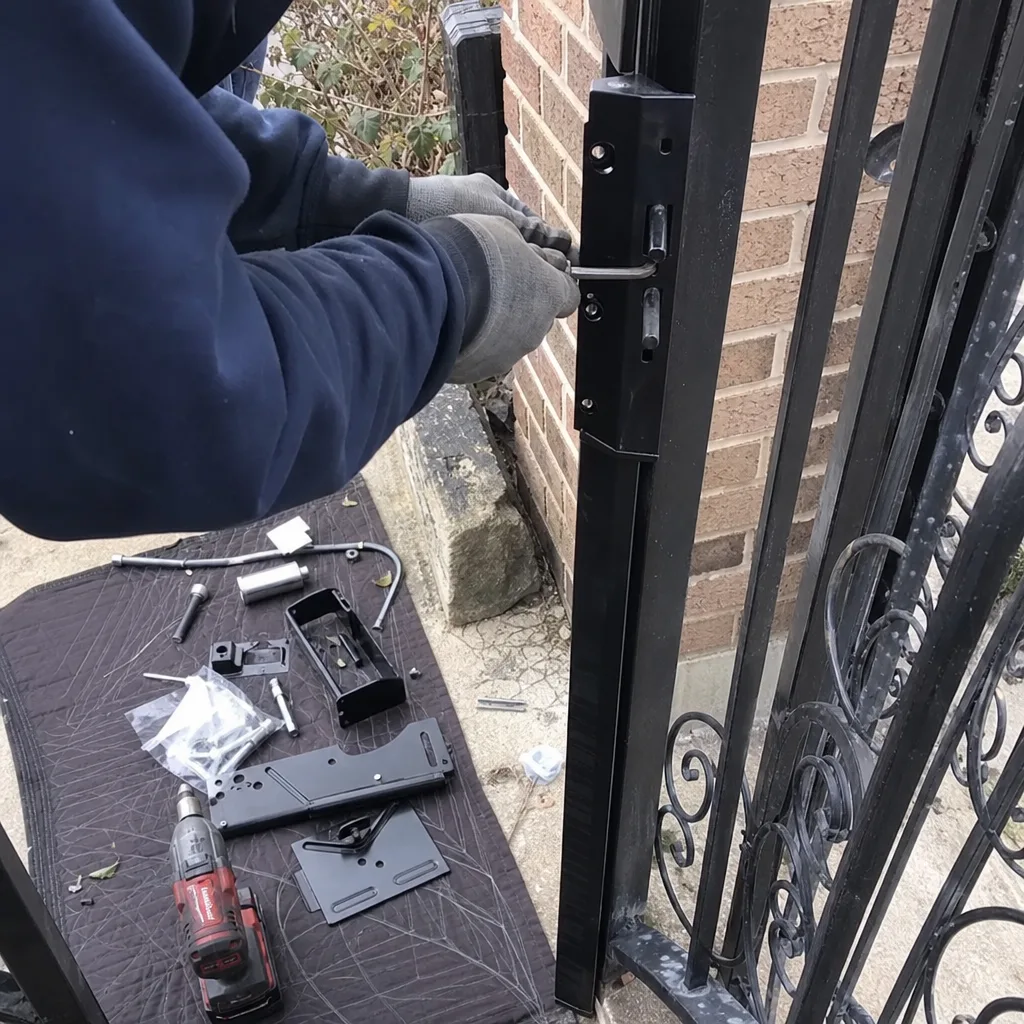
- Stop using the gate for vehicle entry until this is diagnosed. A gate that closes unexpectedly can strike a vehicle, a child, or a pet. If you need to move a car, have someone watch the gate from the control panel the whole time.
- Look at the sensor LEDs. On most operators there are two small sensor heads mounted low on the gate columns. If either LED is blinking or unlit, note which one and which color – that reading helps your technician arrive knowing where to start.
- Time the close cycle. From the moment the gate reaches the full-open position, count the seconds until it starts closing on its own. Write it down. If it is consistently the same number every time (say, 15 seconds, 30 seconds), that points strongly toward the auto-close timer rather than a sensor fault.
- Photograph the operator housing. A photo of the brand name and model label – usually on a sticker inside the housing lid – helps your technician arrive with the right diagnostic sequence for that specific board. LiftMaster, FAAC, BFT, DoorKing, and Elite all use different menus to read timer and limit settings.
- Do not attempt to adjust the limit switches or open the control board yourself. The springs and cables on the gate structure itself can be under significant tension, and the board carries line voltage on some units. If you are not certain what you are touching, stop and call – your local Vance Gate Repair team can be on the line right now at (928) 260-0864.
BeforeAfterHow We Fix It
When your local Vance Gate Repair technician arrives, the first thing they do is read the operator’s fault log and cycle the gate under controlled conditions while watching the sensor LEDs and listening to the relay sequence inside the board. On most operators – LiftMaster, FAAC, BFT, Viking, Ghost Controls, and the rest of the nine brands the team services – this diagnostic step takes fifteen to thirty minutes and produces a specific answer, not a guess.
From there the repair path is direct: if it is a timer setting, they adjust it and test the cycle time against your driveway length. If a sensor is the problem, they clean, realign, or replace the photocell and retest. Limit-switch calibration is done to the manufacturer’s written spec and then verified with the gate under load. A confirmed board fault leads to a written quote for the replacement board before anyone touches anything further – that is Haven Standard Clause 1, and it applies on every job without exception.
Most straightforward auto-close corrections are completed in a single visit. More involved board replacements may take a bit longer depending on parts. Either way, the written price is in your hand before work starts, and everything found, adjusted, and replaced is photographed and filed under the 365-Day Done Right Promise – if something is not right within the year, your local Vance team makes it right, no argument and no additional charge.
The service that resolves this is Gate Repair, and if a faulty access-control input is issuing the close command, Gate Access Control diagnostics may be part of the same visit. Your free written estimate covers whichever scope the technician finds.
Frequently Asked Questions
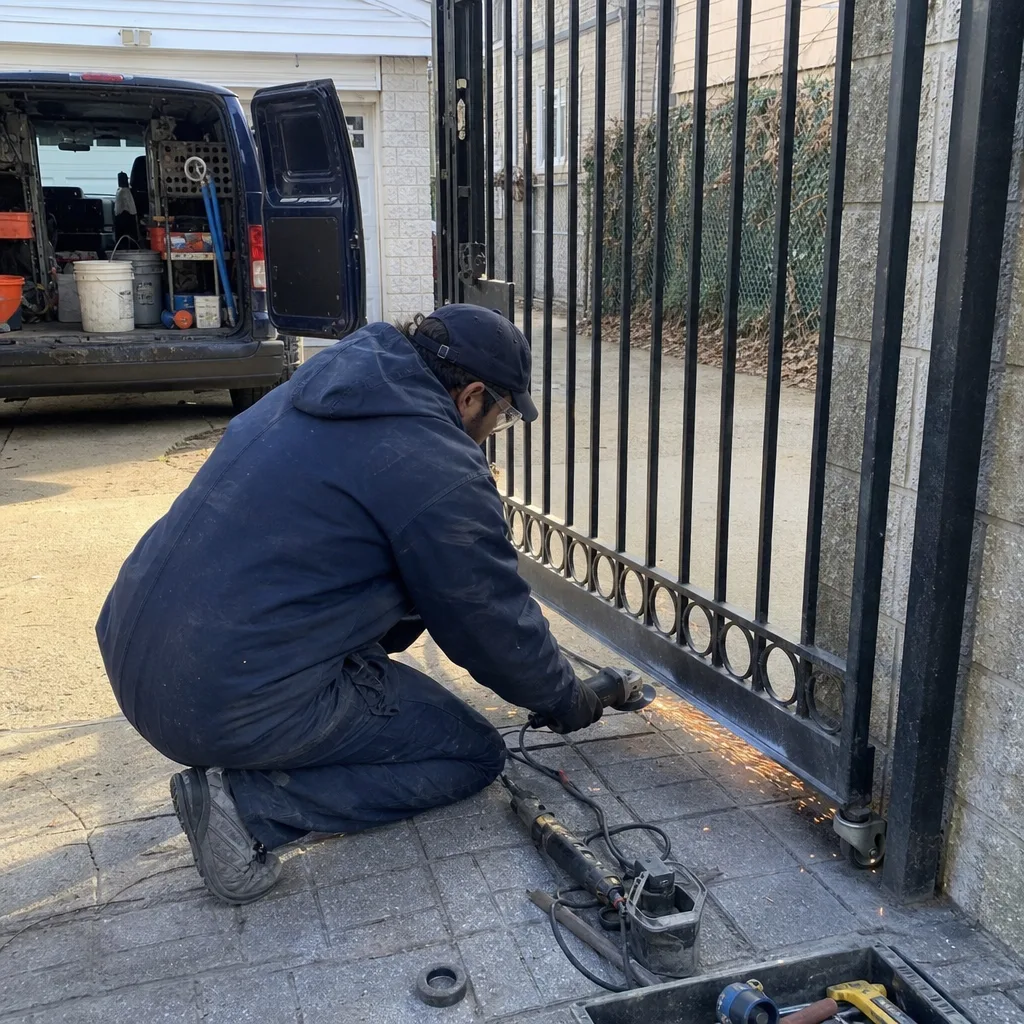
Yes – a gate closing without warning is a real hazard, not just an inconvenience. Four hundred pounds of steel swinging toward a vehicle, a child, or a pet with no warning is worth taking seriously. We would not leave the gate in active use until the cause is confirmed and corrected. Call (928) 260-0864 and your local Vance team can walk you through what to do while you wait for the technician.
It should not wait if the gate is actively used. The same fault that causes unexpected closing can also prevent the gate from stopping when something is in its path. If you can put the gate in manual mode and keep it out of service until the appointment, that is the safer option – but do not keep cycling it and hoping for the best. Call (928) 260-0864 to get on the schedule.
The honest answer is that the cost depends on the cause – a timer adjustment is a very different job from a control board replacement. Your local Vance Gate Repair technician will diagnose the problem, write the price down, and hand it to you before any repair work begins. That is not a policy we make exceptions to. There is no charge to review a written estimate you already have from another company – bring it in and your local team will look at it for free.
Call (928) 260-0864 right now – a live person answers around the clock, every day of the year, with no voicemail and no callback queue. Your local Vance Gate Repair team will confirm availability and give you a real appointment window with the technician’s name before they arrive. Same-day service is available depending on your location and current schedule; the person on the phone will tell you exactly what the next opening looks like.
Get It Fixed
Call (928) 260-0864 any time – day or night, a live person answers. Your local Vance Gate Repair team will confirm availability, give you a real appointment window, and arrive with the written price before any work starts. A gate that closes on its own should not stay that way.
Written by Adrian Vance, Owner at Vance Gate Repair, serving residential and light commercial customers since 2014.
What Our Customers Say
"The safety loop had never been installed correctly by the previous company. They showed me the reading, fixed it, and did not charge me for the diagnosis."
- Patrick H."Our gate was hit by a delivery truck. They came out, documented the damage properly for the insurer, and the claim went through without an argument."
- Camille R."Good work on a long driveway gate. Arrived when they said, finished when they said."
- Sofia E.