
Free on-site gate assessment - hinges, posts, and your LiftMaster or Nice gate operator checked before anything is quoted
The assessment is free and the quote is the invoice.

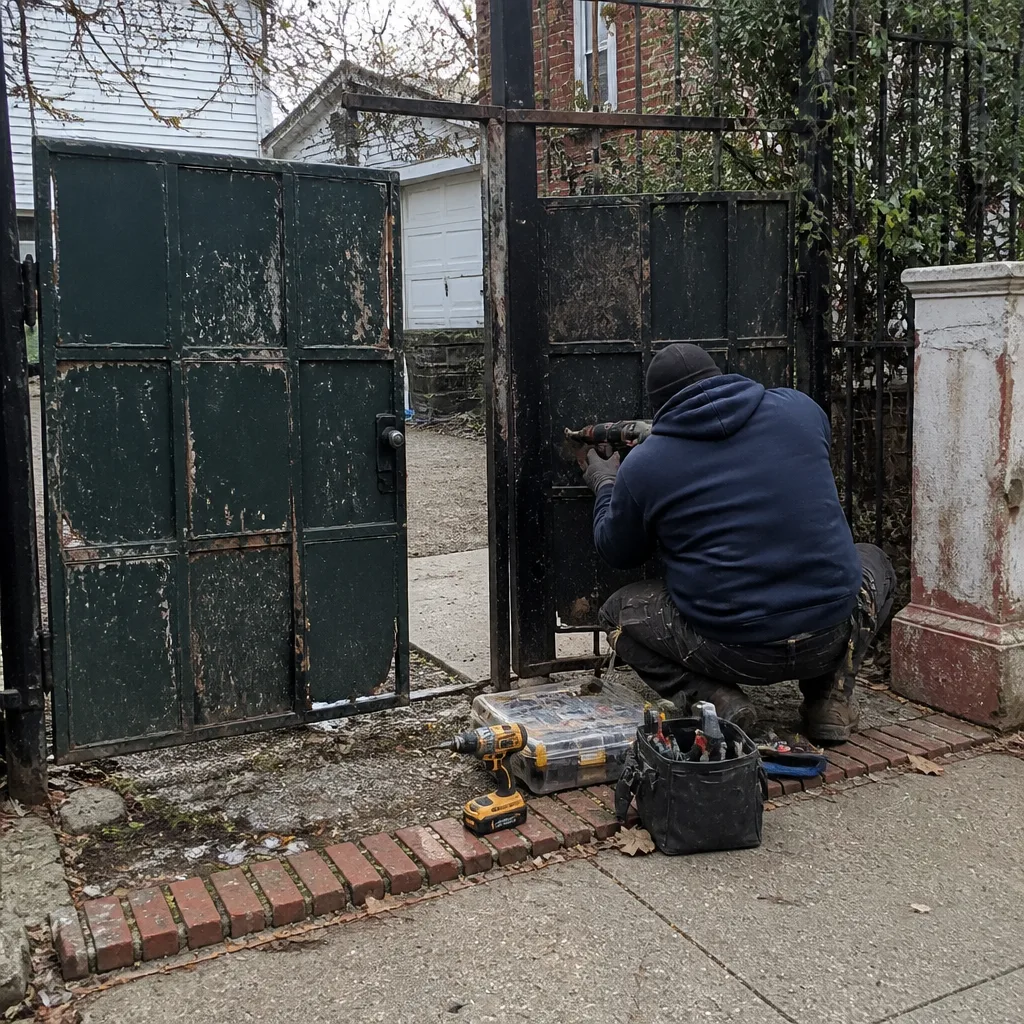 Before
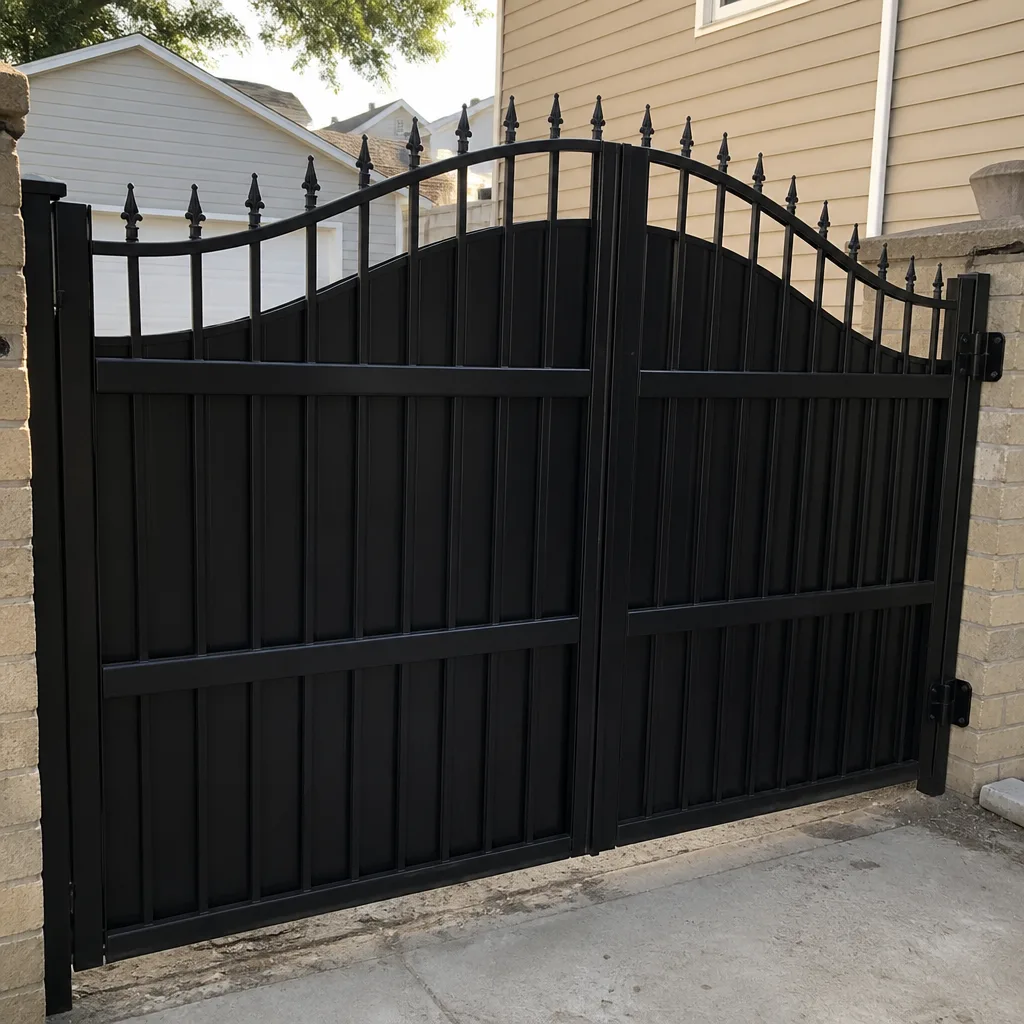 After
After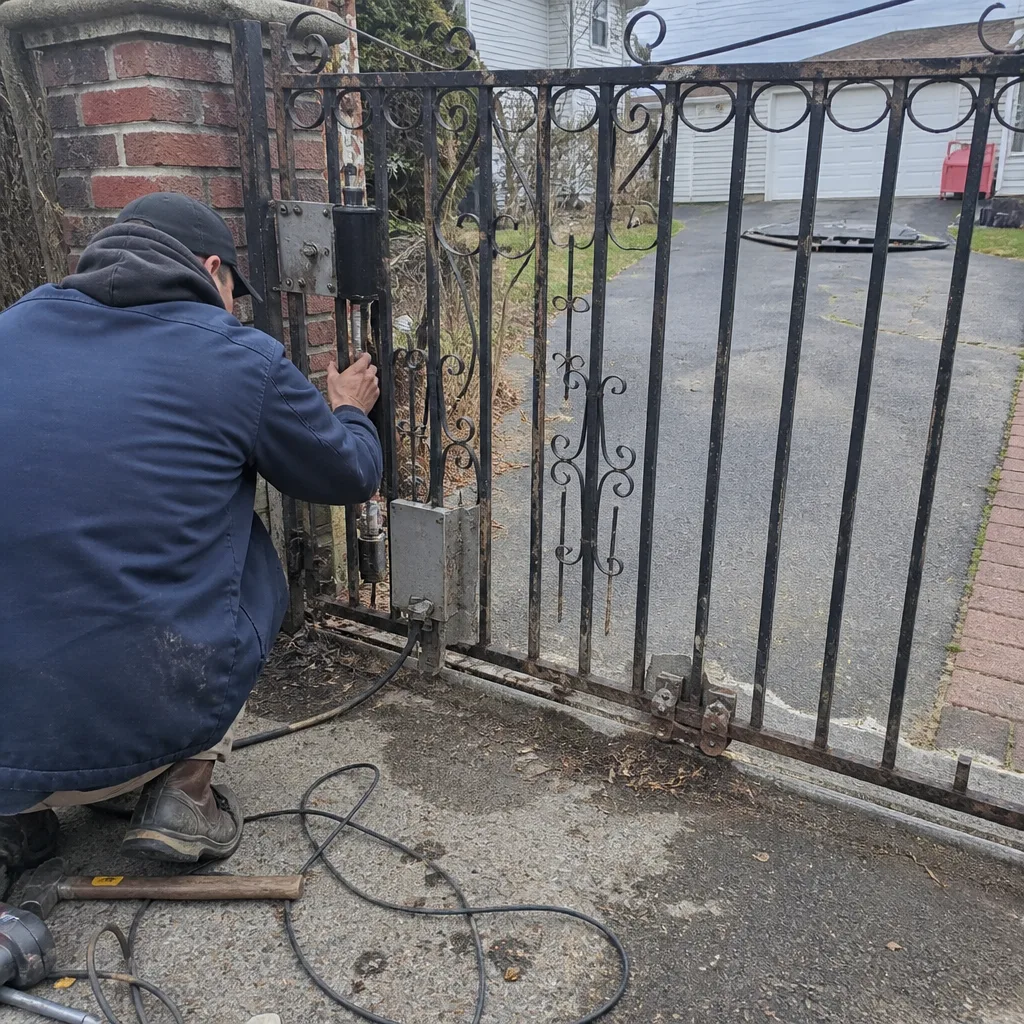 Before
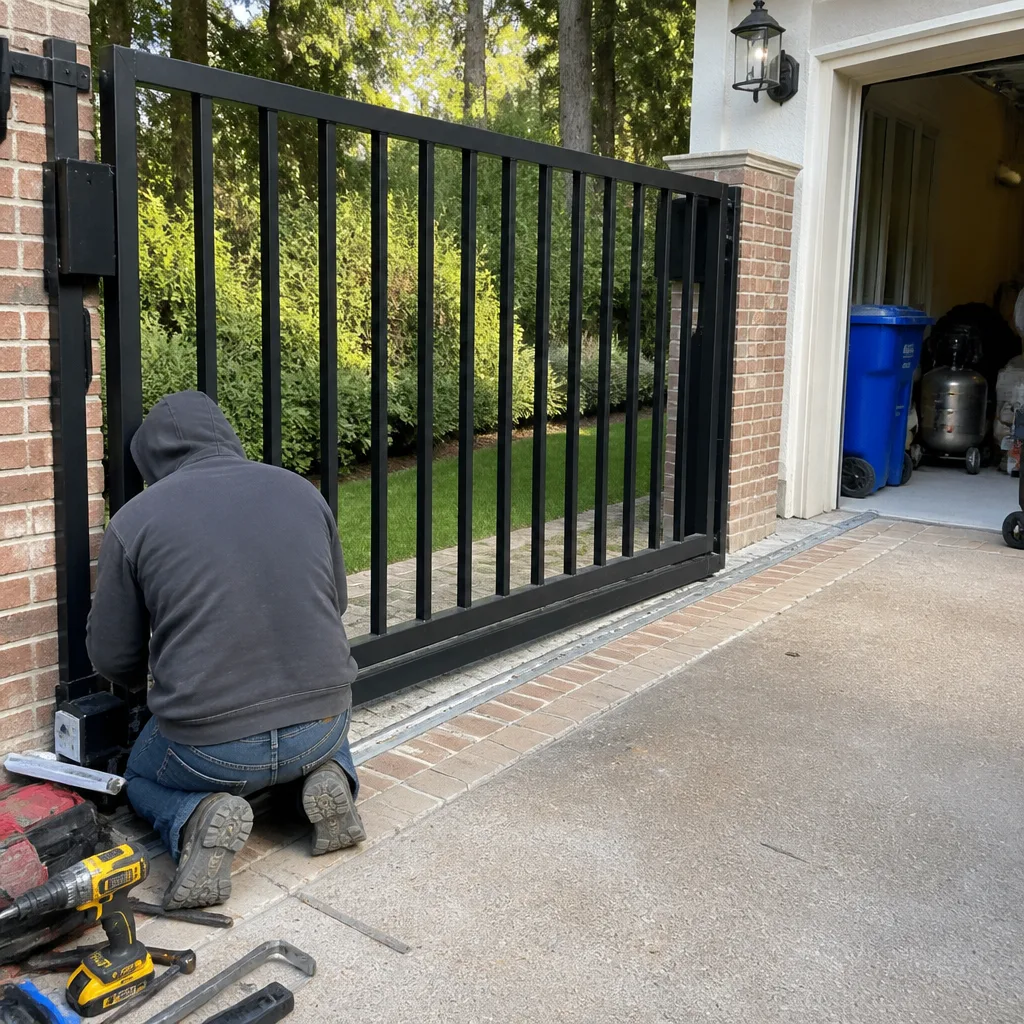 After
After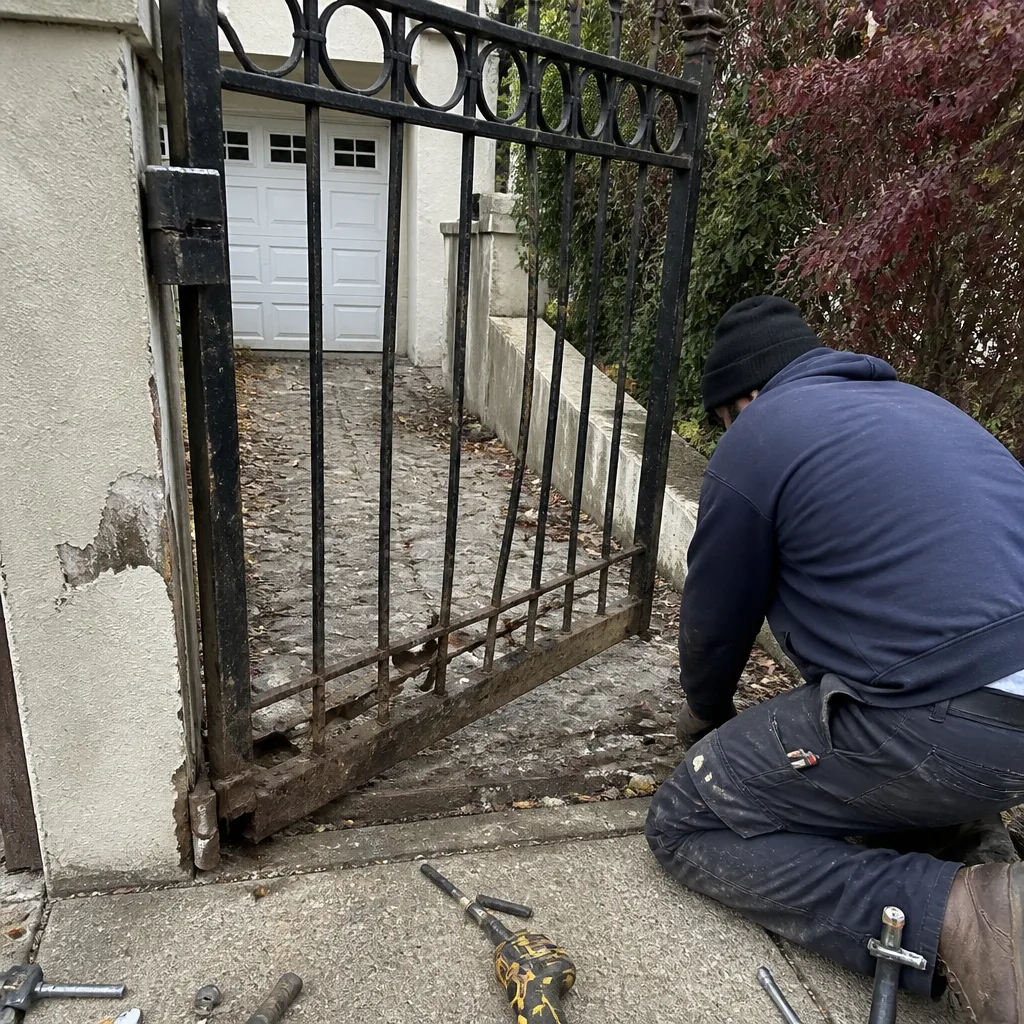 Before
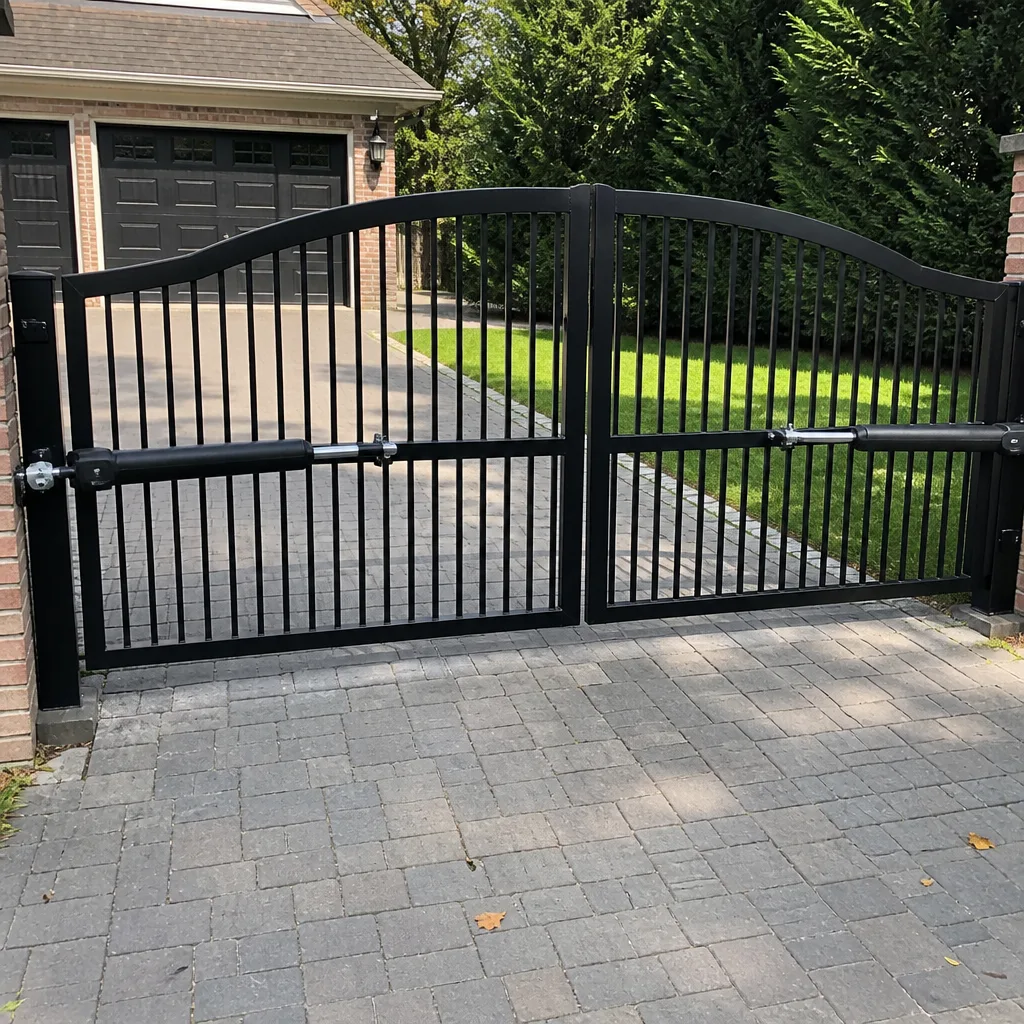 After
AfterBFT Gate Installation in New York City: What to Know First
BFT gate installation in New York City typically runs between $1,800 and $6,500 depending on the operator model, gate weight and length, and whether we’re installing new posts or working with existing ones. Most BFT installations take one to two full days on site, and every job starts with a written price before any tool leaves the truck. If you have a BFT motor sitting in a box or a failed unit you’re ready to replace, call (928) 260-0864 and a live person will answer. This page is for homeowners and property managers across New York City’s five boroughs who own BFT equipment and need it installed correctly the first time. We’re an independent BFT service provider, not a factory-authorized dealer, which means we make parts and repair decisions based on what’s best for your gate, not on what the manufacturer’s warranty department wants to hear.
Key Takeaways
- BFT installation pricing is written down before work starts, not estimated over the phone and revised later.
- We install BFT swing, sliding, and barrier operators on gates of all sizes in New York City, including pedestrian and security gates.
- BFT’s known failure points are specific: capacitor fatigue, limit-switch drift, and control-board corrosion from coastal air.
- Every BFT installation includes a photo log and written record of what was installed, set, and tested.
- We also work on LiftMaster, Mighty Mule, Ghost Controls, and DoorKing if you have mixed-brand equipment on the property.
How BFT Products Fail - and How We Fix Them
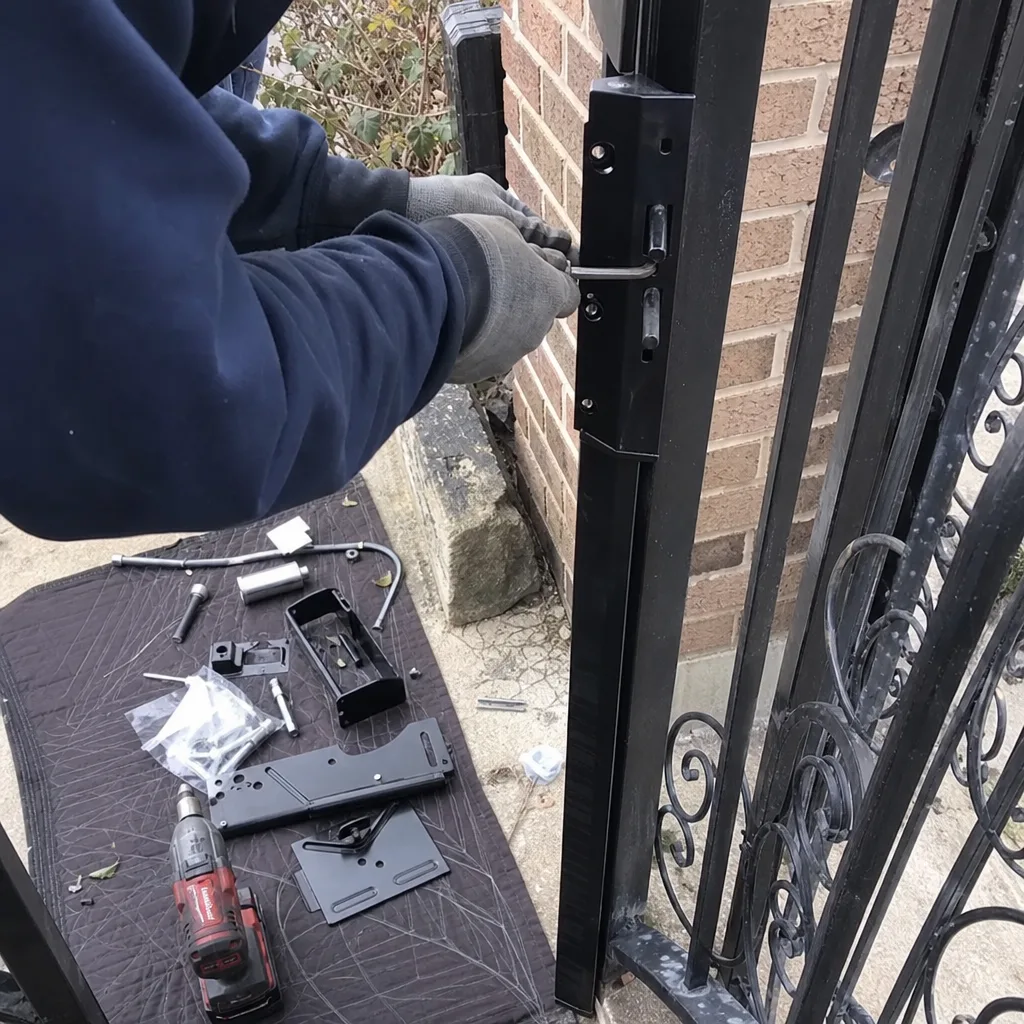
BFT makes solid automation equipment, but any gate motor that survives a New York City winter or a summer of salt air is going to show wear. Here’s what we actually find on BFT jobs in this city:
- Capacitor failure on the Aries and Deimos swing operators. BFT’s 24V operators rely on a start capacitor to get the arm moving. When that capacitor weakens, the gate starts moving slowly or stalling mid-travel, especially when temperatures drop below 40°F. We test the capacitor with a meter on site, and if it’s weak, we replace it with a component rated for cold-weather duty. A BFT owner’s manual won’t tell you this, but a capacitor that tests in the low 70% range of its rated microfarads will fail completely within a season.
- Limit-switch drift on the Phobos sliding-gate line. The Phobos series uses magnetic limit switches that can shift a few millimeters over years of vibration. The symptom is a gate that overshoots and slams the end stop, or one that stops six inches short. We reset the limit position, run the gate through ten full cycles, and photograph the final setting. If a limit switch is cracked or rusted, we replace it during installation rather than setting it and hoping.
- Control-board corrosion from coastal air and road salt. In neighborhoods near the water in Queens and Brooklyn, and anywhere road salt spray reaches driveway gates, BFT control boards show green corrosion on the terminal strips. That corrosion introduces resistance into the low-voltage signal circuits and causes intermittent failures that are maddening to diagnose. During installation we apply a conformal coating to the board terminals and confirm the enclosure gasket is actually sealing, because a new board in a leaky enclosure is a future callback.
- Photocell misalignment on the Thalia and Botticelli lines. BFT’s photocells are sensitive and need a clean line of sight. On a New York City driveway where delivery trucks, strollers, and garbage bins pass constantly, a photo-eye knocked two degrees out of alignment will refuse to close the gate. We align during installation, then actually walk through the beam path to verify it stops and reverses under load, not just when it’s tested with a finger.
- Receiver-board failure from power surges on the Rigel and Deimos barriers. BFT barrier operators in New York City get their power from circuits that also feed building lighting, sump pumps, and sometimes a neighbor’s construction equipment. A surge that wouldn’t bother a refrigerator can kill the receiver board on a BFT barrier. We install a surge suppressor inside the enclosure on every BFT barrier job, because the cost of that $40 part is nothing compared to a $400 board replacement two months later.
BeforeAfterOur BFT Gate Installation Process
Every BFT gate installation in New York City follows the same path. We don’t skip steps and we don’t leave a gate that works “mostly.”
- 1
The initial call and site assessment. You call (928) 260-0864, a person answers, and we ask the right questions: gate weight and length, existing operator model, power availability at the gate, and whether the posts are original. We then schedule a time to come look. The estimate is free, and it’s written before we leave.
- 2
Written scope and price. We hand you a document that names the operator model, the parts, the labor, and the total. No range, no “we’ll see when we open it up.” If we find something during the work that changes the scope, we stop, call you, and put the change in writing. You approve it or we don’t do it. This is Haven Standard Clause 1.
- 3
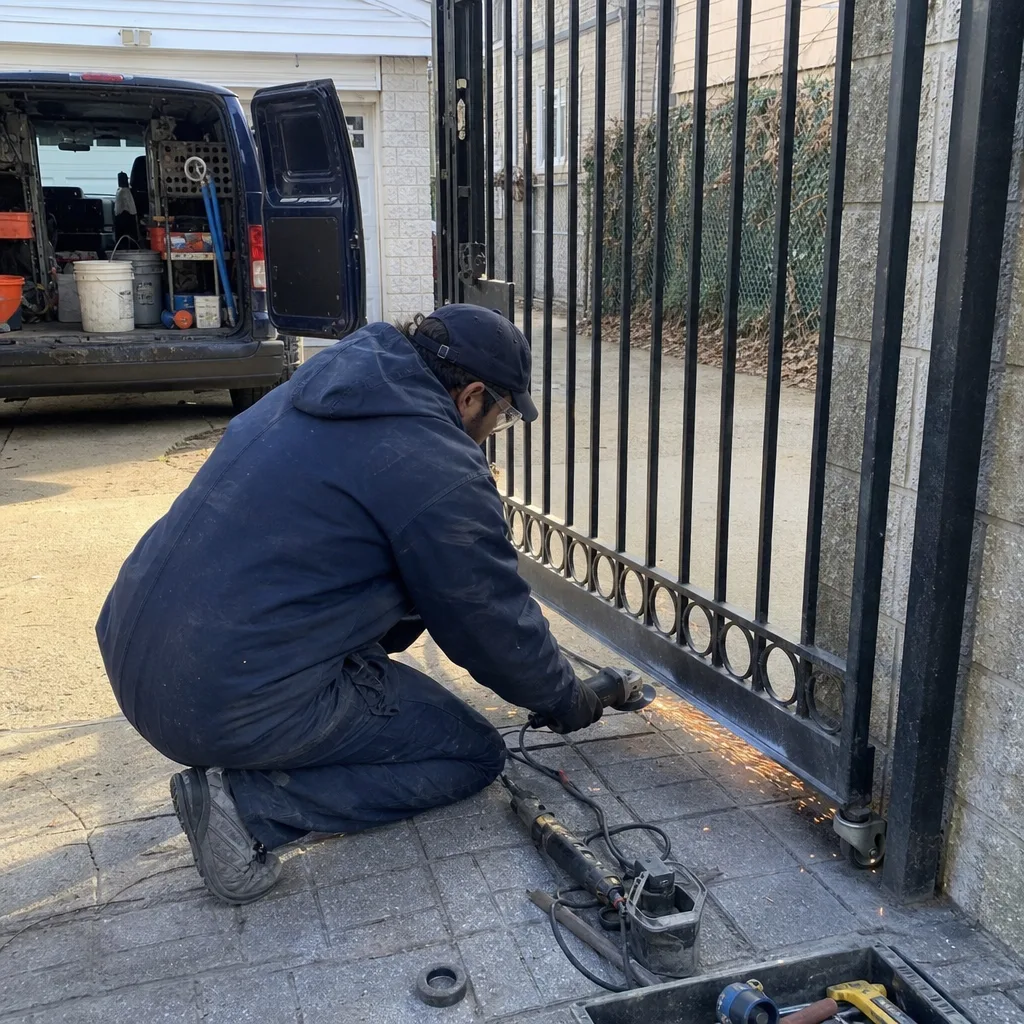
Mechanical work first. We check the gate hinges, the post foundations, and the gate’s travel path before touching the motor. A BFT operator installed on a gate that binds or sags will burn through its gearbox in two years. We adjust or repair the mechanical side first, then mount the operator.
- 4
Wiring, limits, and safety circuits. We wire the operator, set the limit switches, align the photocells, and configure the control board. On BFT installations that means we’re setting torque values specific to the gate’s weight and length, not leaving the factory defaults and hoping they hold.
- 5
Full cycle testing. We run the gate through repeated open and close cycles, including obstruction tests. We verify the auto-reverse works under real resistance, not just with a light touch. We test the manual release and show you how to use it before we leave.
- 6
Documentation and walkthrough. You receive a photo log of the installation: the board before and after, the limit settings, the torque values, the photo-eye alignment, and the serial number of the operator. You also get a written record of every part installed. Under Clause 4 of The Haven Standard, this photo record is included on every job at no additional charge.
What BFT Gate Installation Costs in New York City
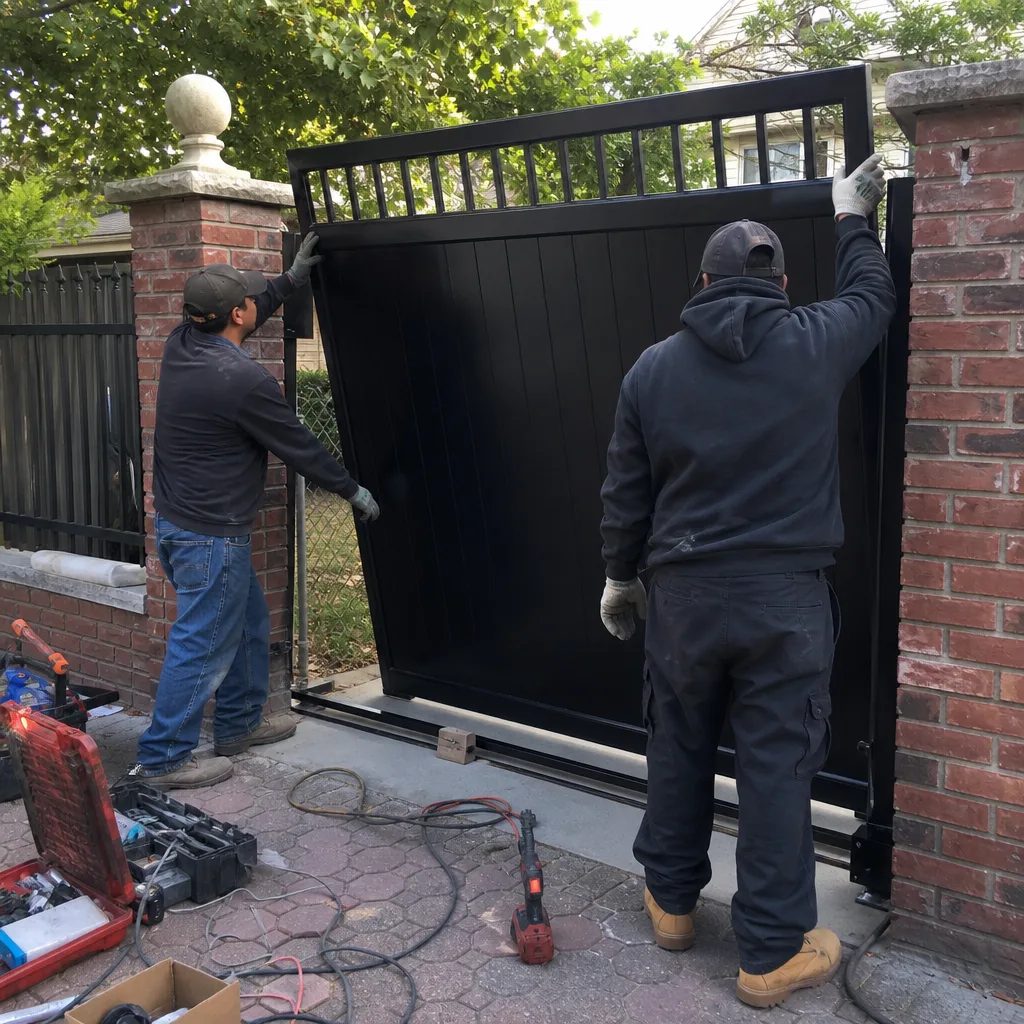
Here’s what we charge for common BFT installation scenarios. These are the prices we write on the estimate before the work starts:
- BFT Deimos or Aries swing operator, single gate, existing posts: $1,800 to $2,800 installed.
- BFT Phobos sliding operator, gate up to 1,500 lbs: $2,500 to $4,200 installed, including the rack or chain drive conversion.
- BFT Deimos swing operator, double gate (master/slave pair): $3,200 to $5,500 installed. Double gates need a slave arm and a longer wiring run, and the phasing between the two motors has to be set precisely or the gates collide.
- BFT Rigel or Deimos barrier operator, parking or driveway barrier: $2,200 to $4,000 installed, including the barrier arm and any foundation work. Cost moves based on arm length and whether we need a concrete pour for the base plate.
- BFT Thalia or Botticelli pedestrian gate operator: $1,400 to $2,400 installed, including the magnetic or electric lock.
What moves the price in New York City specifically: the condition of the existing posts (rusted or out-of-plumb posts have to be replaced before an operator goes on), the distance from the nearest power source to the gate, and whether the control board needs to integrate with an existing intercom, keypad, or building access system. We don’t bid access-control integration as an afterthought; it’s written into the estimate from the start. Call (928) 260-0864 for a free estimate, and we’ll put the number on paper before you decide anything.
Why New York City Homeowners Call Vance Gate Repair for BFT Work
We’re not the only gate company in New York City. But we’re one of the few that works on nine automation brands, including BFT, LiftMaster, Mighty Mule, Ghost Controls, and DoorKing, so when your BFT operator fails we don’t steer you toward a full-brand replacement just because that’s what we sell. We repair what’s repairable and install what can’t be repaired, and the decision is always yours after we’ve shown you the evidence. Adrian Vance has been diagnosing gate operators since he started in commercial access control in 2014, and he’s built the company around a habit most gate companies don’t bother with: documenting what was found, what was set, and what was left behind. That documentation discipline comes directly out of commercial access-control work, where a gate failure can shut down a building, and it’s why every residential job gets the same treatment. We also answer the phone 24/7 with a live person, not a voicemail tree, and every job is covered by our 365-Day Done Right Promise. If the installation isn’t right within a year, we make it right at no charge. No argument, no re-bill, no expiration date on the correction.
FAQs
Installing a BFT operator through an independent service provider like Vance Gate Repair does not automatically void the manufacturer’s warranty, but BFT’s warranty terms require that installation follow their published specifications and that the operator be used with compatible accessories. We install to manufacturer spec on every job and document the installation with photos, so if a warranty claim is ever needed, you have the installation record to support it. As an independent BFT service provider, we’re not affiliated with BFT and we don’t represent their warranty department, but we install in a way that protects your coverage.
Most BFT installations are scheduled within three to seven days of the estimate, depending on whether we need to order a specific model or if it’s already on site. If you have the operator in hand and the gate is in working mechanical condition, we can often begin installation the same week. Call (928) 260-0864 for the current schedule, and we’ll give you a straight answer, not a callback window.
Yes, and we’ll tell you honestly which is the better financial decision. If the control board is good and the gearbox isn’t grinding, a repair is usually the right call. If a BFT Phobos has a cracked main gear and a corroded board, replacing the operator makes more sense than chasing parts. We’ll show you the test results and let you decide. Our recommendation is based on the evidence, not on which option makes us more money.
Every BFT installation includes the operator mounting, limit-switch configuration, photo-eye alignment, torque adjustment, full cycle testing, a photo log of the installation, and a written record of every part installed. We also apply a conformal coating to the control board terminals and verify the enclosure seal, because New York City’s climate demands it. The written record and photo log are yours to keep and are also filed in our job record, so if anything ever fails, the next technician (whether from us or another company) has the full history.
Yes. We service and install LiftMaster, Mighty Mule, Ghost Controls, DoorKing, and four other major gate-automation brands. If your property has a BFT on the driveway and a LiftMaster on the pedestrian gate, one call covers both. We’re not tied to any single manufacturer, which means the repair recommendation you get is based on what’s actually wrong, not on what we have in stock.
If you’re ready to get a BFT gate installation in New York City priced in writing, call (928) 260-0864 today. A live person answers, and the estimate is free.
Written by Adrian Vance, Owner, Vance Gate Repair at Vance Gate Repair, serving New York City and nearby areas.