
Free on-site gate assessment - hinges, posts, and your LiftMaster or Nice gate operator checked before anything is quoted
The assessment is free and the quote is the invoice.
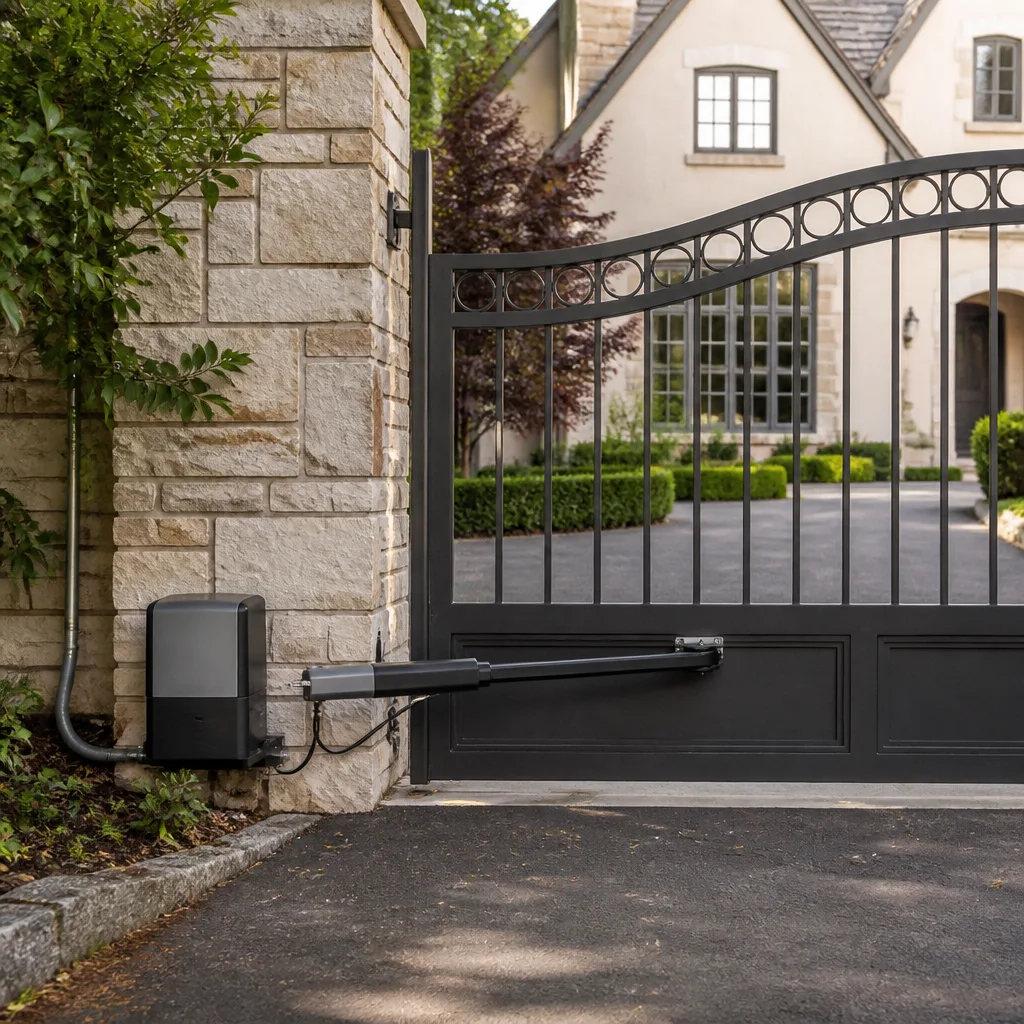
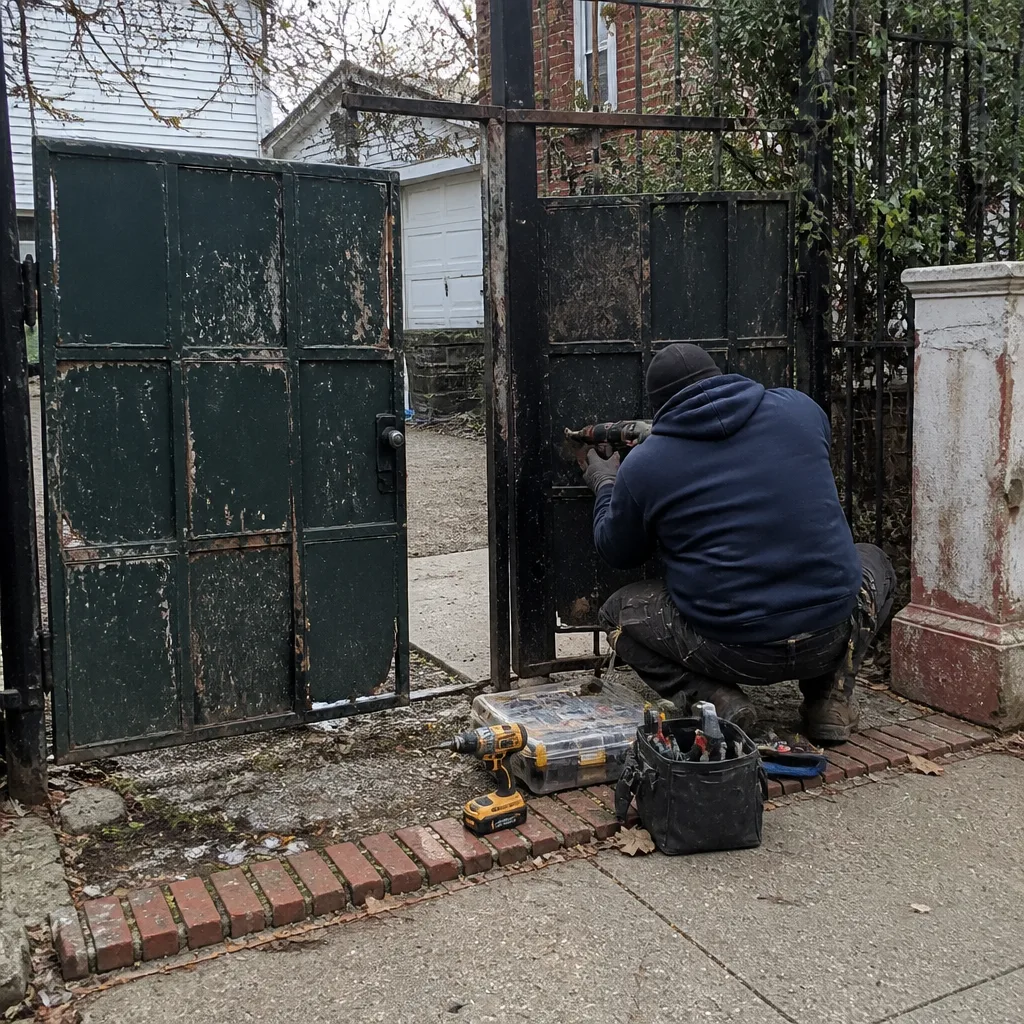 Before
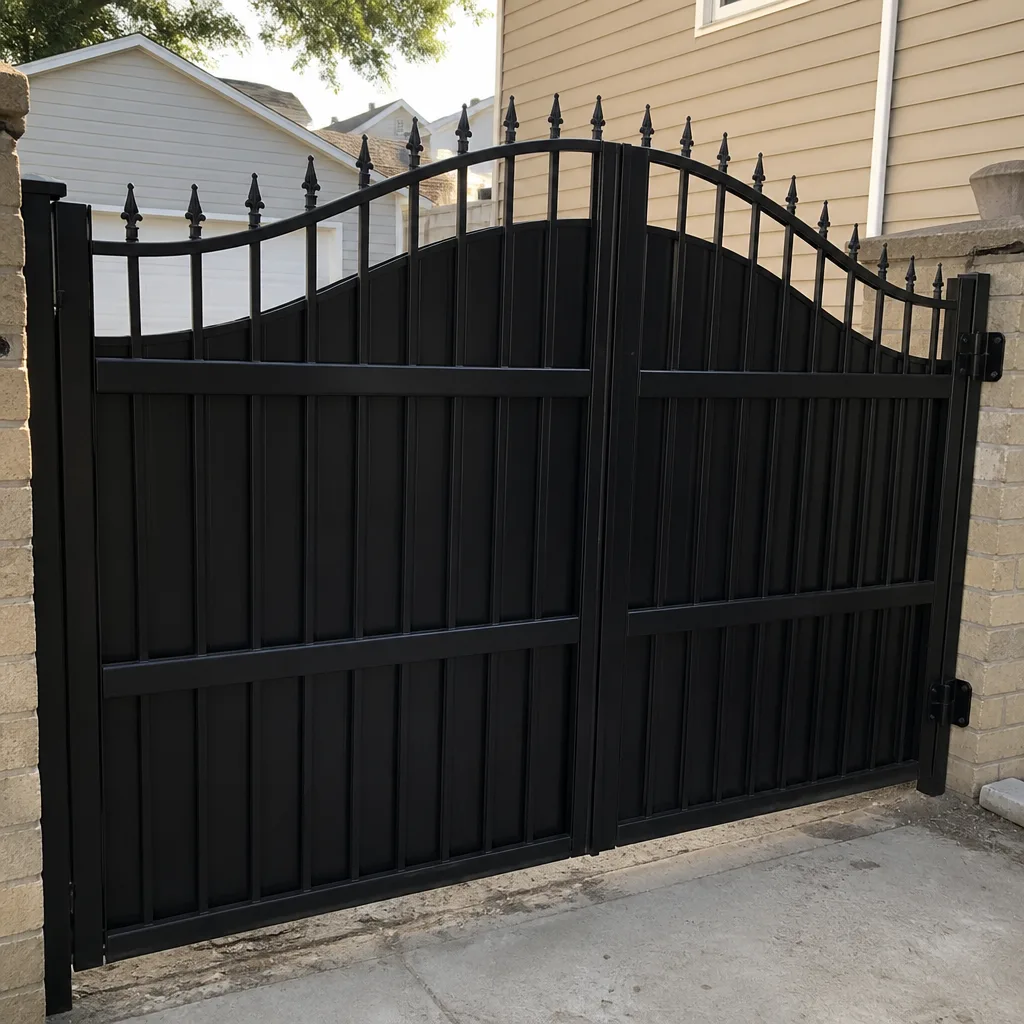 After
After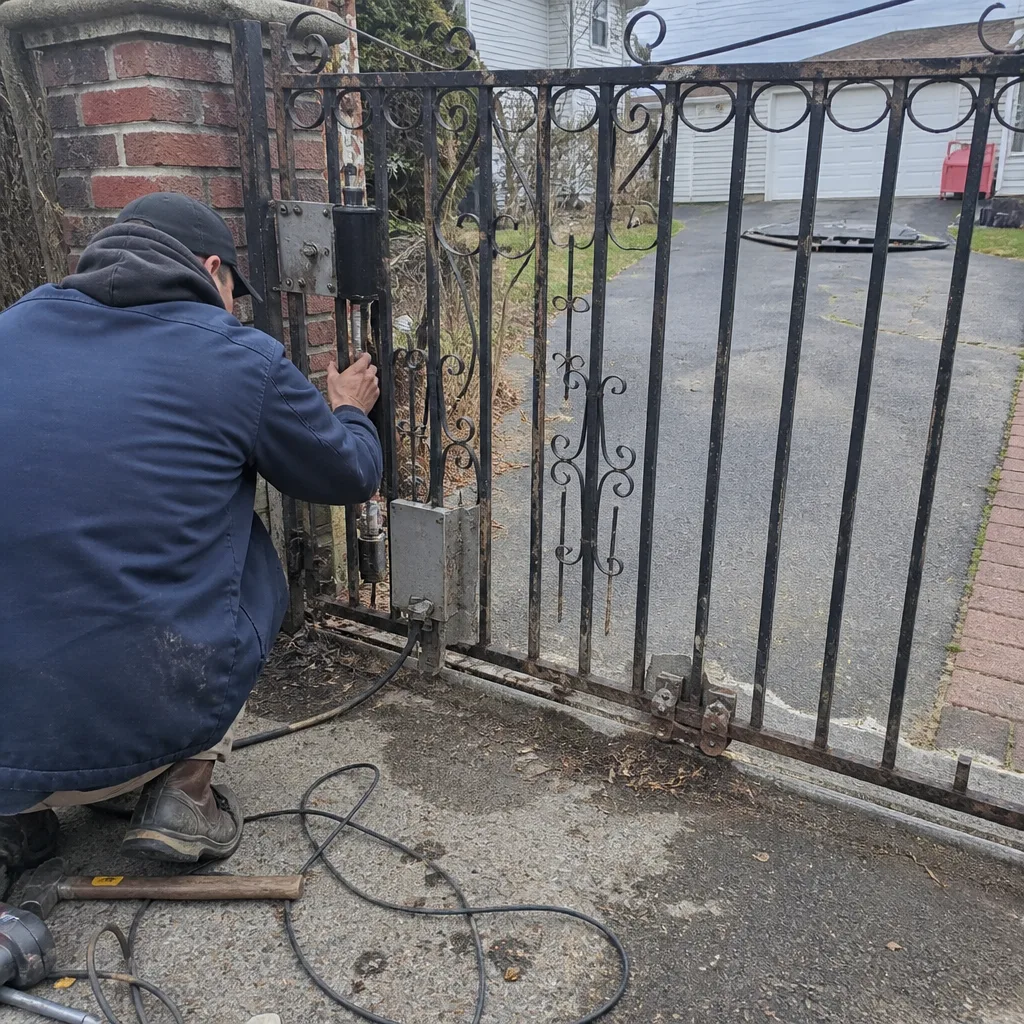 Before
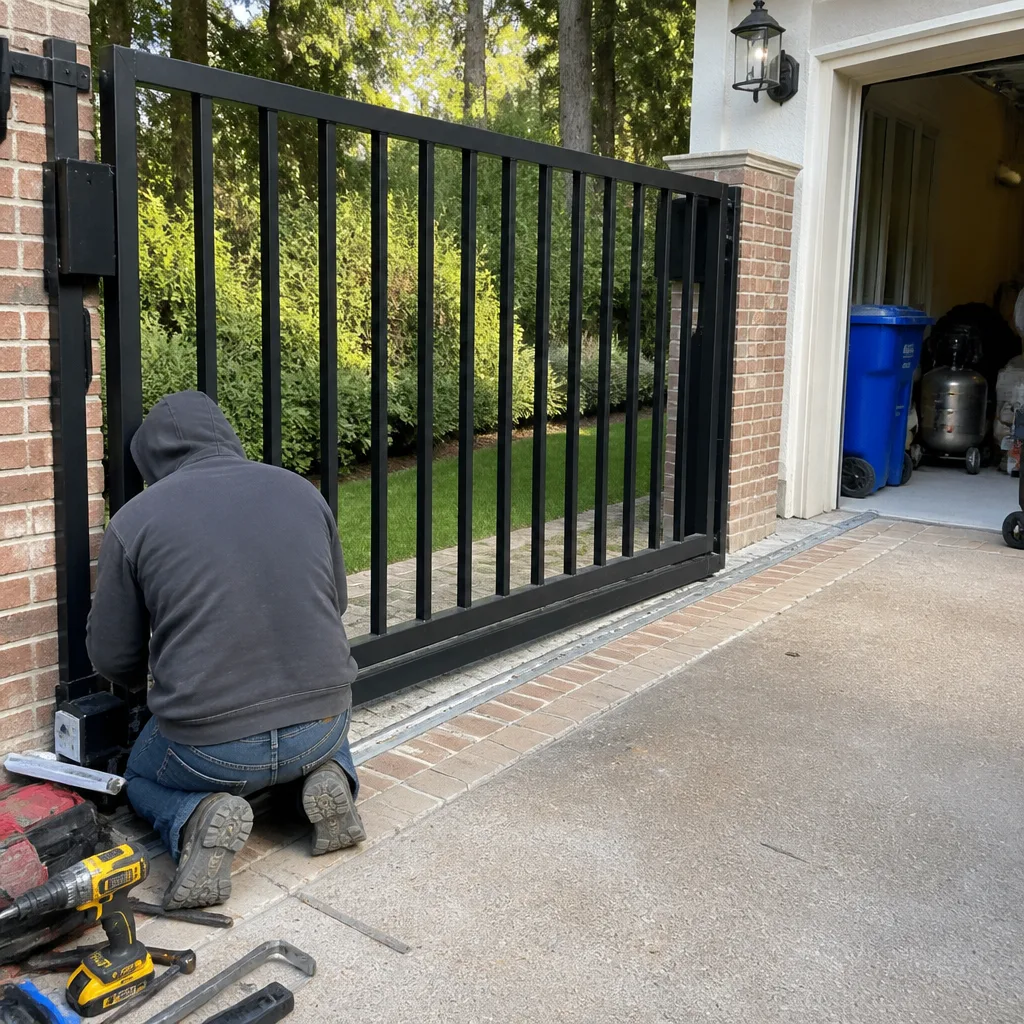 After
After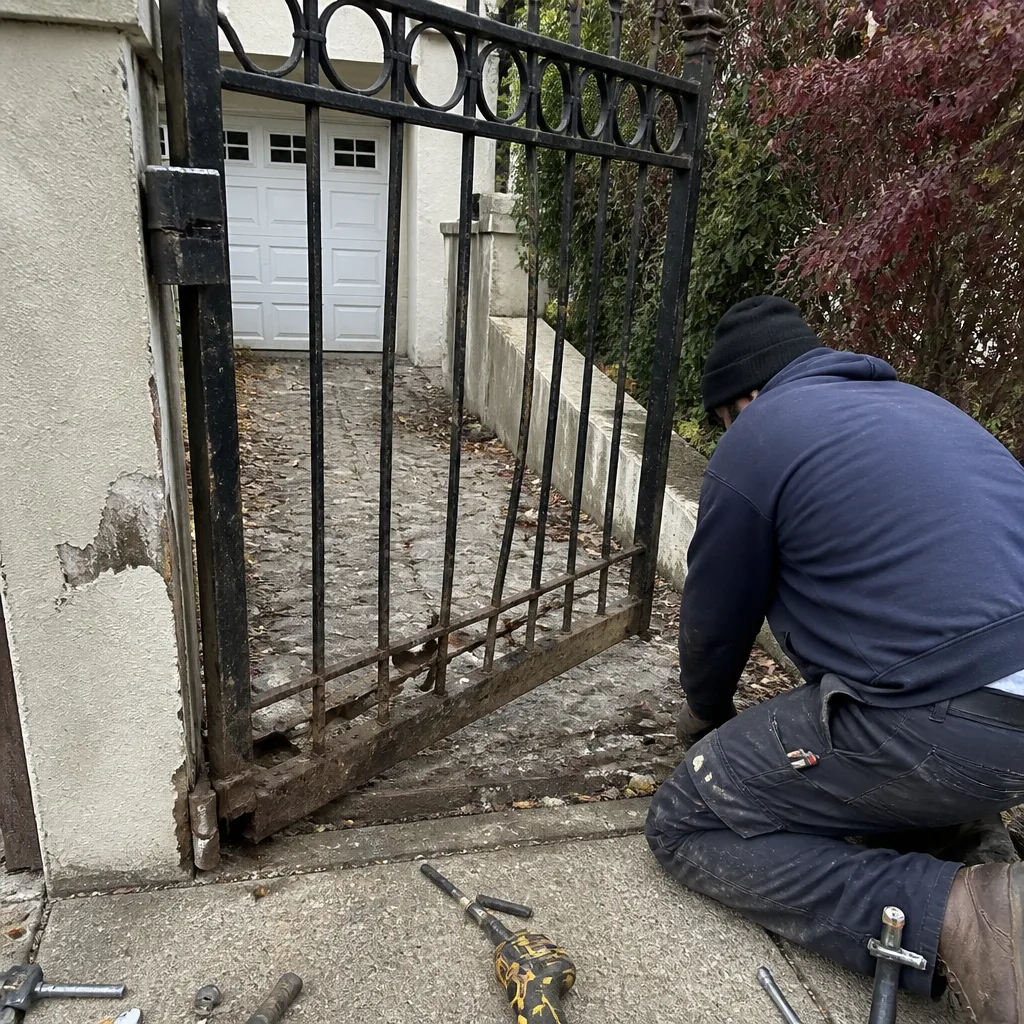 Before
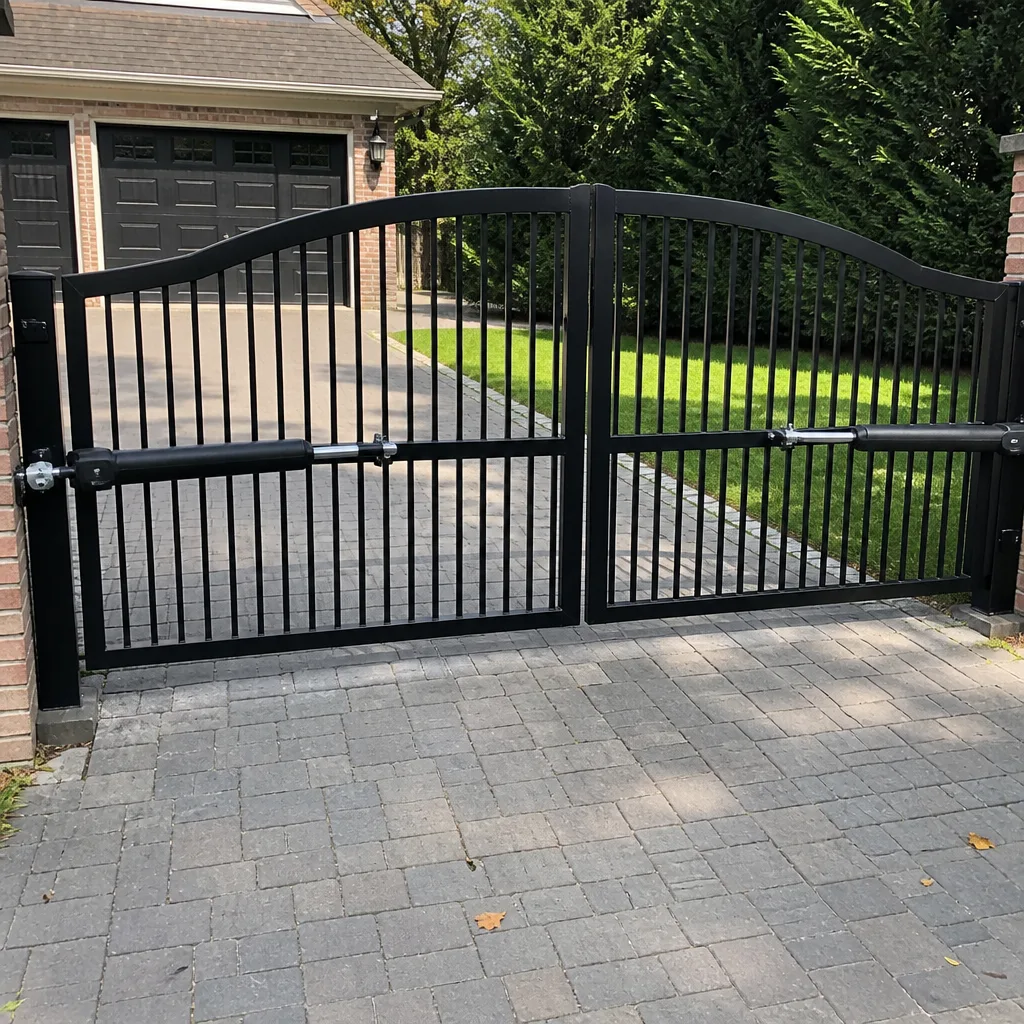 After
AfterFAAC Gate Installation in New York City: What to Know First
FAAC gate installation in New York City costs between $2,800 and $7,400 for most residential jobs, depending on whether it’s a swing or slide operator, the gate’s weight, and whether we’re working from scratch or replacing an existing motor. We’re an independent FAAC service provider - not authorized by the manufacturer, and we tell you that up front - and we can typically complete a standard residential installation in one to two days. Every job starts with a written price before any tool comes off the truck, because that’s how Adrian Vance has run Vance Gate Repair since 2014.
This page is for FAAC owners across New York City who need a gate installed correctly the first time, with documentation of exactly what went in. If you’re looking at a FAAC 770 or 844 operator sitting in a box in your garage, or your old FAAC finally gave out after a decade of Queens winters, call (928) 260-0864 and we’ll put a real person on the line who can talk actual gate mechanics, not a call center script.
How FAAC Products Fail - and How We Fix Them
FAAC builds genuinely solid equipment, but we see the same handful of problems on gate installation jobs across New York City’s five boroughs. Here’s what actually fails, and what we do about it:
- FAAC 770 swing operators burning out release solenoids. The 770 series uses a solenoid-driven hydraulic release that’s exposed to whatever the New York City climate throws at it. After a few winters of freeze-thaw cycles with road salt blowing into the gate posts, that solenoid seizes and the gate won’t release manually. On installation, we seal the release housing properly and document the torque reading so the next person who opens that panel knows what was set.
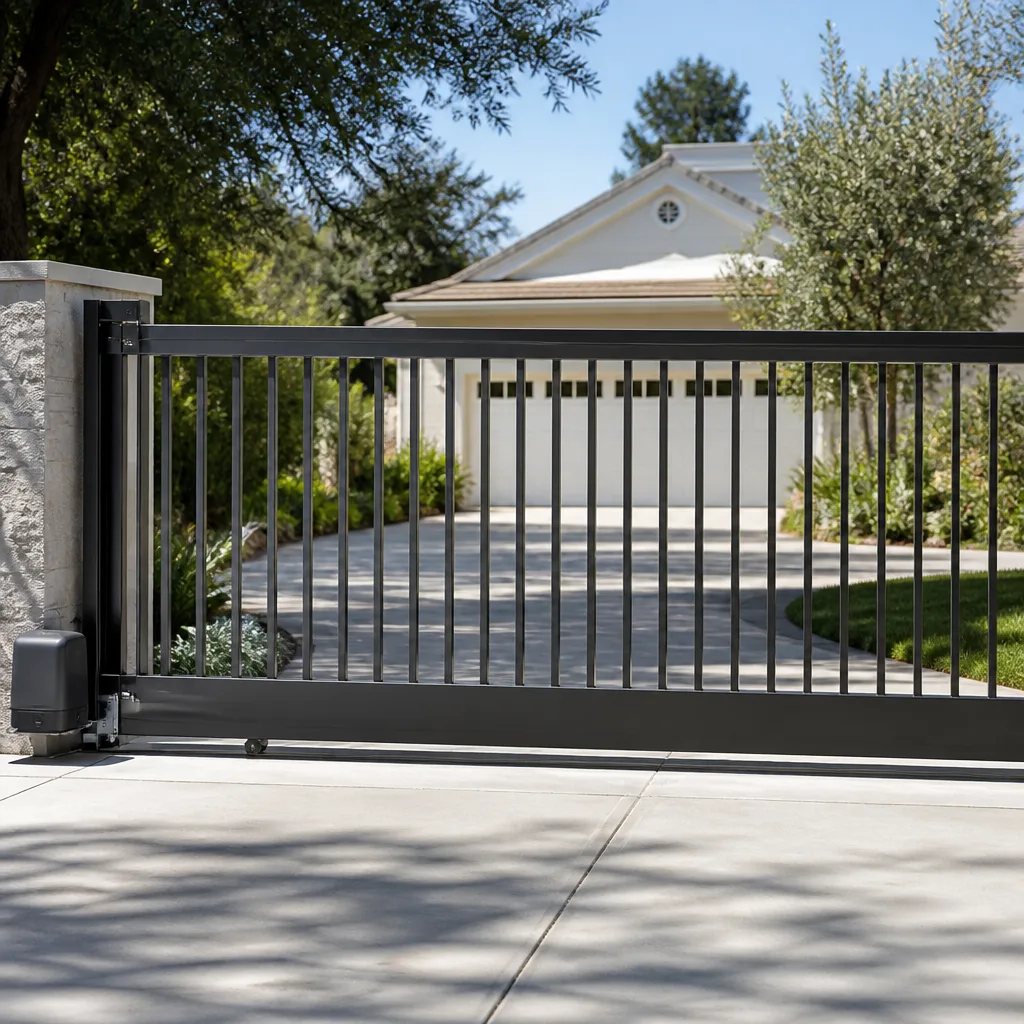
- FAAC S418 sliding gate motors with control board failures from moisture intrusion. The S418 is one of the most common slide operators we install in New York City, and the weak point is the control board enclosure. The factory gasket dries out and curls, water finds its way in, and the board fries. We install a secondary moisture barrier and photograph the board orientation before closing the housing, so a future service call doesn’t require someone to guess where the failed component lived.
- 844 ER series going into constant-learn mode and forgetting limits. The FAAC 844 ER is a self-learning board, and it’s good when it works. But after a power surge from a New York City brownout or a lightning strike in a neighborhood with overhead lines, the board wipes its limit memory and the gate slams into the stops. We install surge suppression on every 844 job and record the limit readings in the documentation packet we leave behind.
- Older FAAC 391 and 481 models with capacitor failures. These units have start capacitors that degrade with age, and when they go, the motor hums but won’t run, or runs slow and labors. A lot of companies quote a full motor replacement for a $60 capacitor. We diagnose the capacitor, test it under load, and replace only what’s actually failed - with the test readings written down.
- FAAC hydraulic pumps losing pressure from internal wear on heavy swing gates. When a FAAC hydraulic unit is paired with a gate heavier than the rating (we see this a lot on custom steel gates in New York City), the pump runs hot and the internal seals score the cylinder walls. It happens slowly, and then one day the gate won’t move at all. We check gate weight and pump rating during installation, and if the match is wrong, we tell you before we install part of a system that’s going to fail early.
Our FAAC Gate Installation Process
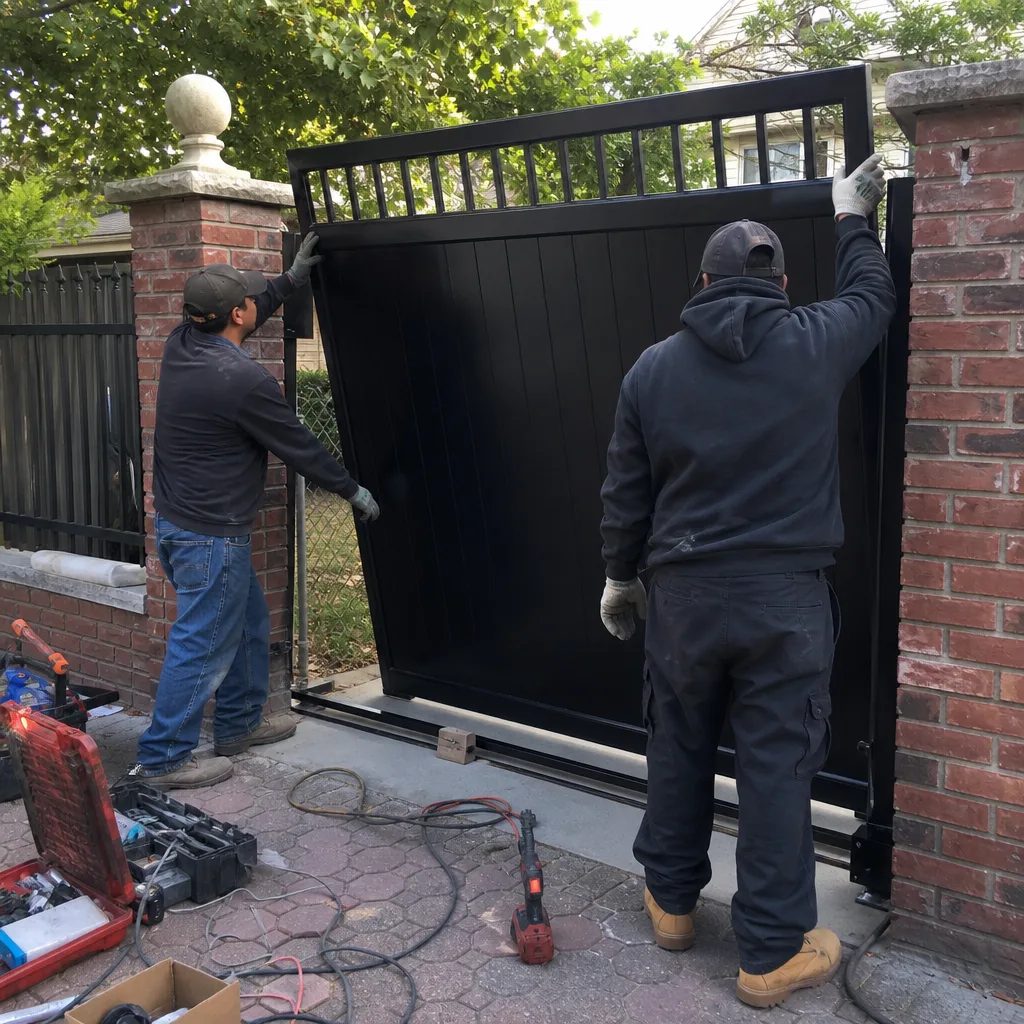
Every FAAC job in New York City follows the same sequence, whether it’s a sliding gate in Staten Island or a swing gate in Brooklyn. Here’s what happens after you call:
- 1
Phone assessment. You reach a live person. We ask about the gate’s weight, material, and existing hardware, and whether you have photos or a model number from the FAAC unit.
- 2
Site visit and written estimate. A background-checked technician comes out, measures the gate, checks the power situation, and hands you a written price - not a verbal range, not a “we’ll see.” This is Haven Standard Clause 1: have it in writing.
- 3
Parts decisions, made with you. We tell you where OEM FAAC parts make sense (control boards, hydraulic pumps) and where a quality aftermarket part matches or exceeds OEM specs for less money (photo-eyes, receivers, some capacitors). You approve everything before we order it.
- 4
Installation day. We mount the operator, run the power, set the limits and force adjustments, and wire in the photo-eyes and any access control you’re adding. On FAAC jobs, we pay extra attention to sealing the enclosure and setting the mechanical stops correctly.
- 5
Testing and documentation. We cycle the gate repeatedly under load, test the obstruction reversal, and then photograph the final wiring, the limit-switch positions, and the installed components. You get a photo log and a written record of every part number before we leave.
- 6
The 365-Day Done Right Promise. If anything we installed fails within one year, we make it right - no argument, no fee. End of story.
BeforeAfterWhat FAAC Gate Installation Costs in New York City
Here’s what we actually charge for FAAC work in New York City. These are flat prices, written down and handed to you before we start, not estimates we revise after the fact:
- FAAC 770 swing operator installation: $2,800-$4,200, depending on gate weight and whether we’re replacing an existing unit or starting fresh with new mounting hardware.
- FAAC S418 sliding gate installation: $3,400-$5,600, including the track hardware and power run. Longer gates and heavier commercial-style frames push toward the top of that range.
- FAAC 844 control board replacement (installed): $580-$920, including the board, installation, and reprogramming to factory settings.
- FAAC hydraulic pump replacement: $1,400-$2,800, depending on whether it’s a 770 or a larger 390/391 series pump and whether the mounting plate needs rework.
- Full FAAC installation from bare posts (operator, photo-eyes, receiver, keypad, power run): $4,800-$7,400, quoted as a single written number before anything is ordered.
What moves the price: gate weight and material, whether you have adequate power at the gate location (running a new circuit adds cost), and whether the existing posts or track are reusable. We never give a quote over the phone without seeing the gate, but the written price you get from the site visit is the price you pay. Call (928) 260-0864 to schedule a free site assessment.
Why New York City Homeowners Call Vance Gate Repair for FAAC Work
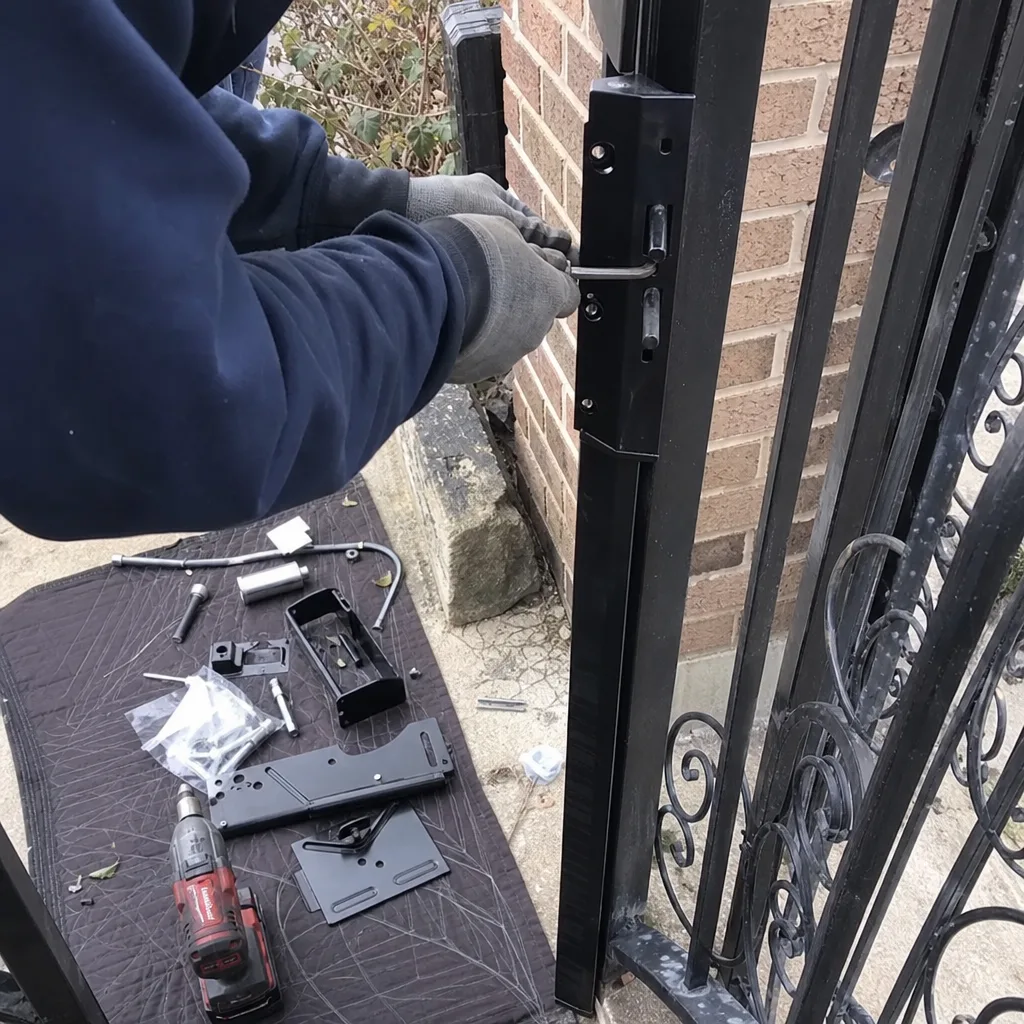
We’re one of the few gate companies in New York City that fixes and installs FAAC equipment without steering you toward a different brand. When a FAAC 770 has a release solenoid problem, we replace the solenoid and document the repair; we don’t push a full operator swap. When a control board fails, we source the board and install it properly. And if you have a second gate with a LiftMaster, Mighty Mule, Ghost Controls, or DoorKing operator on it, our technicians can service that too - we’re not a one-brand operation pretending everything else is obsolete.
The documentation habit comes from Adrian’s years doing commercial access-control work, where every wiring change is recorded and every setting is logged. Your residential gate gets the same treatment. Name what you found. Name what it costs. Name what you left behind. That’s the whole standard, and it applies to every FAAC job we take on in New York City.
FAQs
It can, yes. FAAC’s residential warranty paperwork typically assumes installation by a qualified technician, and improper force-setting or missed mechanical stops are common self-install failures we get called to fix in New York City after the fact. We install to factory specs and document every setting, which keeps your warranty intact and gives you a record if a claim ever comes up. Call (928) 260-0864 and we’ll look at your unit before you mount it.
Almost always yes. We regularly swap failed LiftMaster or Mighty Mule operators for FAAC units on existing New York City gates, and the reverse when the gate’s architecture suits it better. The key work is in the mounting plate, the power run, and setting the mechanical stops to match the new operator’s travel. We’ll tell you in writing whether your existing gate is a good candidate before you spend anything.
For repair-style installations - replacing a failed FAAC operator with a new FAAC unit - we’re typically on site within 24 to 48 hours across New York City. For full installations from bare posts, we schedule within one to two weeks depending on parts availability for your specific FAAC model and whether new electrical work is needed. Either way, you get a date at the time of the site visit, not a vague “sometime next month.”
For control boards and hydraulic pumps, yes - those are the parts where aftermarket copies have the widest reliability spread, and we won’t put a generic control board in a FAAC unit. For photo-eyes, receivers, remotes, and capacitors, quality aftermarket parts often match or exceed OEM specs at half the cost, and we’ll show you the comparison before you choose. Every part number we install goes in your documentation packet, whether OEM or aftermarket.
The 770 is a hydraulic swing operator built for heavier, high-cycle residential gates, and it’s the one we recommend for custom steel driveway gates over 800 pounds in New York City. The 844 ER is an electromechanical unit that’s lighter, less expensive, and perfectly suited to standard residential swing gates under 800 pounds. The wrong match means early wear or a gate that moves too fast or too slow. We measure gate weight before we recommend either one, and we’ll tell you if your preferred model is the wrong tool for the job.
Written by Adrian Vance, Owner, Vance Gate Repair at Vance Gate Repair, serving New York City and nearby areas.