
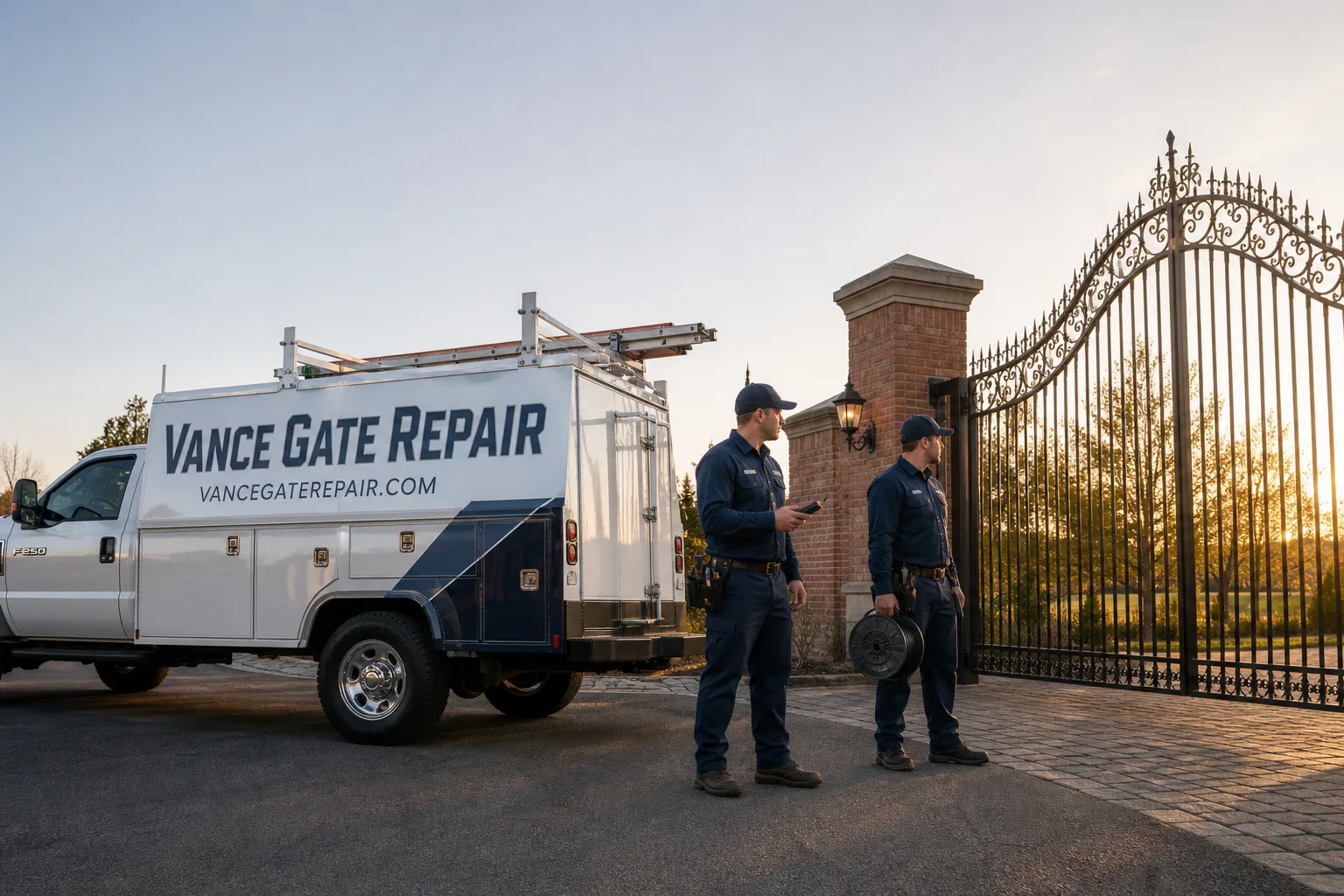
Free on-site gate assessment - hinges, posts, and your LiftMaster or Nice gate operator checked before anything is quoted
The assessment is free and the quote is the invoice.

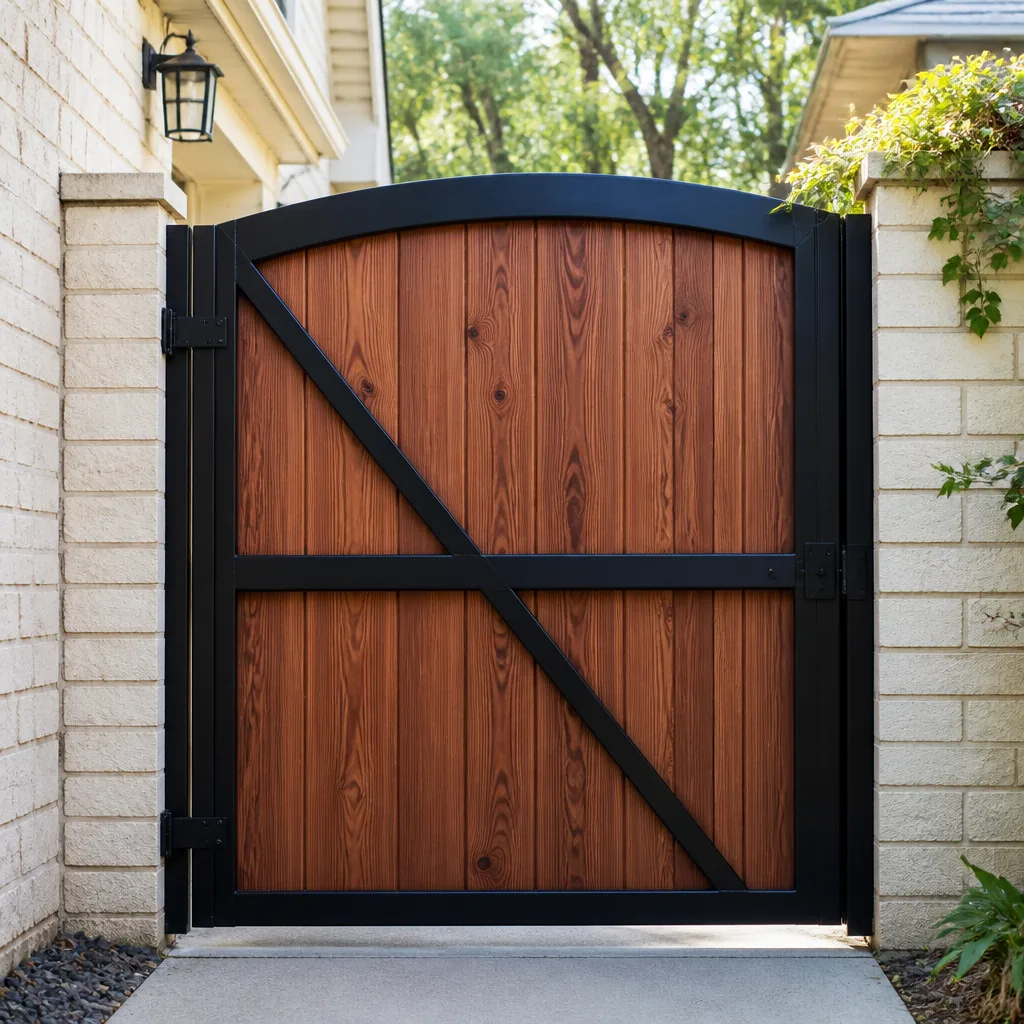
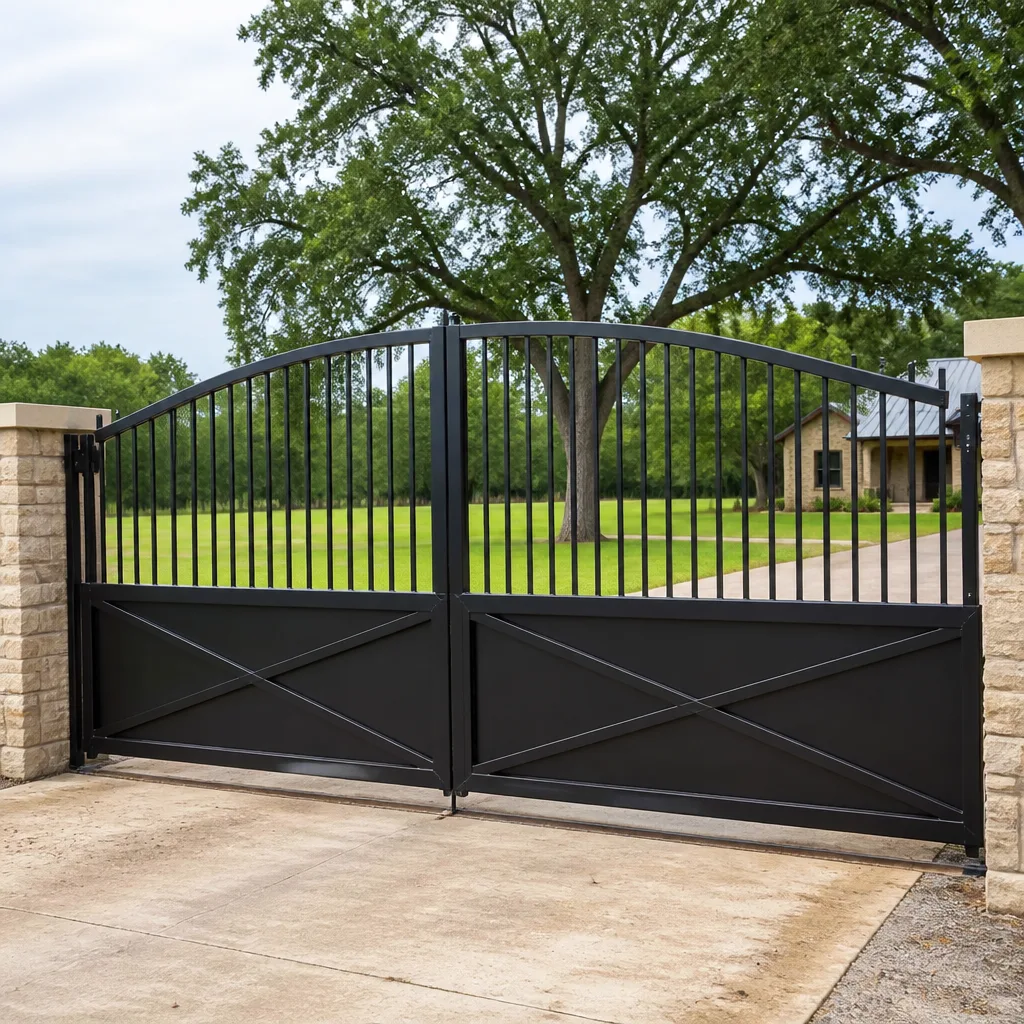
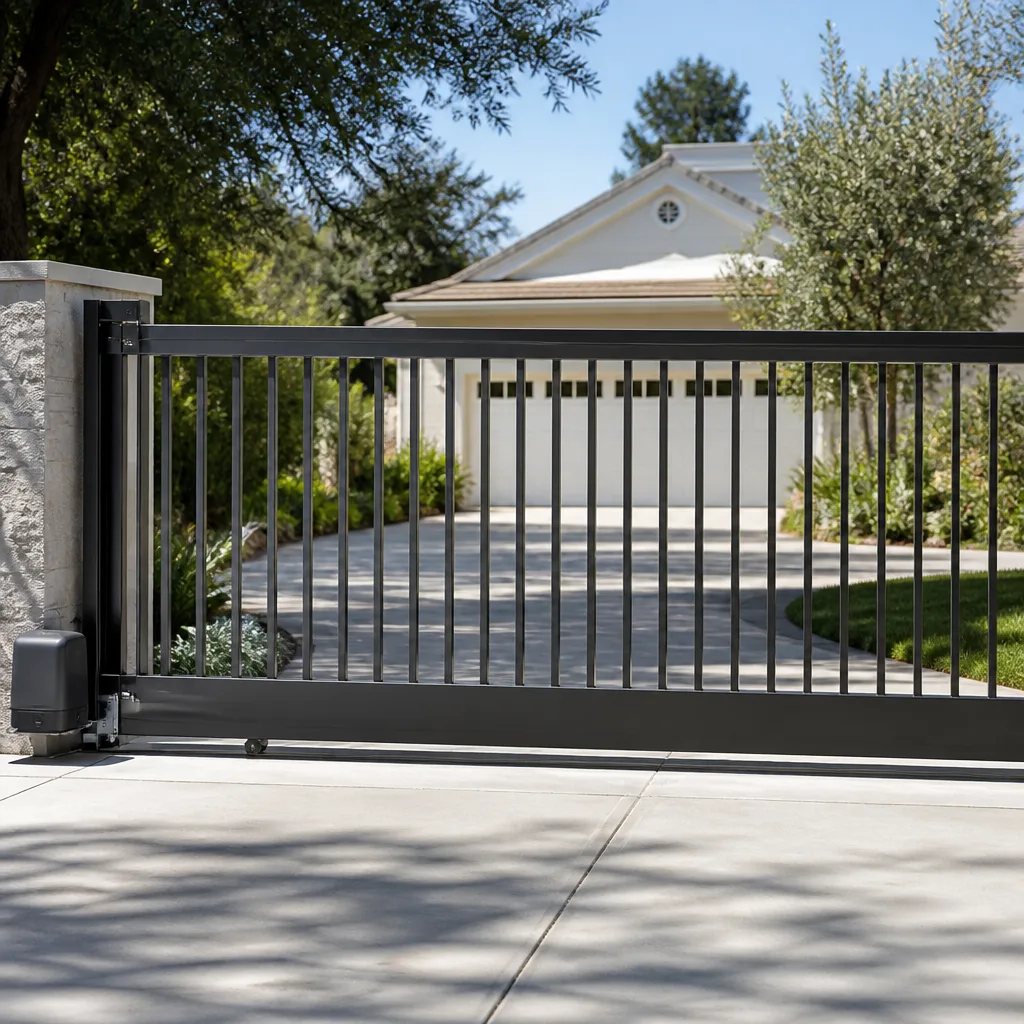
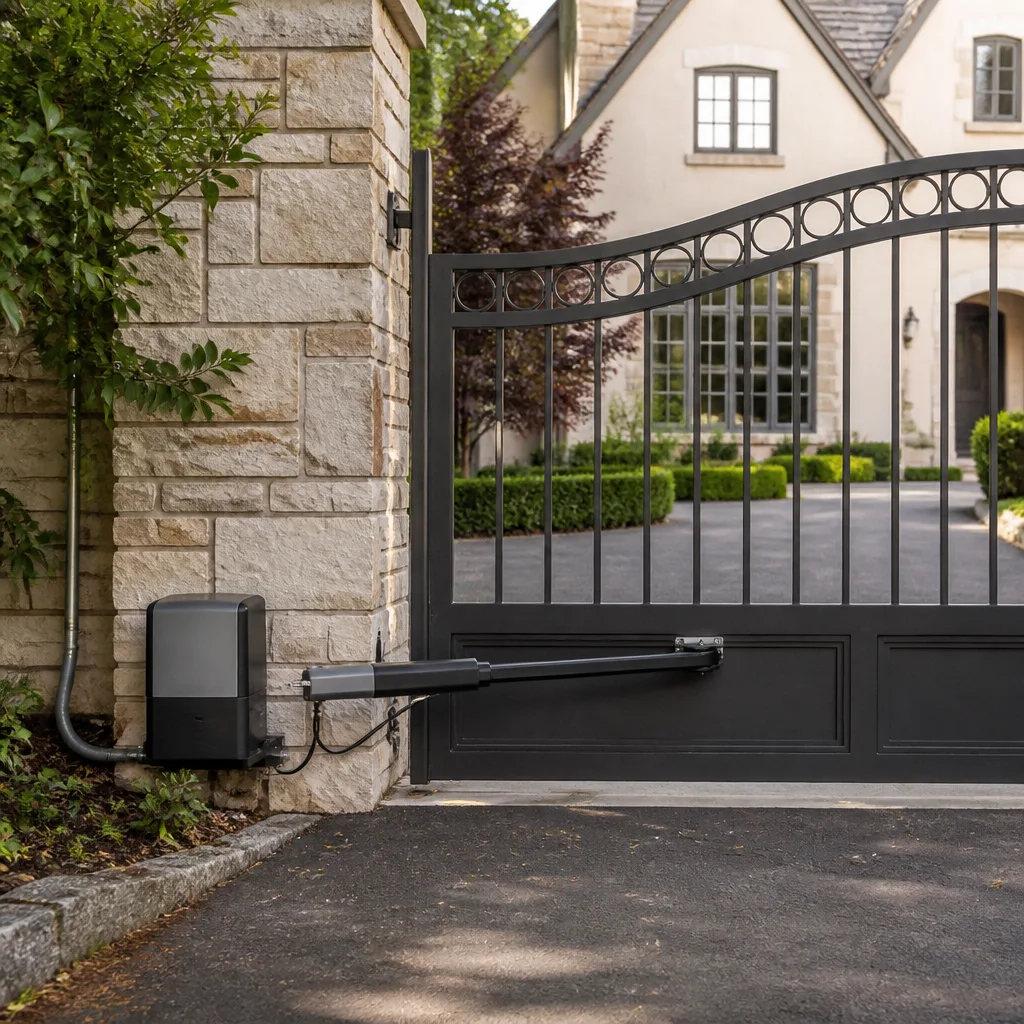
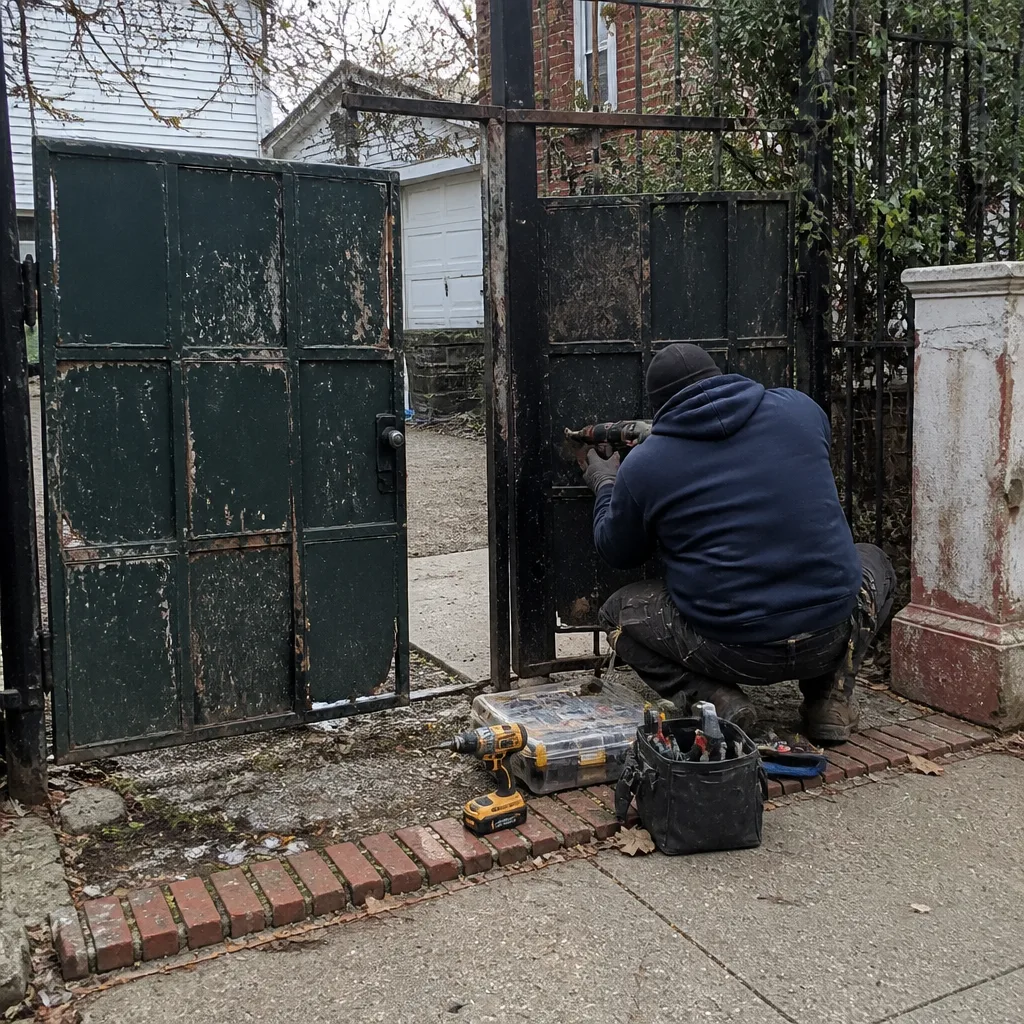 Before
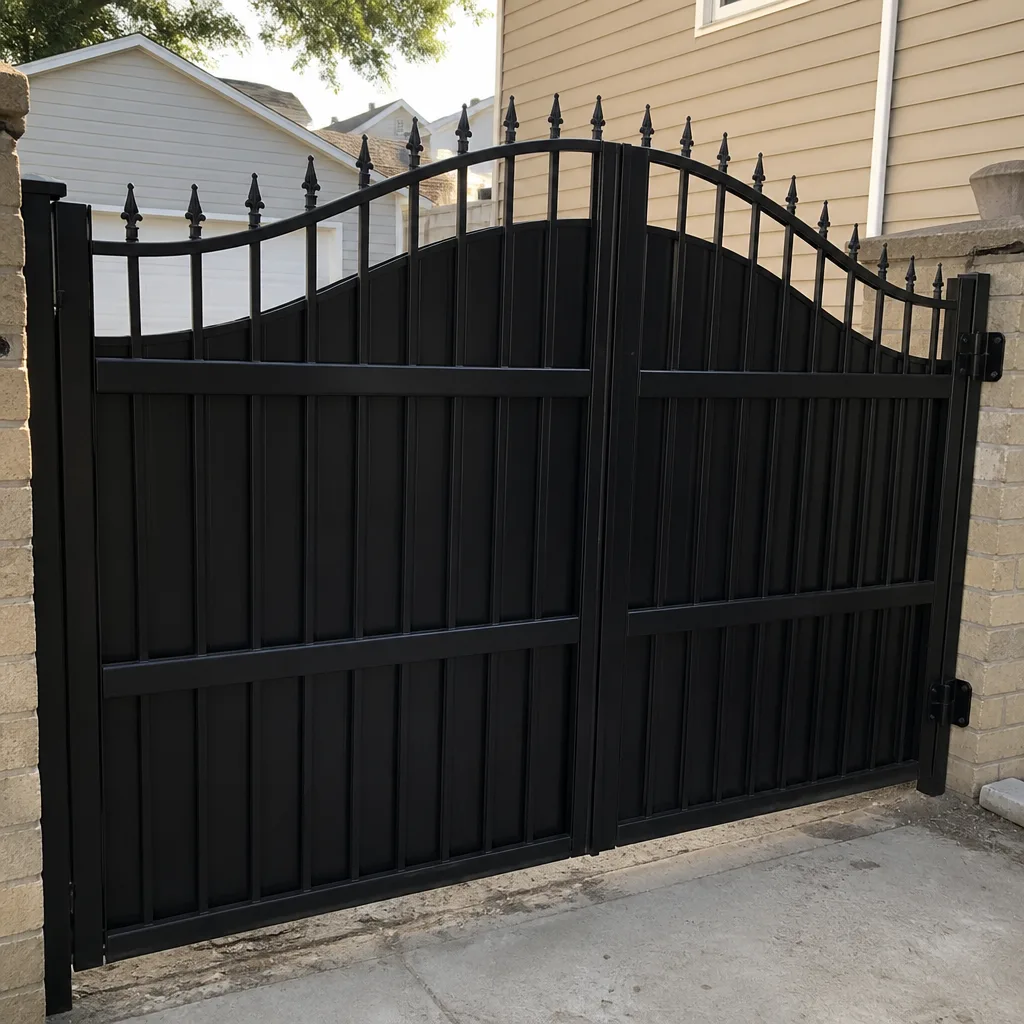 After
After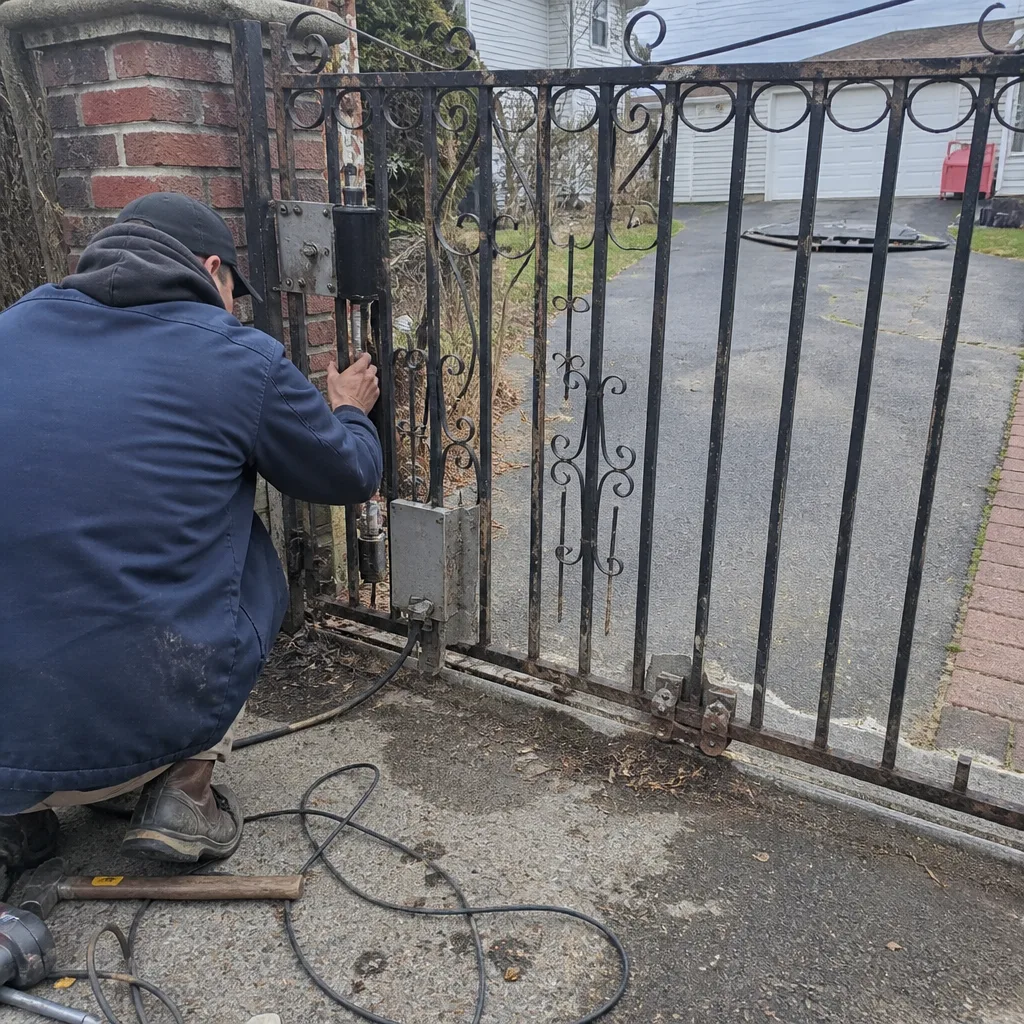 Before
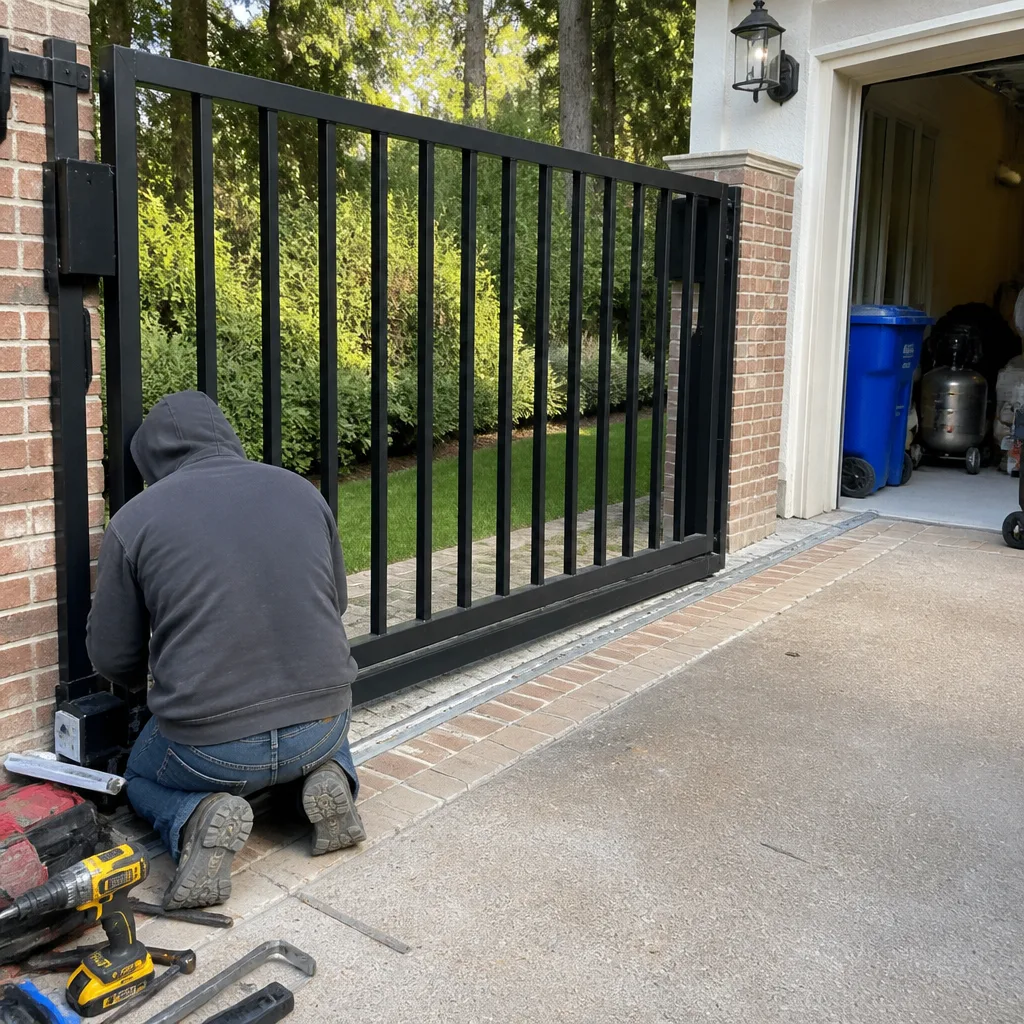 After
After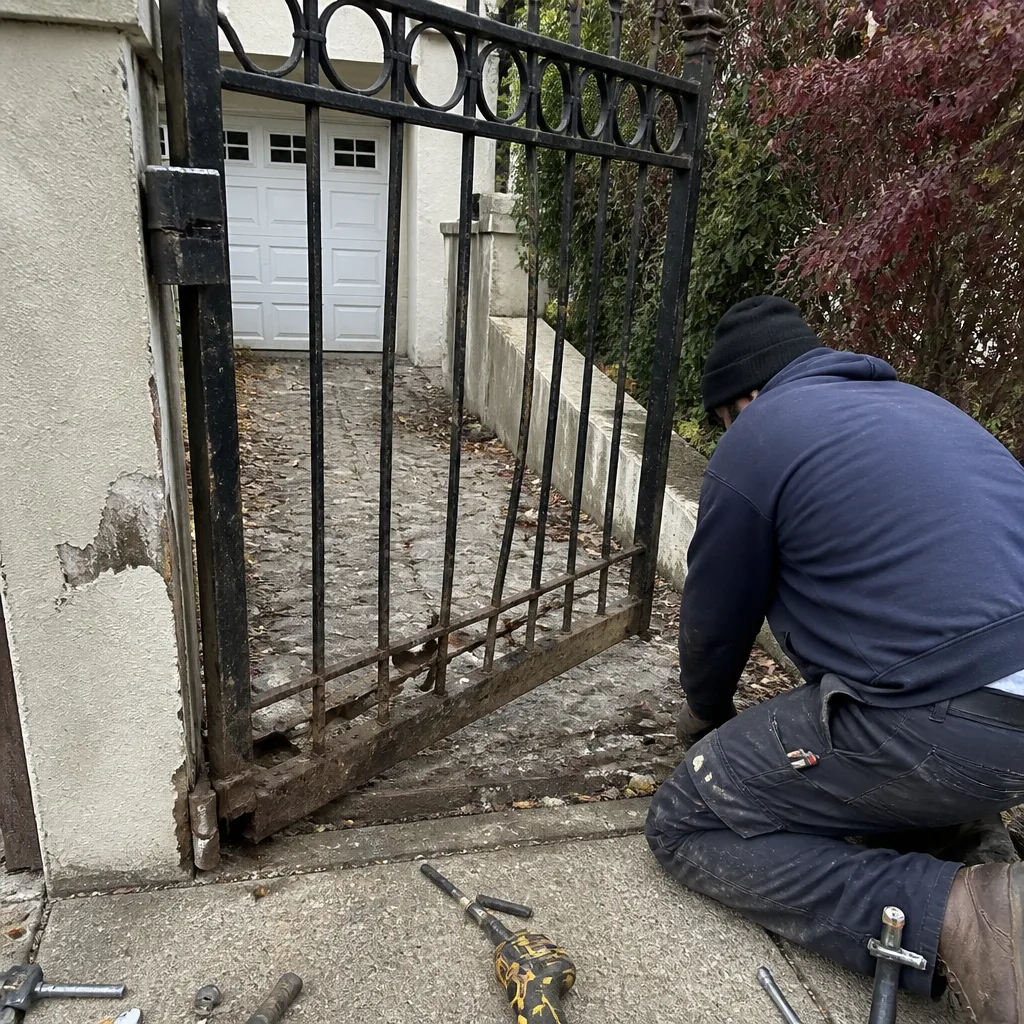 Before
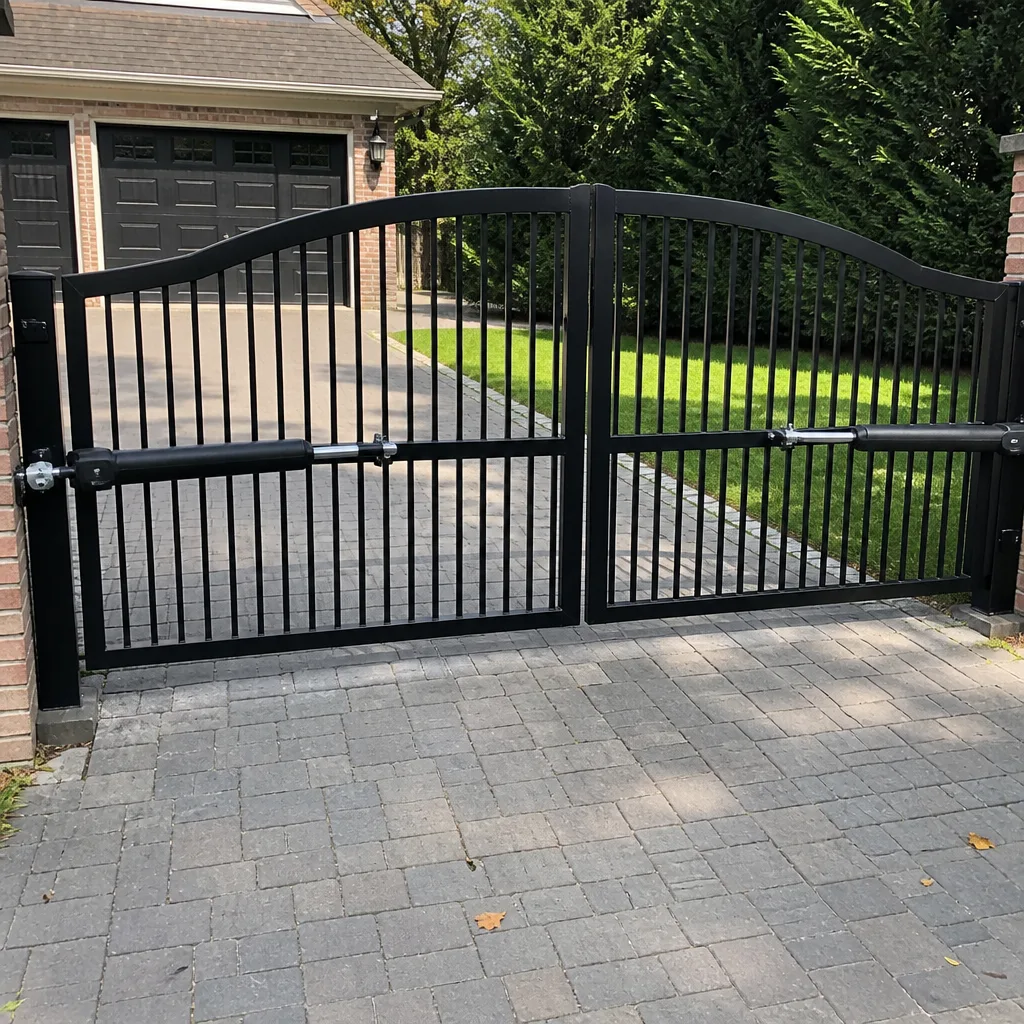 After
AfterGate Opens Partway and Stops
When your gate moves a foot or two and then quits, one of four things is almost always responsible: a limit switch that needs adjustment, an obstruction the motor’s safety sensors detected, a motor that is losing power before the cycle finishes, or mechanical resistance the motor cannot push through. In most cases, a trained technician can diagnose the cause and start the repair in a single visit.
The gate is not broken in some mysterious way. It is doing exactly what it was programmed to do – stopping when it hits a programmed endpoint, a detected obstacle, or a load threshold. The frustrating part is that “partway” is not a useful endpoint. Finding which one of those triggers fired, and why it fired at the wrong position, is the diagnostic work. That is where this page starts.
Why It Happens
1. Limit Switch Out of Position
Every gate motor has a limit switch – or a programmed travel limit in newer digital units – that tells the motor where “fully open” is. If that setting drifts, gets bumped, or was never calibrated correctly after an installation, the motor reads “done” before the gate actually is. You will usually hear the motor hum, the gate stop, and then hear the motor click off cleanly – as if everything went normally. That clean stop with no error light is the tell. The gate thinks it finished.
2. Safety Sensor or Obstruction Detection Triggered
Photo-eye sensors sit near the base of the gate frame and shoot an invisible beam across the opening. If something breaks that beam – a leaf, a spider web, dirt on the lens, a trash can parked too close – the motor stops the gate mid-travel as a safety response. Check both sensor housings for a solid indicator light. If one is blinking or off, that is your obstruction signal. Wipe the lenses, clear the path, and try the gate again before assuming anything mechanical is wrong.
3. Motor Losing Power or Overheating
A gate operator running on a weak transformer, a failing capacitor, or a solar panel that is not keeping the battery topped off will start the cycle fine and then lose drive before the gate reaches its open position. This one tends to get worse over time – the gate opens farther on a cool morning than it does in the afternoon, or behaves differently after the system has sat unused for a few days. If the motor feels warm to the touch after a failed cycle, or if the behavior is inconsistent rather than always stopping at the same spot, power supply is a reasonable suspect.
4. Mechanical Resistance the Motor Cannot Overcome
A hinge that is seizing, a ground post the gate is catching on, a bent arm on a swing gate, or a wheel that has come off the track on a slide gate can all create drag mid-travel that the motor’s torque limit will not push through. Most modern operators cut power automatically rather than burning themselves out. You can often spot this one by manually pushing the gate through its full travel with the motor disengaged – you will feel the binding point, and it will usually be in the same position where the motor was stopping. Do not force a gate that feels stuck. Stop and note where the resistance is.
What to Do Right Now
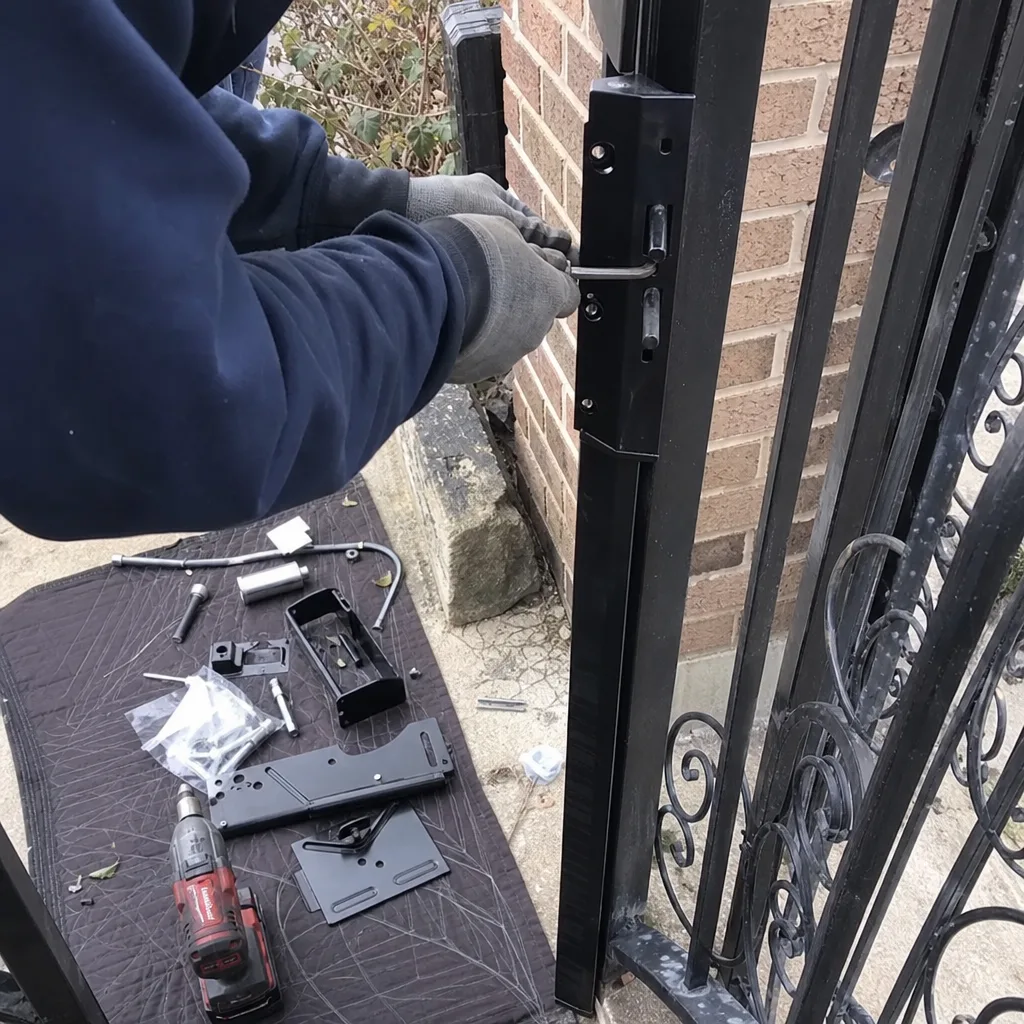
- Stop cycling the gate. Running the motor repeatedly against an unresolved stop point can overheat the operator or stress the mechanical components further. Give it one test cycle to confirm the symptom, then leave it alone until a technician arrives.
- Check the sensors first. Walk both sides of the gate opening and look at the photo-eye housings. Wipe the lenses with a dry cloth. Make sure no object – hose, planter, vehicle bumper – is crossing the beam path. This takes two minutes and occasionally solves the problem on the spot.
- Note exactly where the gate stops. Measure or mark the position. “About halfway” is less useful than “it stops at the second post.” That detail helps the technician check the right calibration point first.
- Photograph the gate in its stopped position and photograph both sensor housings. This takes thirty seconds and gives the technician a starting point before they even touch the equipment.
- Do not reach into the motor housing or attempt to adjust the limit switches yourself. On gates with springs, counterweights, or high-tension hardware, the stored energy is real and release is fast. If the gate is a swing gate with a spring assist, treat that spring the way you would treat any spring under tension: leave it alone and call for a technician.
BeforeAfterHow We Fix It
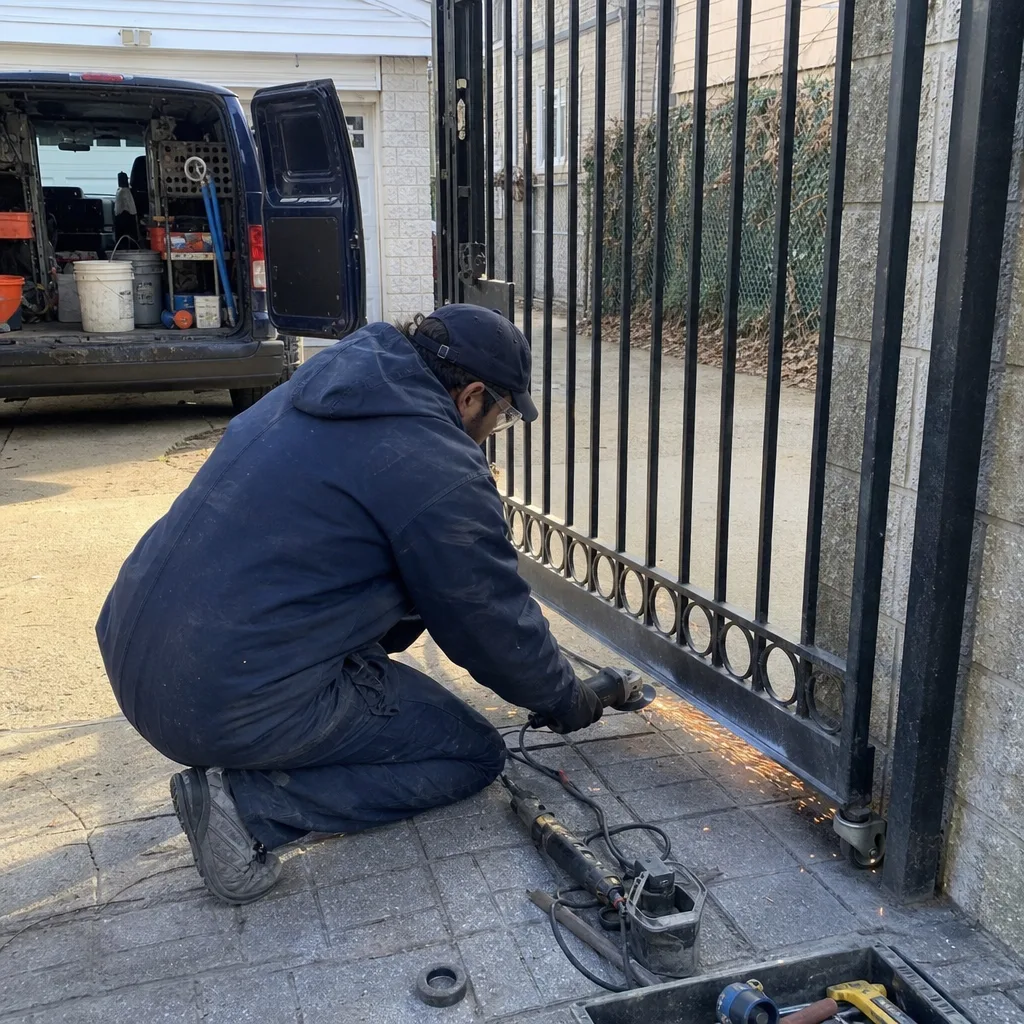
When your local Vance Gate Repair technician arrives, the first thing they do is run a full diagnostic cycle – not just observe the symptom, but measure it. They check limit switch calibration or the digital travel settings in the motor’s control board, test the photo-eye alignment and signal strength, check the power supply voltage at the operator, and physically walk the gate through its range to feel for mechanical drag.
From that inspection, they write a flat price for the repair before any work begins. That is Haven Standard Clause 1 – the price is written and handed to you, and you decide. No work starts without your approval.
Depending on what the inspection finds, the repair is handled under Gate Repair service, and in cases where a hinge, arm, or track component has worn past adjustment, Gate Parts and Welding may be part of the fix. Most visits to address this symptom are completed the same day. When the technician leaves, you receive a photographed record of what was found, what was adjusted, and what was replaced – filed in the job record and left with you. The completed work carries the 365-Day Done Right Promise: if it is not right within that year, we make it right, no additional charge.
Frequently Asked Questions
Yes, continuing to operate it can make the problem worse and, depending on the cause, can create a genuine safety risk. A gate cycling against a binding hinge or a miscalibrated limit puts repeated stress on the motor and the mechanical components. More importantly, a gate that stops unpredictably is not a gate you want to walk or drive through on a routine basis. Stop using it for regular access and call (928) 260-0864 to get a technician out.
It depends on whether the gate is stuck open or stuck in a partial position. A gate stuck open is a security problem that gets worse with every hour – your property is exposed. A gate stuck partway closed is less urgent but should not wait more than a day or two, because the root cause rarely corrects itself and often progresses. Call (928) 260-0864 and a live person will assess the situation with you and get your local team scheduled.
Call (928) 260-0864 and ask – a live person answers that call right now, around the clock. Your local Vance Gate Repair team handles repair calls and will let you know when they can be there. We do not run a voicemail queue or a callback window. Someone picks up, and you get an actual answer.
The honest answer is that the cost depends on what the diagnostic turns up – a limit switch calibration is a different scope than a hinge replacement or a motor repair. What we can tell you is that before any work starts, your technician writes a flat price, hands it to you, and waits for your approval. No work begins until you have that number in writing. Call (928) 260-0864 or book online to schedule the free inspection and get a written estimate specific to your gate.
Get It Fixed
Call (928) 260-0864 – a live person answers right now, any hour. Your local Vance Gate Repair team will schedule the visit, arrive with a written price before any work starts, and leave a documented record when the job is done. Book online if you prefer – either way, your gate gets a real fix.
Written by Adrian Vance, Owner at Vance Gate Repair, serving communities nationwide since 2014.
What Our Customers Say
"Gate had been dragging for a year. They photographed the bent hinge post, explained why the operator kept faulting, and gave me a fixed price to correct both."
- Terrence B."They installed the opener and left me a diagram of the wiring and the limit settings. When I needed a second remote programmed I could do it myself."
- Nadine C."The safety loop had never been installed correctly by the previous company. They showed me the reading, fixed it, and did not charge me for the diagnosis."
- Patrick H.