
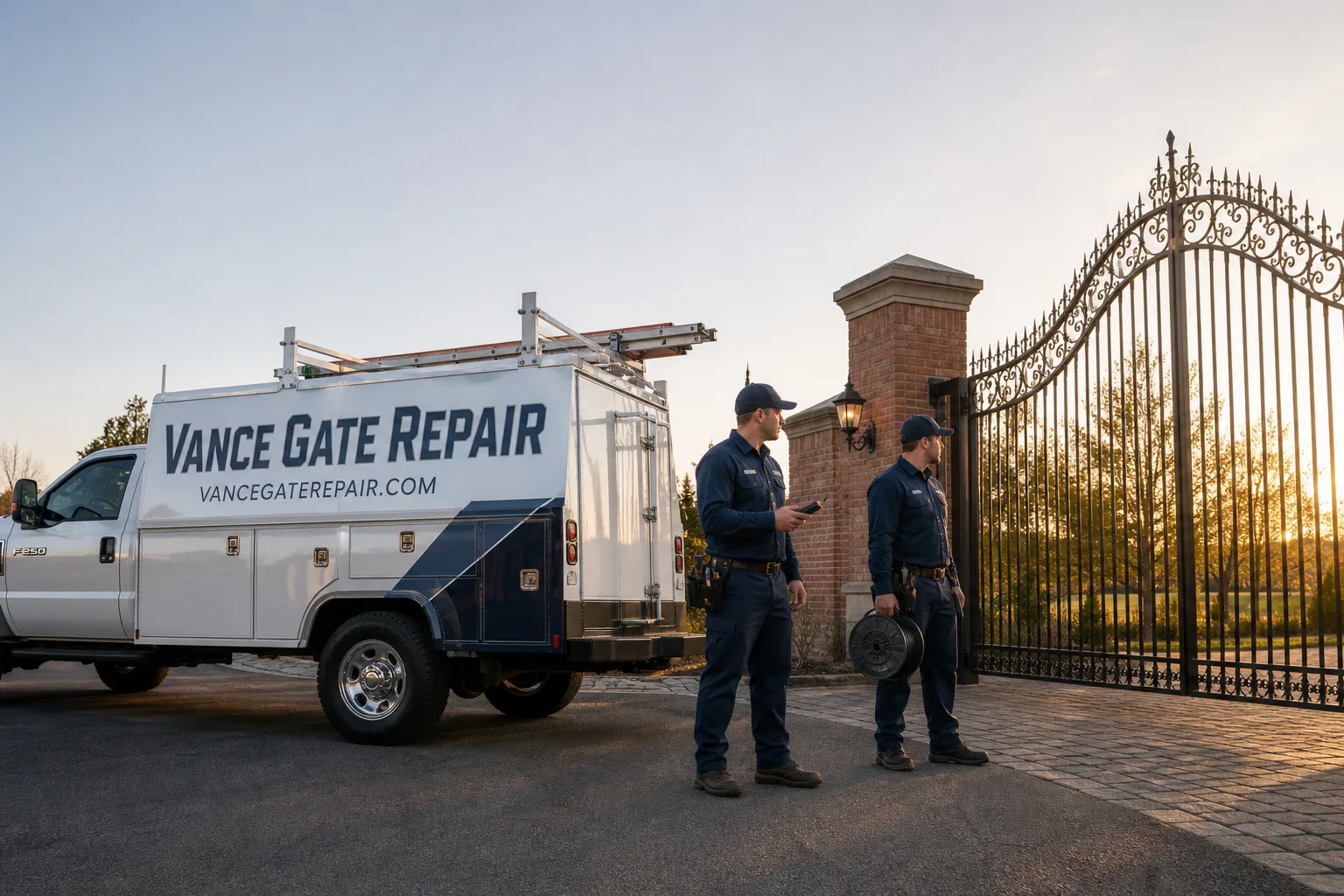
Free on-site gate assessment - hinges, posts, and your LiftMaster or Nice gate operator checked before anything is quoted
The assessment is free and the quote is the invoice.

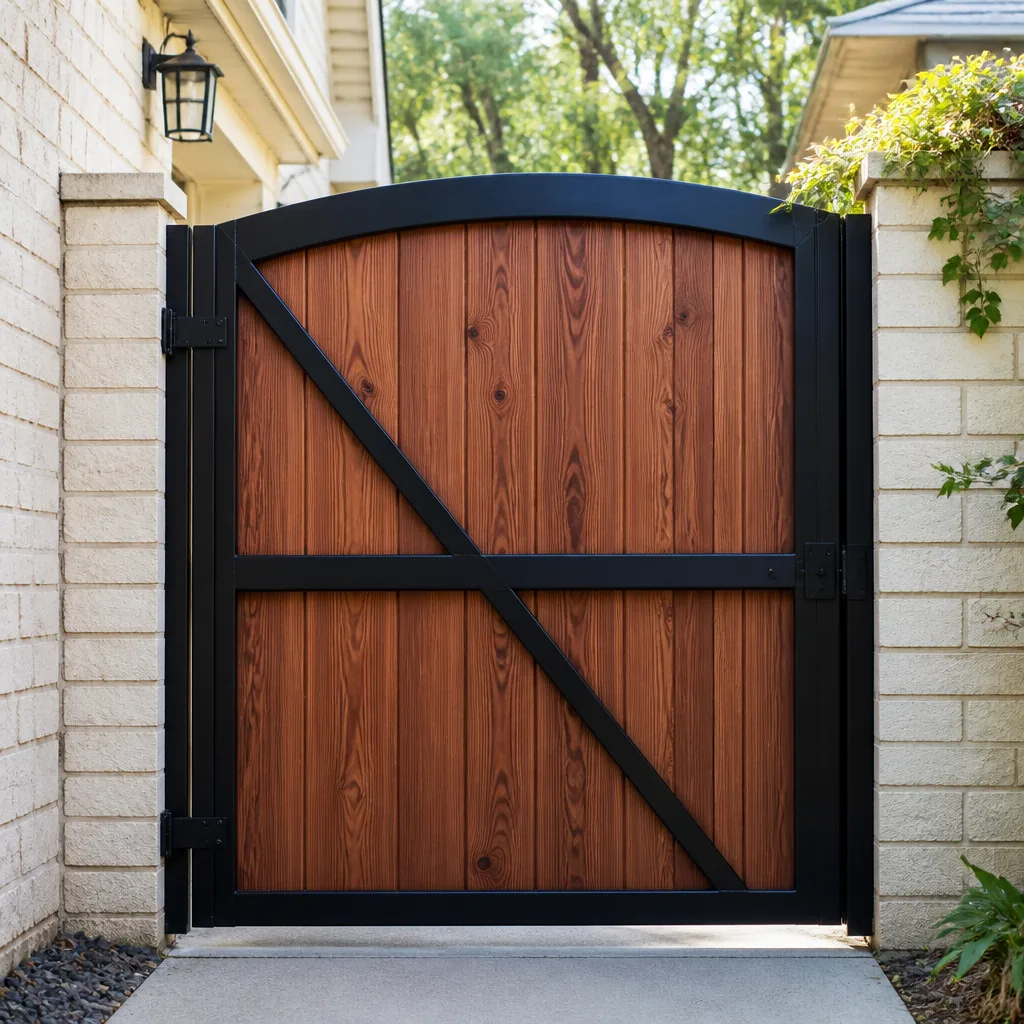
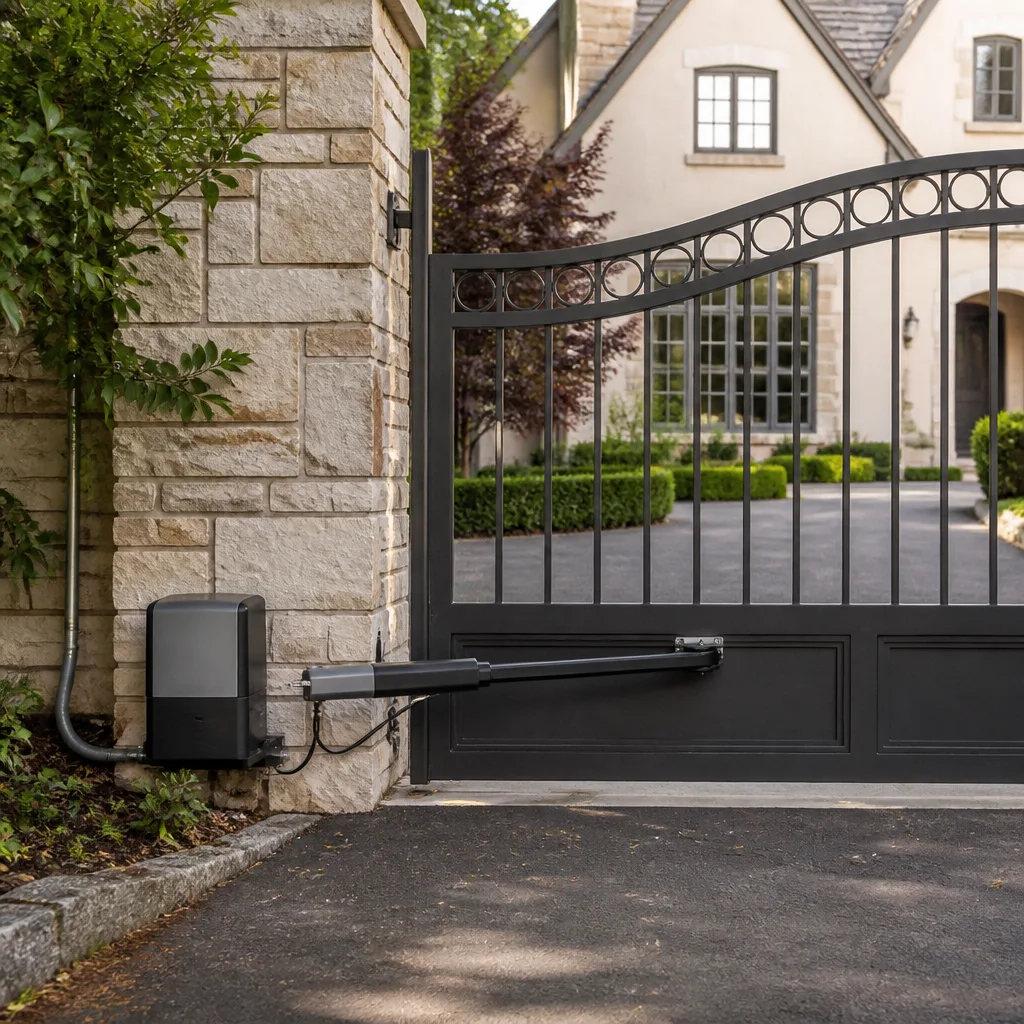
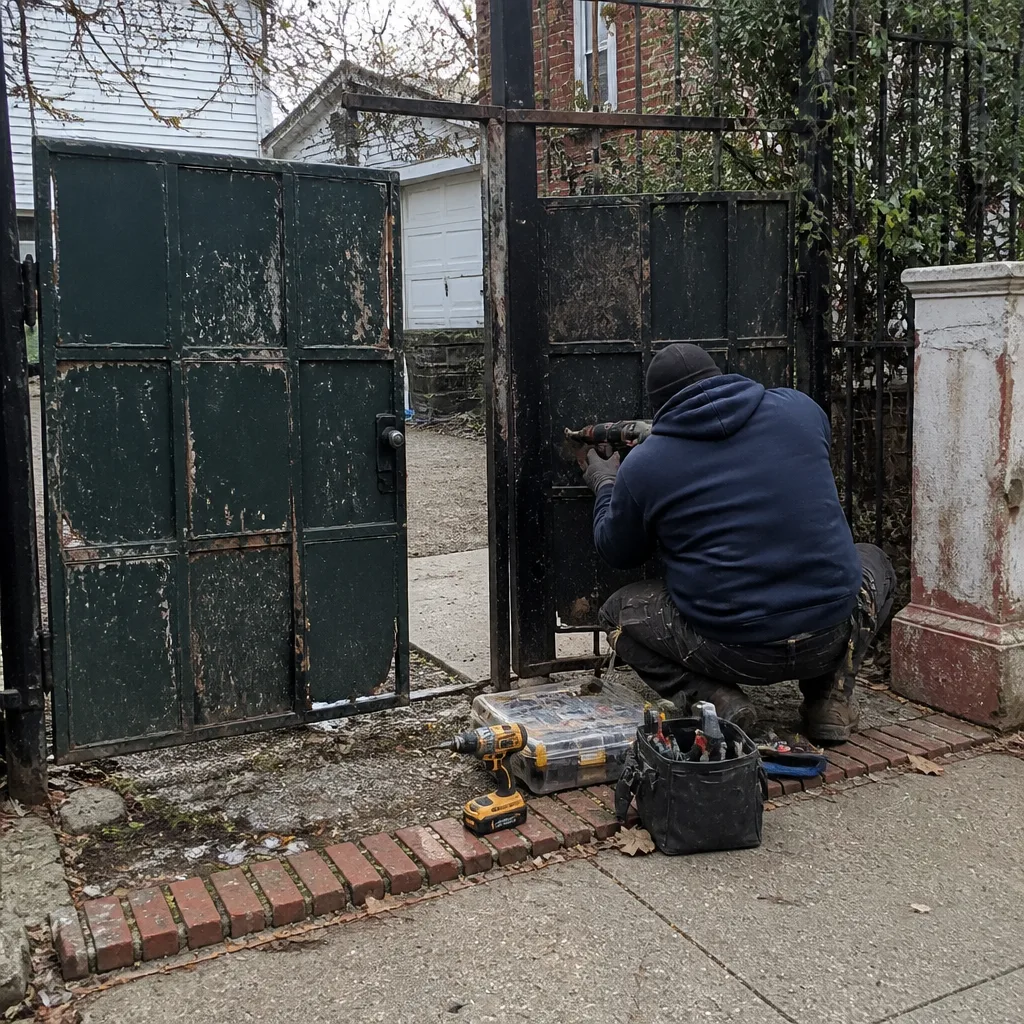 Before
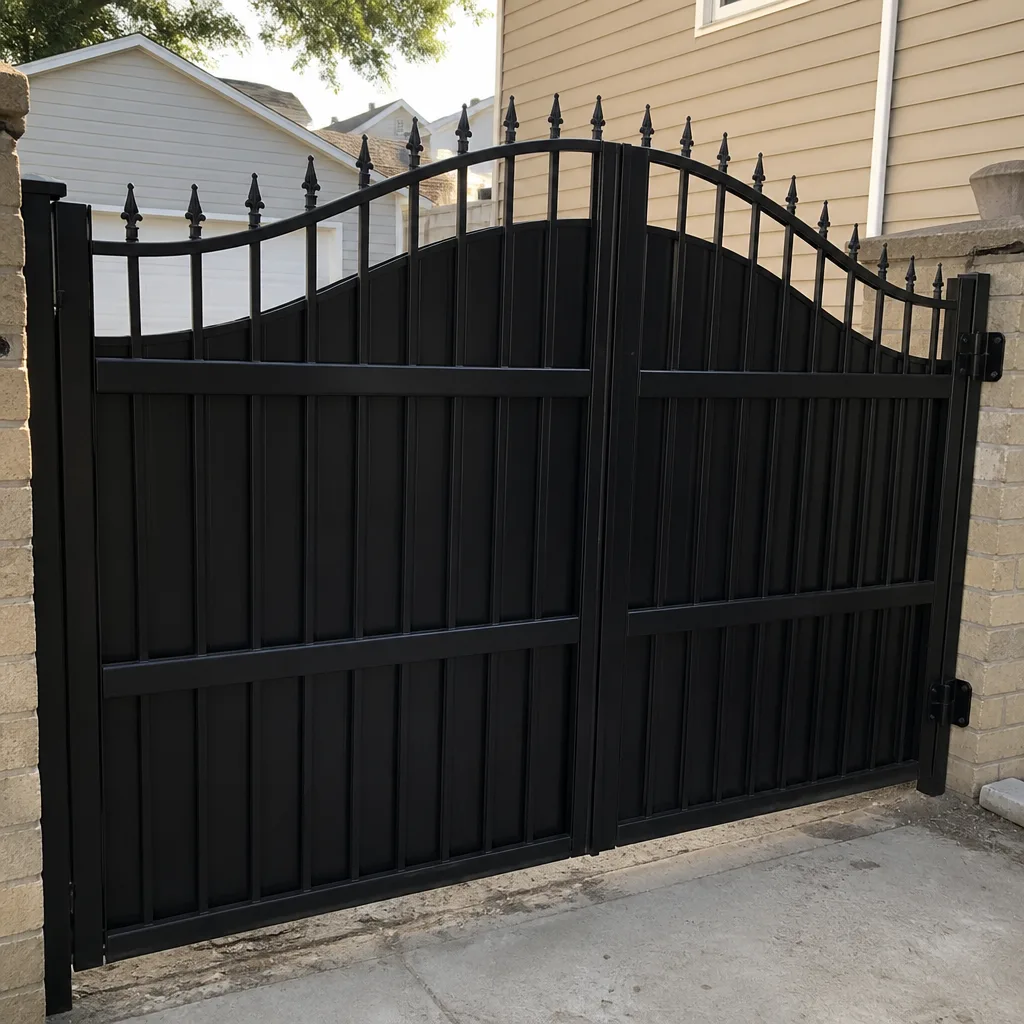 After
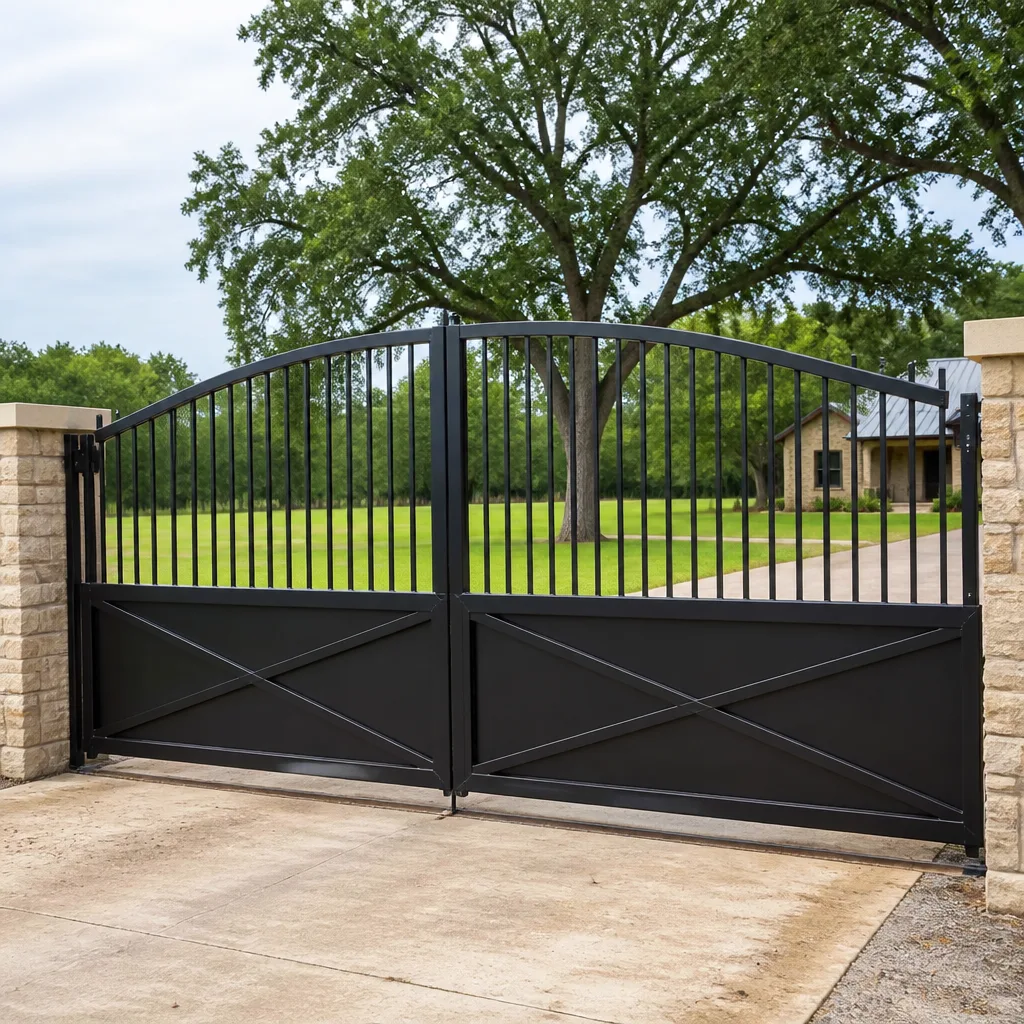
After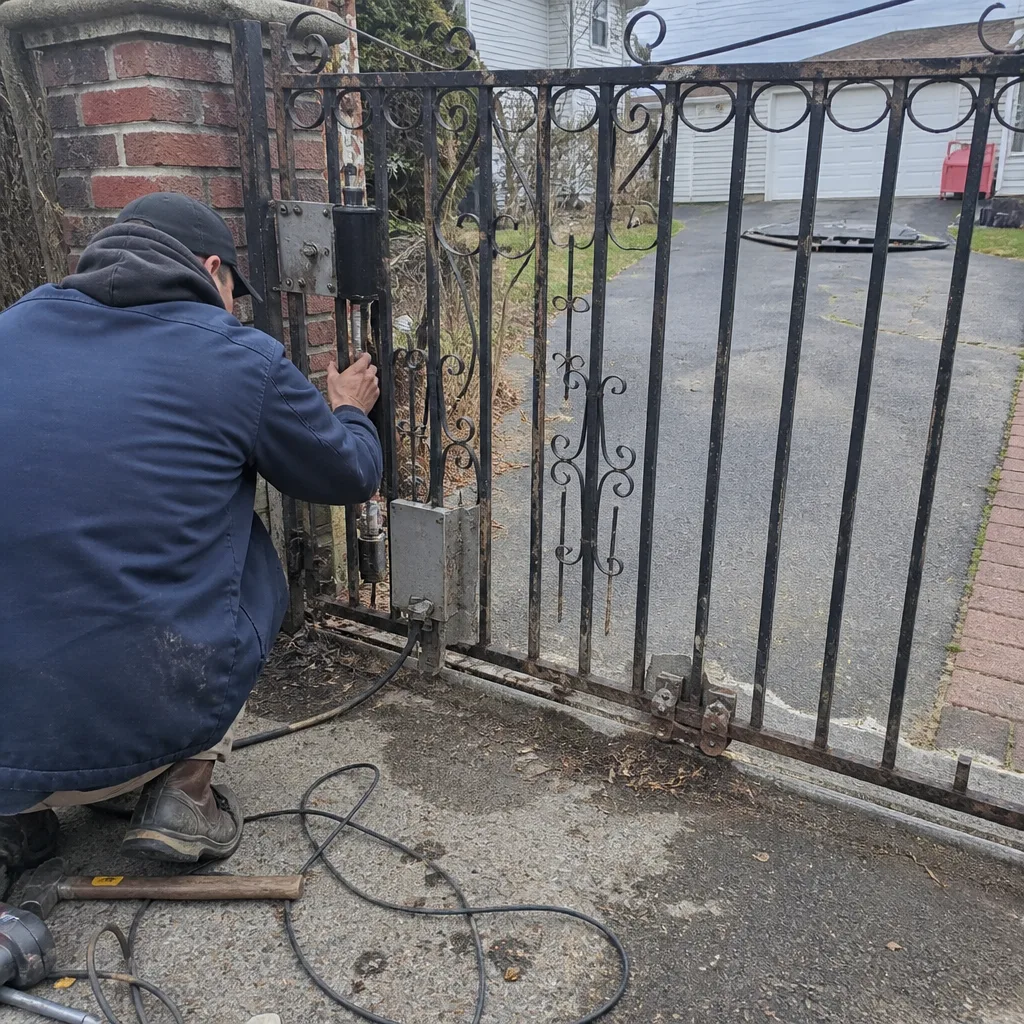 Before
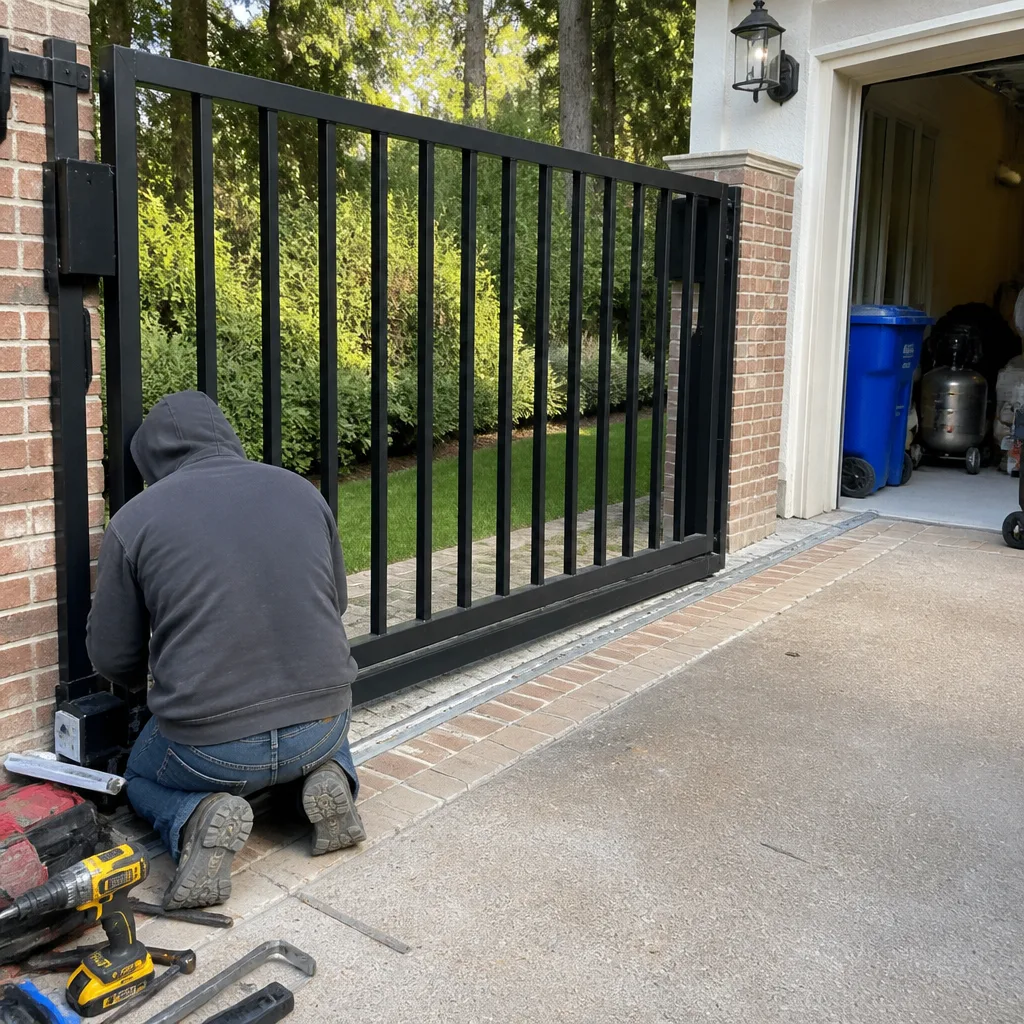 After
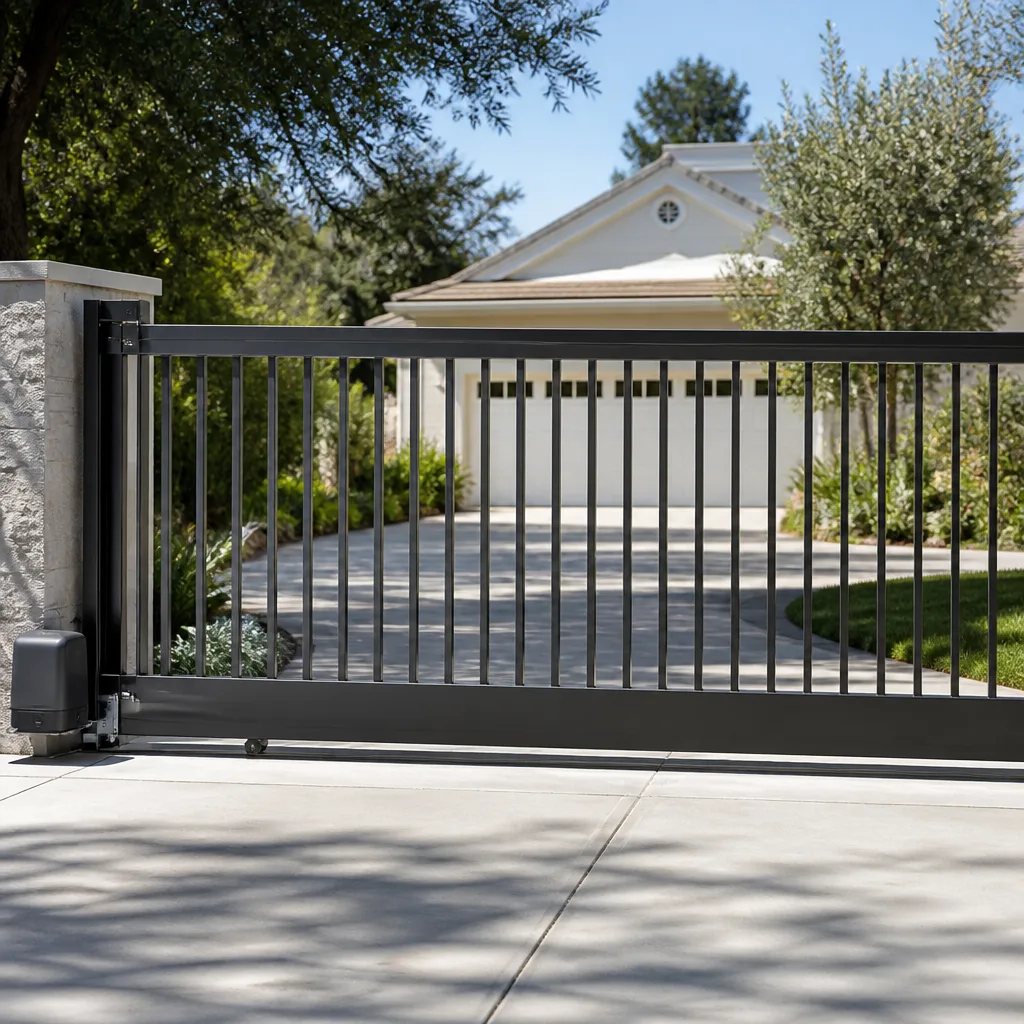
After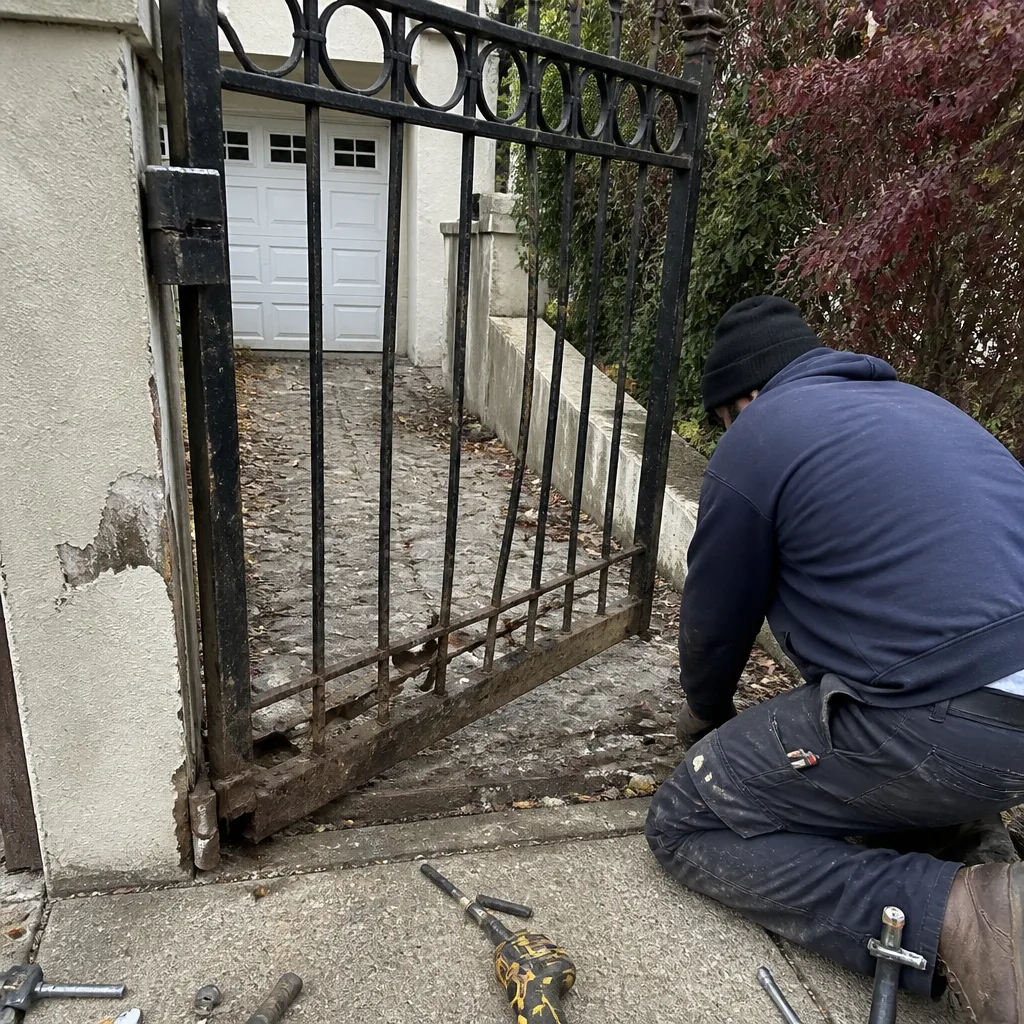 Before
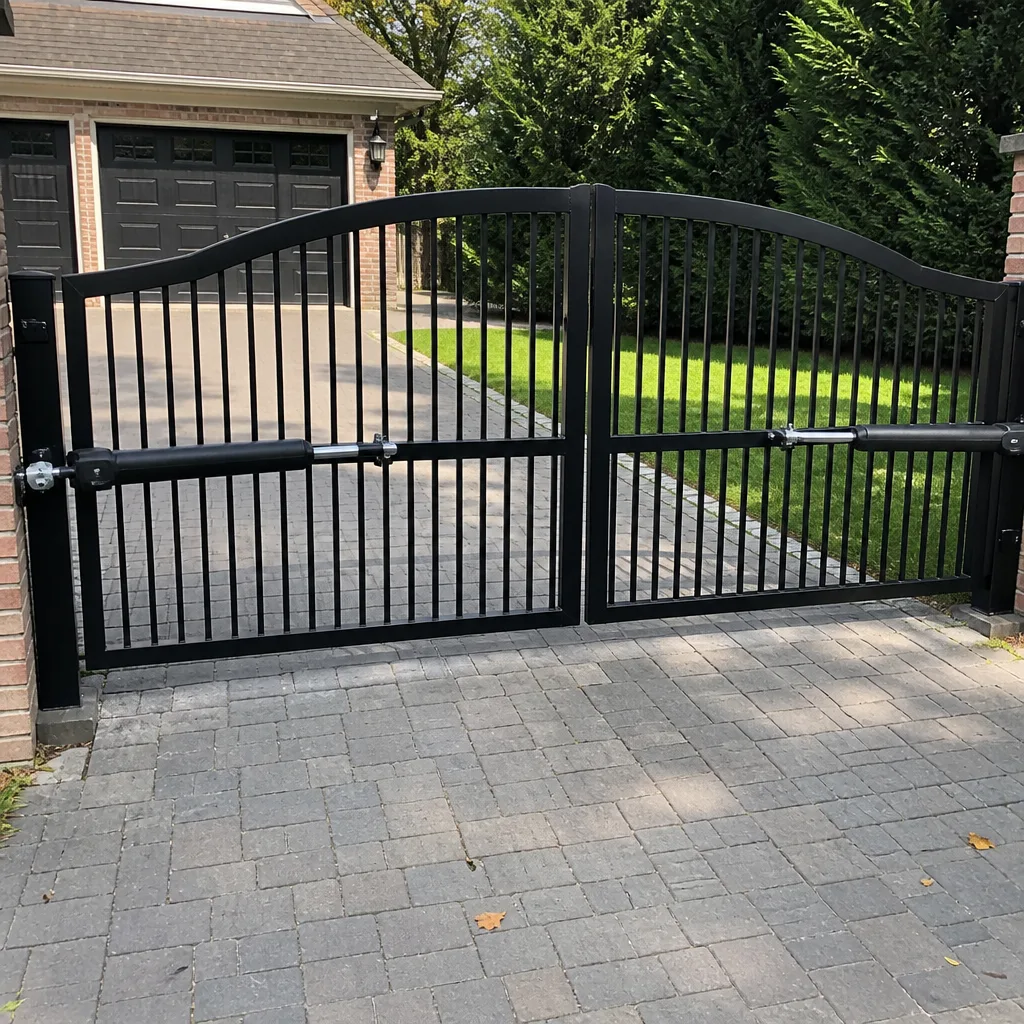 After
AfterBuzzing but Not Moving
A gate that buzzes but won’t move almost always means the motor is receiving power but something is blocking it from turning – either a mechanical obstruction the motor can’t overcome, a failed capacitor that can’t give the motor the torque it needs to start, or a seized rack, chain, or arm assembly. The motor is alive; the problem is in what it’s trying to move, or in its own ability to push through the load.
That buzz you’re hearing is the motor winding energizing. It’s trying. It’s just not winning. In most cases the gate hasn’t failed completely – it’s stuck at the point where electrical effort meets mechanical resistance, and something in that chain has given out. That’s actually useful information: the control board is working, the wiring to the motor is intact, and the problem is almost certainly mechanical or component-level rather than a full system failure. That narrows the diagnosis considerably, and in most cases your local Vance Gate Repair team can identify the cause on the first visit.
Why It Happens
1. Failed or Weak Capacitor
The capacitor is a small cylindrical component inside the motor housing that delivers the burst of energy the motor needs to break inertia and start moving. When it weakens or fails, the motor hums – sometimes loudly – but can’t generate enough torque to actually turn. If your gate started slowly over the past few weeks before stopping altogether, or if it works fine when cool but quits after sitting in afternoon sun, a failing capacitor is the most likely cause. You’ll often hear a deeper, labored buzz rather than a quick snap of sound.
2. Mechanical Obstruction or Seized Drive Component
Rack-and-pinion gates, chain-drive gates, and articulated arm systems all depend on lubricated moving parts. When grease dries out, debris packs into the rack teeth, or a drive arm pin seizes, the motor hits a wall it can’t push past. Walk the gate’s travel path and look for a foreign object, a fallen branch, or a section of rack that’s visibly caked with grit. If the gate moves an inch or two and then locks, the obstruction is likely near the spot where it stops.
3. Gate Off Track or Hinge Failure (Swing Gates)
On swing gates, a failing hinge or a post that has shifted after ground movement can create enough drag that the motor simply can’t overcome the friction. The gate may have drifted downward – if one corner is dragging the driveway surface, that’s the tell. On sliding gates, a wheel that’s come off the bottom track creates the same result: the motor runs, but the gate is essentially trying to drag itself across concrete. Don’t keep pressing the remote; forcing a seized or dragging gate can burn out the motor.
4. Limit Switch or Logic Board Conflict
Most gate operators use limit switches or magnetic sensors to tell the motor where “open” and “closed” are. If a limit switch slips out of position – which happens after vibration, hard stops, or cold-season ground movement – the control board may think the gate is already at its endpoint and cut torque immediately after starting. The result is a buzz, a brief attempt, and then nothing. This is harder to diagnose visually, but if the gate worked fine until one specific day and nothing else changed, a limit switch is worth checking before assuming the motor is done.
What to Do Right Now
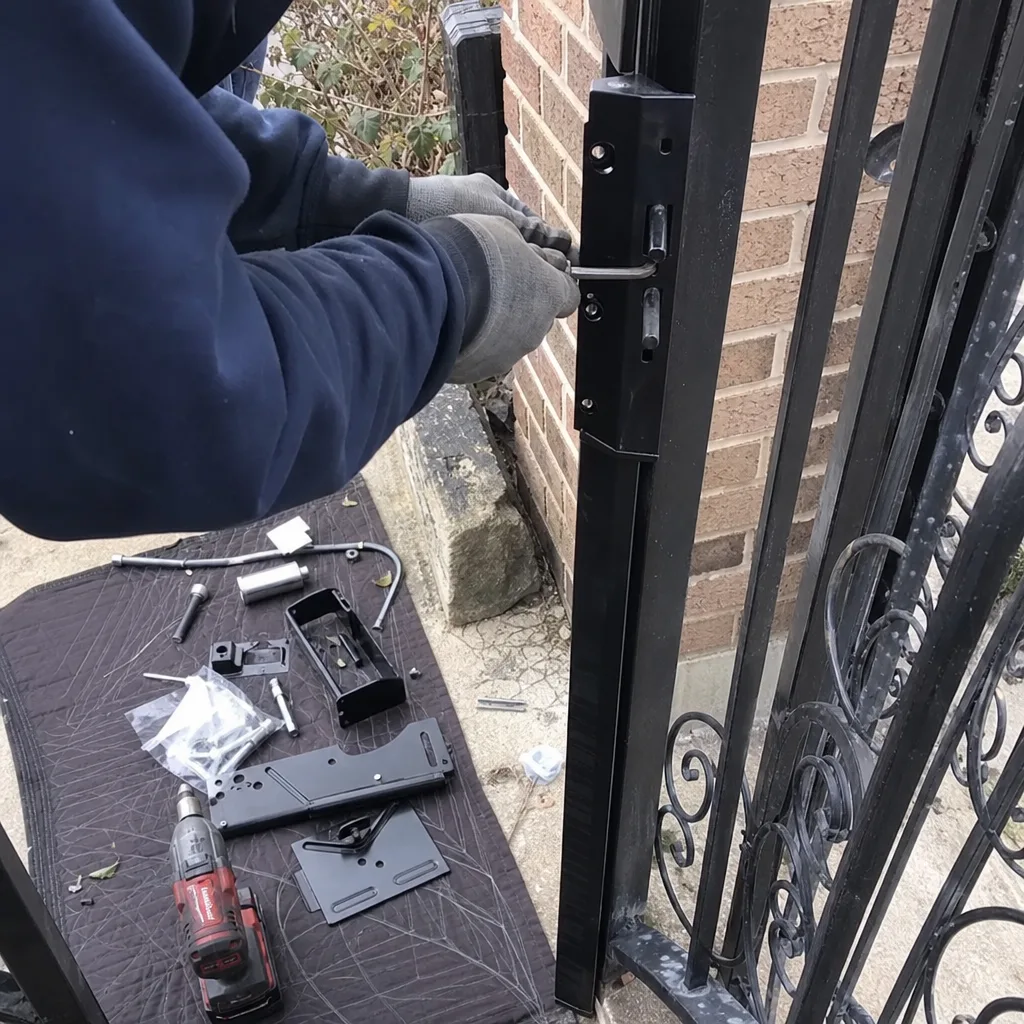
- Stop pressing the remote repeatedly. Each attempt drives current through a motor that can’t turn, and that heat accumulates. A few failed starts are diagnostic; ten in a row can damage the motor windings or the capacitor further.
- Disengage the manual release and move the gate by hand if it’s safe to do so. Most operators have a quick-release lever or key-lock bypass. If the gate slides or swings freely by hand, the motor or drive assembly is the problem. If it won’t move by hand either, the mechanical obstruction or hinge failure is the issue. Do not force it.
- Walk the travel path and look for debris, a dragging corner, or a section of track that’s shifted. Remove any obvious object – a rock, a branch, a piece of broken rack tooth. Photograph what you find before you touch it; that photo is useful for the technician.
- Do not attempt to open the motor housing yourself if you haven’t done it before. Capacitors hold a charge even when the unit is unplugged and can deliver a serious shock. If you suspect an internal component, leave the housing closed and describe what you hear to the technician when you call.
- Photograph the motor unit, the drive assembly, and any visible damage. A clear photo of the rack condition, the arm position, or a dragging hinge gives the technician a head start and is part of the evidence record your local Vance Gate Repair team documents on every visit.
BeforeAfterHow We Fix It
When a technician from your local Vance Gate Repair team arrives, the first step is a hands-on diagnostic: manual release test, visual inspection of the drive assembly, and a check of the capacitor with a meter. That takes roughly fifteen to twenty minutes and tells us whether we’re looking at a part swap, a mechanical adjustment, or a motor replacement.
If it’s a capacitor, the repair is fast – the component is stocked on most service vehicles and the swap is straightforward. A seized rack or hinge needs cleaning, lubrication, and possibly a worn section replaced; if a component needs to be sourced, we’ll tell you that before any work starts. Limit switch recalibration is done on-site with no parts needed.
Every service call is covered under our Gate Repair and Gate Motor and Opener services. Before anything is touched, you get a written price – flat, itemized, handed to you in writing, as required under Haven Standard Clause 1. No estimate given over the phone and revised when we’re already there. The repair is then covered by the 365-Day Done Right Promise: if it’s not right within that year, we come back and make it right at no additional charge.
Frequently Asked Questions
It depends on where it stopped. A gate stuck open is a security problem; a gate stuck mid-travel is a physical hazard to vehicles and anyone walking near it. Either way, we wouldn’t leave it in that state past the day you noticed it. If the gate is stuck in an unsafe position, call (928) 260-0864 now – a live person picks up around the clock, not a voicemail.
A failed capacitor won’t get worse by sitting, but a gate that’s dragging on a hinge or a track can cause progressive damage to the drive arm or motor if it’s forced. If you’ve already pressed the remote more than a few times, stop and leave it alone until the technician arrives. Waiting a day or two is unlikely to be catastrophic, but it’s also not necessary – call (928) 260-0864 and your local team will get you scheduled.
Your local Vance Gate Repair team handles gate repair calls – including same-day visits for gates that are stuck open or in an unsafe position. Call (928) 260-0864 and the person who answers will tell you honestly what the schedule looks like and when a technician can be there. No callback queue, no automated system – someone picks up.
There’s no honest way to give a number before a technician has seen the gate – the difference between a capacitor swap and a motor replacement is significant, and quoting a price before we know which one you need would be misleading. What we can tell you is that the written price is handed to you before any work starts, and that price is what you pay. Call (928) 260-0864 or book online and we’ll get a technician out to give you that number in person, in writing, at no charge.
Get It Fixed
Call (928) 260-0864 – a live person answers 24 hours a day, seven days a week – or book online. Your local Vance Gate Repair team will diagnose the fault, hand you a written price before anything starts, and get the gate moving again.
Written by Adrian Vance, Owner at Vance Gate Repair, serving communities across the country since 2014.
What Our Customers Say
"Good work on a long driveway gate. Arrived when they said, finished when they said."
- Sofia E."Honest about what did not need doing. Told me the operator had years left and only the control board needed replacing."
- Douglas N."Quoted in writing, installed on the day promised, and the price did not move. The crew was licensed and the number was on the paperwork."
- Wes A.